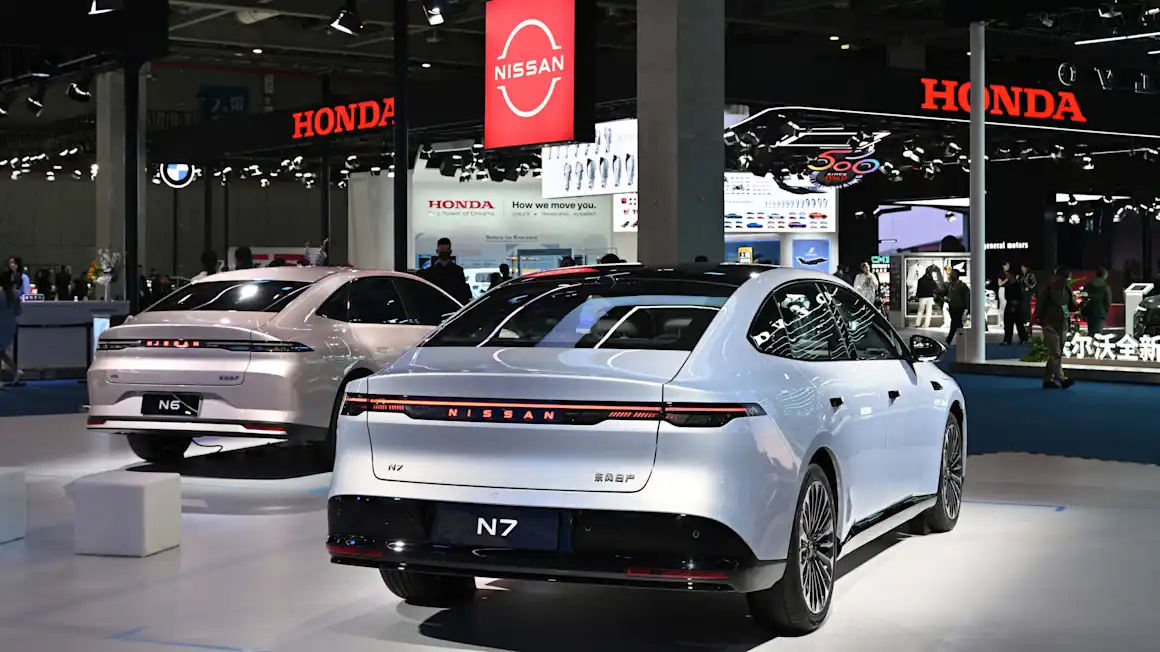
A Sharp Reversal in Market Performance
Nissan Motor Co. has reported a significant deterioration in its sales performance within the Chinese market for the month of October. The automaker confirmed that its sales volume in the region tumbled by 67% compared to the same period last year. This steep decline represents the lowest monthly sales figure the company has recorded since the early stages of the Covid-19 pandemic, signaling a severe disruption in its business operations in the region.
The magnitude of this drop highlights the vulnerability of traditional Japanese automotive manufacturers in an increasingly volatile global market. While the pandemic caused widespread supply chain disruptions and demand shocks globally, the current slump in China appears to be driven by structural shifts in consumer preference and intense domestic competition rather than external health crises or logistical bottlenecks.
China remains the most critical market for global automakers, serving as both a primary sales hub and a key manufacturing base. For Japanese companies like Nissan, the ability to maintain market share in this region has historically been a cornerstone of their global revenue strategy. The current 67% contraction suggests that the company is losing ground rapidly to domestic Chinese brands that have aggressively expanded their electric vehicle (EV) portfolios and localized supply chains.
Broader Implications for the Industry
While the specific data point focuses on Nissan, industry analysts view this trend as indicative of a broader challenge facing Japanese carmakers in China. The Chinese automotive landscape has undergone a radical transformation over the past few years, with local manufacturers such as BYD, Geely, and NIO capturing significant market share through innovation in electrification and smart vehicle technologies. Japanese automakers, often criticized for being slower to adapt to the electric transition, are finding it increasingly difficult to compete on price and technology features.
The 67% drop in October is not an isolated incident but part of a longer-term downward trajectory for many legacy Japanese brands in the country. Previous months have seen double-digit declines, but the acceleration to a two-thirds drop in a single month suggests that the competitive gap is widening. Consumers in China are increasingly prioritizing vehicles with advanced connectivity, autonomous driving features, and lower operating costs, areas where domestic rivals currently hold a distinct advantage.
This performance update may force Nissan and other Japanese manufacturers to reassess their strategic positioning in China. The company may need to accelerate its investment in local partnerships, expand its lineup of electric vehicles, or adjust its pricing strategies to remain relevant. Failure to adapt quickly could result in a permanent loss of market share, as Chinese consumers have shown a willingness to switch brands in favor of those that better meet their evolving needs.
The financial implications for Nissan are substantial. A collapse in sales in such a large market can significantly impact the company's overall profitability and cash flow. Investors and analysts will be closely monitoring subsequent quarterly reports to see if this trend continues or if temporary factors contributed to the October slump. The company’s ability to navigate this crisis will likely influence its global standing and long-term viability in the automotive sector.
Furthermore, the struggles of Japanese automakers in China serve as a cautionary tale for other international companies operating in the region. The Chinese market is no longer just a volume play but a testbed for technological innovation and consumer trends that can ripple out to other global markets. Companies that fail to localize their offerings and respond to the rapid pace of change risk becoming irrelevant in one of the world's most dynamic economic zones.
Looking Ahead
As the automotive industry continues to evolve, the pressure on Japanese manufacturers to innovate and adapt is intensifying. The dramatic sales drop in October provides a clear signal that the status quo is no longer sustainable. Nissan and its peers must demonstrate a credible strategy for regaining consumer trust and market share if they hope to reverse the current decline. The coming months will be critical in determining whether this is a temporary setback or a structural shift that redefines the competitive landscape for Japanese carmakers in China.
Key takeaways
- Nissan’s sales in China fell by 67% in October, the lowest monthly figure since the pandemic began.
- The sharp decline reflects intense competition from domestic Chinese electric vehicle manufacturers.
- Japanese automakers are facing structural challenges in adapting to the rapid shift toward electrification in China.
- This performance highlights the growing vulnerability of legacy carmakers in the world's largest auto market.
- The company may need to accelerate its localization and electrification strategies to remain competitive.