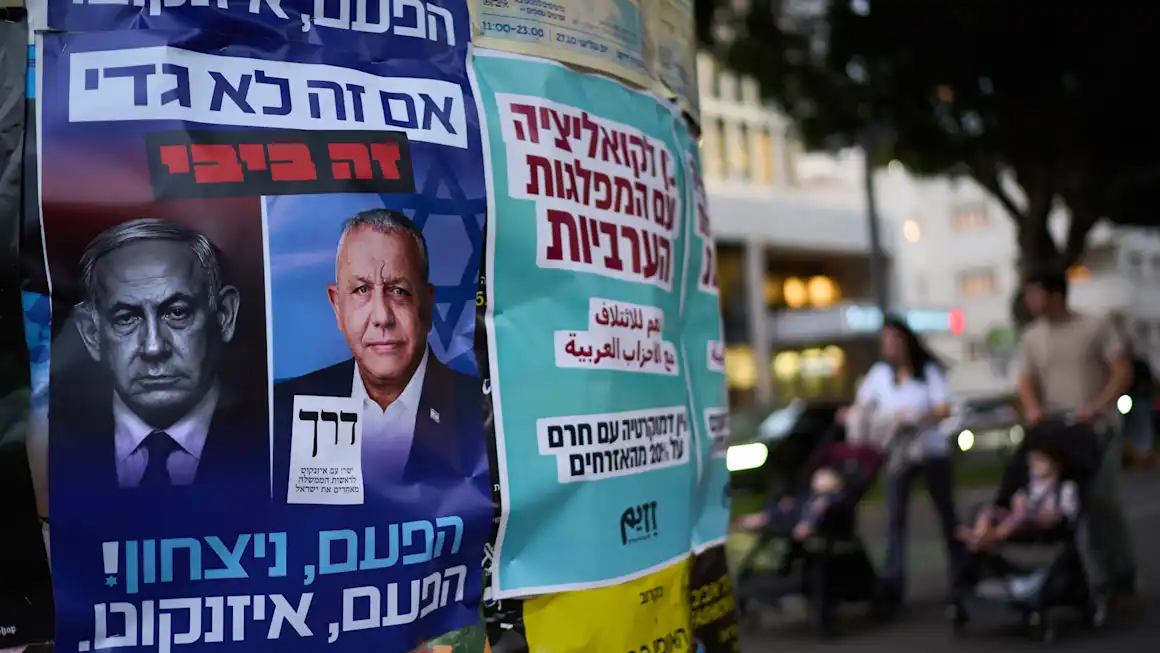
A Nation at a Crossroads
Israelis are casting their ballots in a historic general election that carries profound weight for the country's political and social trajectory. This vote represents the first national election held since the catastrophic events of October 7, 2023, when Hamas-led militants launched a devastating attack on southern Israel. The security failure and subsequent war have fundamentally altered the political landscape, forcing voters to confront questions of leadership, national security, and the future of the ongoing military campaign in Gaza.
The election is characterized by a knife-edge contest between two distinct political blocs. On one side stands Prime Minister Benjamin Netanyahu and his far-right coalition government. On the other is a newly unified opposition bloc that has coalesced in an effort to unseat the long-serving premier. The narrow margin between these factions suggests that the outcome could be determined by a small percentage of votes, highlighting the deep divisions within Israeli society regarding the direction of the state.
Netanyahu's Coalition Under Scrutiny
Prime Minister Benjamin Netanyahu, who has served as Israel's prime minister for the majority of the past two and a half decades, is seeking to retain his position. His coalition, described as far-right, has governed through a complex alliance of parties that include nationalist and religious factions. Supporters argue that his experience and strong stance on security are essential during the current conflict, while critics contend that his political survival has been prioritized over national unity and the handling of the post-October 7 crisis.
The opposition bloc, which has managed to unify various political forces that were previously fragmented, presents a significant challenge to the incumbent. This consolidation reflects a broader sentiment among voters who are dissatisfied with the current government's management of the war and the humanitarian situation in Gaza. The opposition has positioned itself as a viable alternative capable of restoring stability and potentially pursuing different diplomatic and military strategies.
Implications for the War and Domestic Policy
The results of this election will have immediate consequences for the ongoing war in Gaza. A continuation of the current government could mean a continuation of the existing military strategy, while a change in leadership might lead to shifts in how the conflict is prosecuted and how post-war reconstruction and hostage negotiations are handled. The electorate is clearly weighing these strategic differences alongside domestic concerns such as the economy, social cohesion, and the role of religion in state affairs.
Furthermore, the election serves as a referendum on the October 7 attacks themselves. The public has expressed frustration with the intelligence and military failures that allowed the assault to occur. As such, the vote is not merely about choosing a government but also about assigning responsibility for the national trauma and determining the safeguards against future security breaches. The outcome will likely influence Israel's relationship with international allies, particularly the United States, and its long-term security posture.
What Happens Next
Following the vote, the process of forming a new government will begin, a procedure that can be complex and time-consuming in Israel's parliamentary system. If no single party or coalition achieves a majority, negotiations may continue for weeks or even months. The political landscape remains fluid, and the final composition of the Knesset will determine the strength and longevity of the next administration. Observers will be watching closely to see how the various factions align and what policy priorities will define the next term.
Key takeaways
- Israelis are voting in the first general election since the October 7, 2023, Hamas-led attacks.
- The contest is a tight race between Prime Minister Benjamin Netanyahu’s far-right coalition and a unified opposition bloc.
- The election serves as a referendum on the government's handling of the ongoing war in Gaza and the security failures of October 7.
- The outcome will significantly impact Israel's military strategy, hostage negotiations, and domestic policy direction.
- Voters are weighing national security, economic stability, and social cohesion in their decision-making process.





