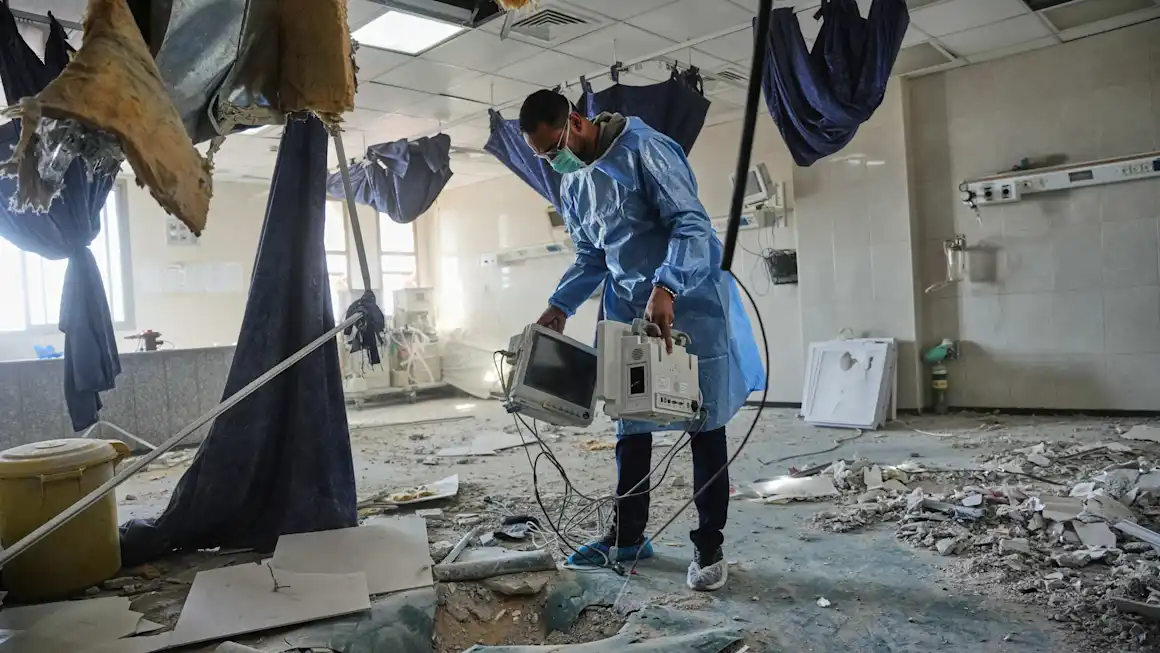
Attack on Nasser Medical Complex
The Nasser Medical Complex, a major healthcare facility in Khan Younis, southern Gaza, has come under fire during what was reported as a ceasefire period. According to initial reports, the strike resulted in the deaths of six individuals. Among the casualties was a doctor, highlighting the vulnerability of medical staff and the critical infrastructure they operate within. The attack has sparked immediate concern regarding the safety of patients who remain hospitalized at the complex.
The incident underscores the fragility of the current truce arrangements. While a ceasefire was intended to reduce hostilities and allow for humanitarian aid delivery, this strike suggests that military operations may still be occurring in specific areas or that coordination mechanisms are failing. The presence of medical personnel and patients makes this location a sensitive site, protected under international humanitarian law, which mandates the protection of hospitals and medical units during armed conflict.
Implications for Ceasefire and Humanitarian Aid
The killing of a doctor and patients at Nasser Medical Complex is a significant development in the ongoing conflict. It raises serious questions about the adherence to ceasefire terms by all parties involved. The complex has long served as a critical hub for medical care in southern Gaza, often operating under extreme duress due to resource shortages and previous attacks. The loss of medical staff not only reduces the capacity for care but also demoralizes the remaining workforce.
International observers and humanitarian organizations are closely monitoring the situation. The strike may lead to increased scrutiny of the ceasefire's implementation and could impact future negotiations. Aid groups have repeatedly warned that the destruction of medical infrastructure exacerbates the humanitarian crisis, leaving thousands without access to essential healthcare services. The incident at Nasser Medical Complex adds to a growing list of violations that threaten the stability of the region.
Local sources indicate that the area around the hospital was targeted, though details regarding the specific military objectives of the strike remain unclear. It is not immediately known if the strike was a result of a targeted operation against specific individuals or a broader military maneuver. The ambiguity surrounding the cause of the attack complicates efforts to assign responsibility or determine if it was an accident or a deliberate action.
What Happens Next
In the wake of the strike, calls for an independent investigation are likely to intensify. International bodies such as the United Nations and the International Committee of the Red Cross may demand access to the site to assess the damage and verify the circumstances of the deaths. The outcome of such an investigation could have significant diplomatic repercussions, potentially leading to further sanctions or changes in international support.
For the local population, the attack reinforces fears that no place is truly safe, even within designated humanitarian zones. This perception can hinder efforts to encourage civilians to seek shelter or medical care, further complicating the humanitarian response. The stability of the ceasefire is now more uncertain, with both sides potentially accusing each other of provocation or failure to uphold agreements.
As tensions remain high, the international community is expected to ramp up diplomatic efforts to enforce the ceasefire and ensure the protection of civilian infrastructure. However, the recurrence of violence at a medical facility suggests that existing mechanisms may be insufficient. The focus will now shift to determining the exact sequence of events that led to the strike and whether accountability measures will be taken.
Key takeaways
- At least six people were killed in an Israeli strike on the Nasser Medical Complex.
- Casualties included a doctor and patients, highlighting the vulnerability of medical staff.
- The attack occurred despite claims of an ongoing ceasefire, raising concerns about its stability.
- International observers are likely to demand an investigation into the circumstances of the strike.
- The incident exacerbates the humanitarian crisis in southern Gaza by damaging critical healthcare infrastructure.





