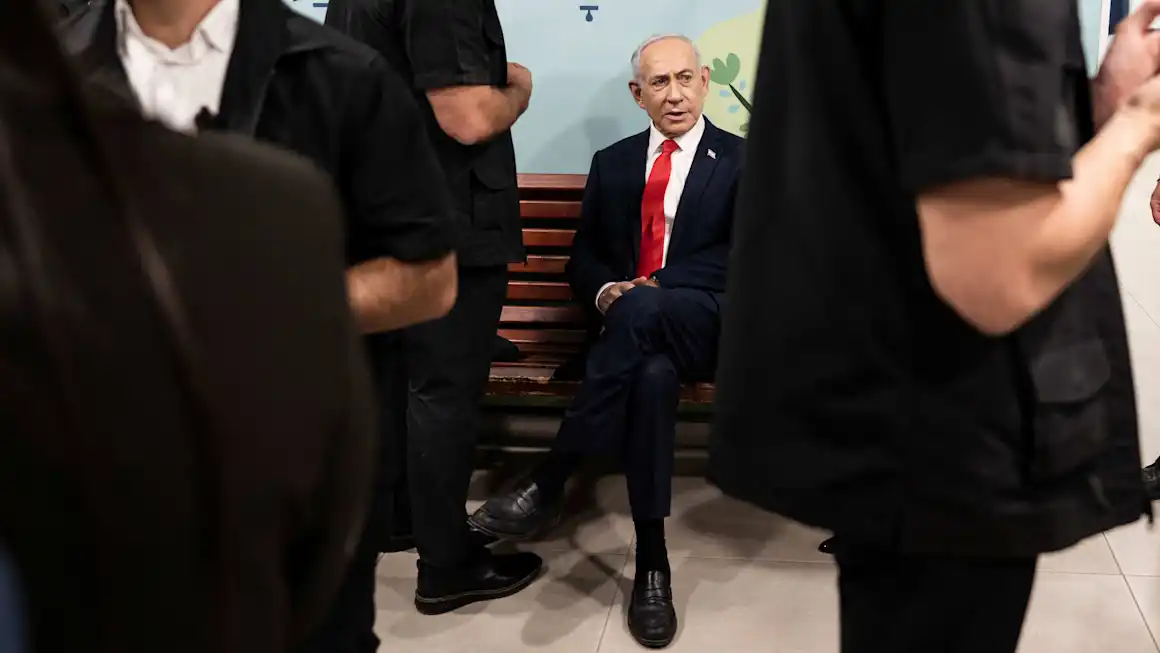
The Resilience of a Political Survivor
Benjamin Netanyahu has long been characterized by his ability to navigate the turbulent waters of Israeli politics, a trait that has earned him the moniker of a political survivor. Despite the significant strategic failures associated with the October 7 attacks, the Prime Minister retains a viable chance at securing a fresh term in office. This resilience underscores his deep entrenchment in the political machinery and his capacity to adapt to shifting public sentiments and coalition dynamics even in the wake of a national security crisis.
The October 7 events marked a profound shock to the Israeli state, challenging the government's security apparatus and leadership credibility. In the aftermath, many observers anticipated a significant shift in the political landscape, potentially leading to early elections or a collapse of the current coalition. However, Netanyahu’s continued presence at the helm suggests that the political establishment and a substantial portion of the electorate remain aligned with his leadership style or view him as the necessary figure to manage the ongoing crisis.
Coalition Dynamics and Electoral Strategy
The structure of Israel’s political system, which relies on proportional representation and coalition building, plays a crucial role in Netanyahu’s survival. His ability to maintain the support of key coalition partners, including far-right and religious parties, has been instrumental in keeping his government intact. These partners often share ideological alignments with Netanyahu on security and judicial matters, creating a fragile but functional alliance that has withstood the pressure of the post-October 7 environment.
Analysts note that the political discourse has shifted significantly toward national security and unity in the wake of the attacks. This shift has benefited Netanyahu, who has positioned himself as the central figure in Israel’s defense strategy. By emphasizing his experience and long-standing role in security matters, he has managed to counter criticism regarding the intelligence and military failures of October 7. The narrative of wartime leadership has provided a buffer against calls for his resignation, allowing him to consolidate political support among voters who prioritize stability and security over political accountability.
Furthermore, the opposition’s ability to present a cohesive alternative has been limited, partly due to internal divisions and the difficulty of mounting a campaign during an active conflict. This vacuum has left Netanyahu with fewer immediate political threats, enabling him to focus on his re-election bid. The strategic timing of elections, often delayed during periods of national emergency, has also worked in his favor, allowing the current government more time to shape the public narrative and prepare for future electoral contests.
Public Sentiment and Future Implications
Public opinion in Israel remains deeply divided, with varying degrees of support for Netanyahu’s handling of the war and the post-crisis reconstruction. While some segments of the population demand accountability and changes in leadership, others view him as essential for maintaining national cohesion. This polarization complicates the political calculus, as any move to remove him could destabilize the coalition and the country further. Consequently, Netanyahu’s political survival is not just a matter of electoral popularity but also of balancing competing interests within a fractured society.
The long-term implications of the October 7 failures on Netanyahu’s political career remain uncertain. While his current position appears secure, the ongoing conflict and its economic and social costs could erode support over time. The outcome will likely depend on the trajectory of the war, the success of diplomatic efforts, and the government’s ability to address the underlying security failures. As Israel navigates this critical period, Netanyahu’s political fate will be closely watched as a barometer of the nation’s broader political and security health.
Key takeaways
- Benjamin Netanyahu retains a chance at a fresh term despite the failures of October 7.
- He is described as a political survivor with a history of retaining power amid crises.
- The coalition dynamics and shift toward security-focused discourse have aided his survival.
- Opposition fragmentation and wartime conditions have limited immediate political challenges.
- Public opinion remains polarized, complicating the path to political accountability or renewal.





