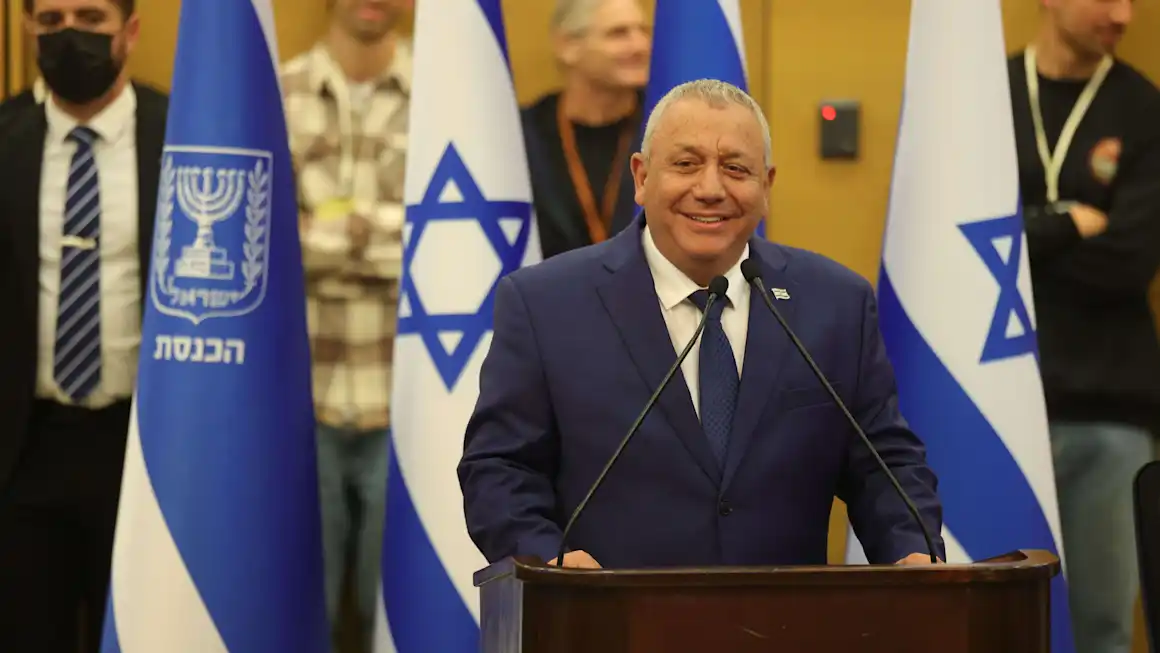
Strategic Coalition Building
The political landscape in Israel is undergoing a significant transformation as opposition leader Benny Eisenkot accelerates efforts to unseat Prime Minister Benjamin Netanyahu. Central to this strategy are newly forged alliances with two distinct political parties, a move that signals a calculated push to consolidate enough parliamentary support to trigger a change in government. These developments highlight the increasing fragmentation of the Israeli political scene and the growing determination among opposition figures to challenge the long-standing premiership of Netanyahu.
Eisenkot's approach involves navigating the complex web of Israeli coalition politics, where small shifts in party alignment can have outsized effects on government stability. By securing agreements with two separate factions, the opposition leader is attempting to build a viable alternative to the current ruling coalition. This tactic underscores the delicate balance required to form a government in a system where no single party typically holds a majority, necessitating broad and often uneasy partnerships.
The deals with these two parties represent more than simple political courting; they are structural steps toward a potential regime change. The opposition's ability to lock in support from multiple groups suggests a growing consensus that the current leadership may be vulnerable to replacement. This development is being closely watched by political analysts who view the current period as a critical juncture for the future direction of Israeli governance and policy.
Implications for the Current Government
The moves by Eisenkot place immediate pressure on Prime Minister Netanyahu's administration. The prospect of a successful ouster introduces uncertainty into the current legislative agenda, potentially slowing down decision-making processes as the government braces for possible elections or a no-confidence vote. Netanyahu's camp is likely to respond by reinforcing their own alliances, leading to a period of intensified political maneuvering and negotiation.
Analysts suggest that the success of Eisenkot's strategy hinges on the durability of these new partnerships. Political alliances in Israel are often fragile, subject to internal party dynamics and shifting public opinion. The two parties involved in the deals with Eisenkot will need to maintain their commitment despite potential pressures from the current government, which may employ various tactics to dissuade defections or rally its base.
The broader implication of these developments is a potential realignment of power within the Knesset. If the opposition can sustain its coalition, it could lead to a significant shift in policy priorities, particularly in areas such as judicial reform, security strategy, and economic management. The coming weeks will be crucial in determining whether these early steps translate into a concrete plan for government formation or if the alliances falter under political strain.
What Happens Next
As the political situation evolves, the focus will remain on the ability of Eisenkot and his partners to maintain their united front. The next phase of this political drama will likely involve public statements, media campaigns, and behind-the-scenes negotiations aimed at securing additional support or neutralizing the current government's counter-strategies. The outcome of these efforts will define the immediate future of Israeli politics.
Observers are also looking at how international partners will react to the potential change in leadership. While foreign governments typically maintain relationships across political lines, a shift from Netanyahu to Eisenkot could influence diplomatic tones and policy approaches, particularly regarding regional security and economic cooperation. The international community is likely to monitor the situation closely, awaiting clarity on the stability of the new potential coalition.
Ultimately, the steps taken by Eisenkot represent a significant challenge to the status quo. Whether these moves result in the ouster of Netanyahu or serve as a bargaining chip for future negotiations remains to be seen. The political arena in Israel is currently characterized by high stakes and rapid developments, with the potential for a dramatic reshaping of the government on the horizon.
Key takeaways
- Opposition leader Benny Eisenkot is advancing plans to oust Prime Minister Benjamin Netanyahu.
- Eisenkot has secured deals with two political parties to build a coalition against the current government.
- These moves signal a strategic effort to consolidate parliamentary support for regime change.
- The developments introduce uncertainty into the current legislative agenda and government stability.
- Political analysts view this as a critical period for the future direction of Israeli governance.





