Directives to Military Commanders
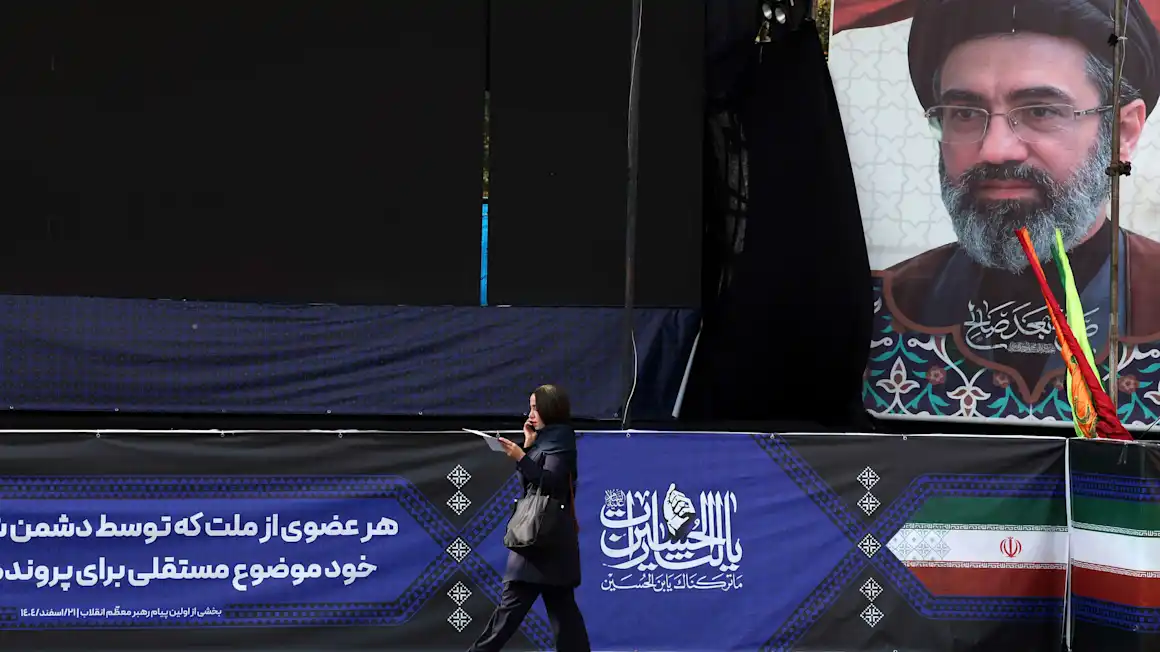
Ayatollah Khamenei, the Supreme Leader of Iran, has issued a direct and urgent directive to Iranian military commanders, signaling a significant escalation in rhetorical tensions with Western powers. In a communication aimed at the nation's armed forces, Khamenei stated that any attack on Iran would be met with an "immediate" response. This instruction underscores the regime's commitment to a doctrine of swift and decisive retaliation, aiming to deter potential adversaries from initiating hostilities.
The timing of these orders appears closely linked to growing intelligence reports and diplomatic concerns regarding a potential joint military operation by the United States and Israel. Iranian leadership is apparently preparing its military apparatus for the possibility of a coordinated airstrike, emphasizing that the window for diplomatic de-escalation is narrowing rapidly. The command structure has been alerted to maintain high readiness levels as the geopolitical situation remains volatile.
Qatar's Mediation Efforts
Amidst the heightened military posture, diplomatic channels remain active, with mediators from Qatar stepping in to avert a feared conflict. Qatari officials are currently engaged in intensive negotiations, seeking to bridge the widening gap between Tehran and the US-Israeli alliance. The primary objective of these mediation efforts is to prevent a bombing campaign that analysts believe could trigger a broader regional war.
Qatar has historically served as a key intermediary in Middle Eastern conflicts, leveraging its relationships with both Western governments and Iranian leadership. The current push by Qatari mediators highlights the international community's apprehension regarding the potential consequences of a direct military strike. Diplomatic sources suggest that the focus is on establishing clear red lines and communication protocols that might prevent miscalculation or accidental escalation.
Ayatollah Khamenei tells military commanders response will be ‘immediate’ as Qatari mediators seek to avert a feared US-Israeli bombing campaign
The threat of retaliation without "geographical limitations," as warned by Iranian officials, suggests that any conflict would not be confined to bilateral borders. This statement implies that Iran could target military assets, infrastructure, or interests across a wide geographic area, potentially involving allied nations in the region. Such a declaration raises the stakes significantly, as it introduces the risk of a multi-front conflict that could disrupt global energy supplies and security architectures.
The international community is closely monitoring these developments, with various nations calling for restraint and dialogue. The fear of a bombing campaign is not merely speculative; it is based on ongoing strategic assessments by military experts who note the increasing frequency of joint exercises and intelligence sharing between the US and Israel. These activities are viewed by Tehran as preparatory steps for potential offensive operations.
Implications for Regional Stability
The combination of military preparedness and high-level diplomatic intervention creates a precarious environment. While the Iranian military is being instructed to respond immediately to any attack, the diplomatic track remains the primary avenue for de-escalation. The success of Qatari mediation will likely determine whether the region moves toward conflict or finds a path to reduced tensions.
Investors and global markets are watching these developments with caution, as any outbreak of hostilities could have profound economic implications. The potential disruption to oil flows through the Strait of Hormuz, a critical chokepoint for global energy trade, is a major concern for economists and policymakers alike. The stability of the region is inextricably linked to global economic health, making these diplomatic efforts of international significance.
Key takeaways
- Iranian Supreme Leader Ayatollah Khamenei has ordered military commanders to prepare for an immediate retaliation if the country is attacked.
- Iran has warned that any future retaliation will have no geographical limitations, raising fears of a broader regional conflict.
- Qatari mediators are actively seeking to avert a feared US-Israeli bombing campaign through urgent diplomatic negotiations.
- The situation reflects a critical juncture where military posturing and diplomatic efforts are running in parallel to prevent escalation.





