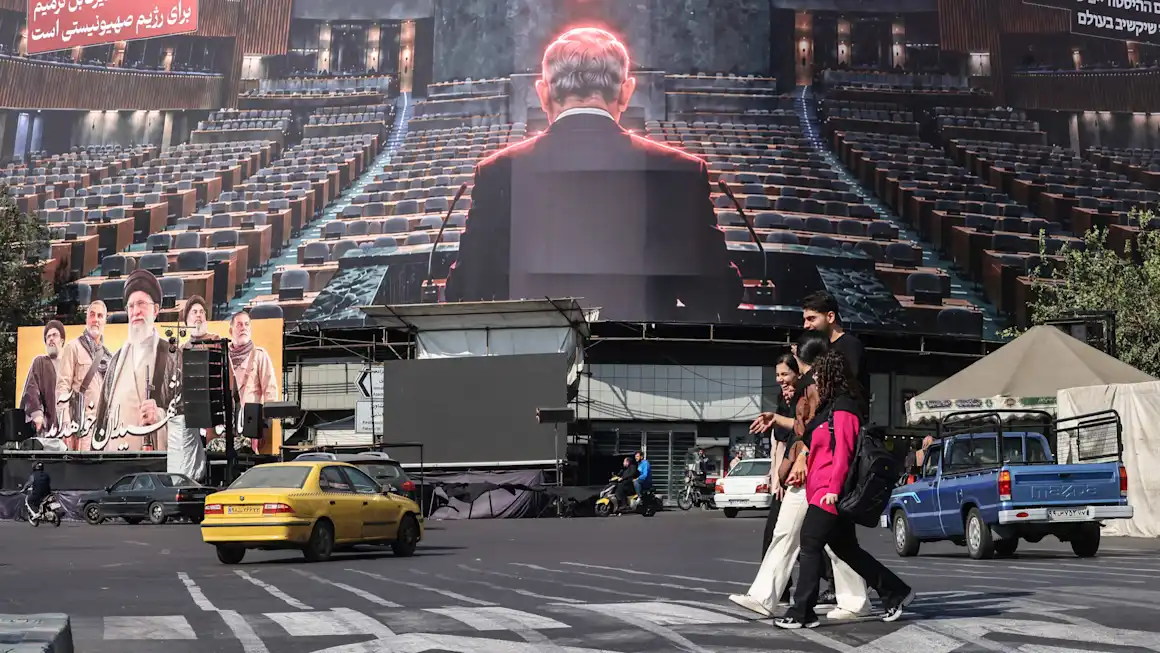
High-Level Security Dialogue in Tehran
Senior security officials from Saudi Arabia, Pakistan, and Turkey are scheduled to meet with their Iranian counterparts in Tehran on Monday. This high-level diplomatic engagement marks a significant moment for regional security coordination, as key players in the Middle East and South Asia converge to address growing tensions. The meeting underscores a collective effort to stabilize the region through direct dialogue rather than military posturing.
The participation of these three nations highlights the interconnected nature of regional security concerns. Saudi Arabia, Pakistan, and Turkey are all major regional powers with significant influence over local conflicts and economic stability. Their joint appearance in Tehran signals a potential shift towards multilateral cooperation on security issues, moving away from the isolated bilateral approaches that have characterized much of recent diplomatic history in the area.
Focus on De-escalation
The primary objective of the talks is to prevent renewed escalation in the region. With various flashpoints of conflict active or simmering across the Middle East, the urgency for a coordinated diplomatic response has never been higher. The officials are expected to discuss mechanisms for conflict resolution, intelligence sharing, and strategies to contain violent extremism that threatens cross-border stability.
Analysts suggest that the timing of these meetings is critical. As geopolitical tensions fluctuate, the ability of major regional powers to communicate effectively can serve as a buffer against accidental conflicts or miscalculations. The Iranian host nation is positioning itself as a central node in this security network, leveraging its geographical and political position to facilitate dialogue between often rivalrous neighbors.
Pakistan’s involvement adds a crucial dimension to the talks, given its shared border with Iran and its strategic importance in South Asian security dynamics. Turkey’s participation further broadens the scope of the dialogue, bringing in perspectives from the NATO alliance and the broader Mediterranean region. This triangulation of security interests suggests a comprehensive approach to regional stability that acknowledges the diverse threats facing each nation.
Implications for Regional Stability
The outcomes of these discussions could have far-reaching implications for international trade, energy security, and diplomatic relations. Any agreement reached on de-escalation measures could lead to a more predictable environment for investment and commerce in the region. Conversely, a failure to reach consensus could exacerbate existing tensions and lead to further instability.
Observers will be watching closely for any joint statements or declarations that emerge from the meetings. The language used and the specific areas of agreement or disagreement will provide insight into the current state of relations between Iran and its neighbors. While the meeting itself is a step towards dialogue, the substantive outcomes will determine its long-term impact on regional security architecture.
Key takeaways
- Senior security officials from Saudi Arabia, Pakistan, and Turkey are meeting Iranian counterparts in Tehran on Monday.
- The primary goal of the talks is to discuss diplomatic measures to prevent renewed escalation in the region.
- The gathering represents a significant moment for multilateral security coordination among key regional powers.
- Pakistan and Turkey’s participation highlights the interconnected nature of security concerns in the Middle East and South Asia.





