Incident Details and Tactical Shift
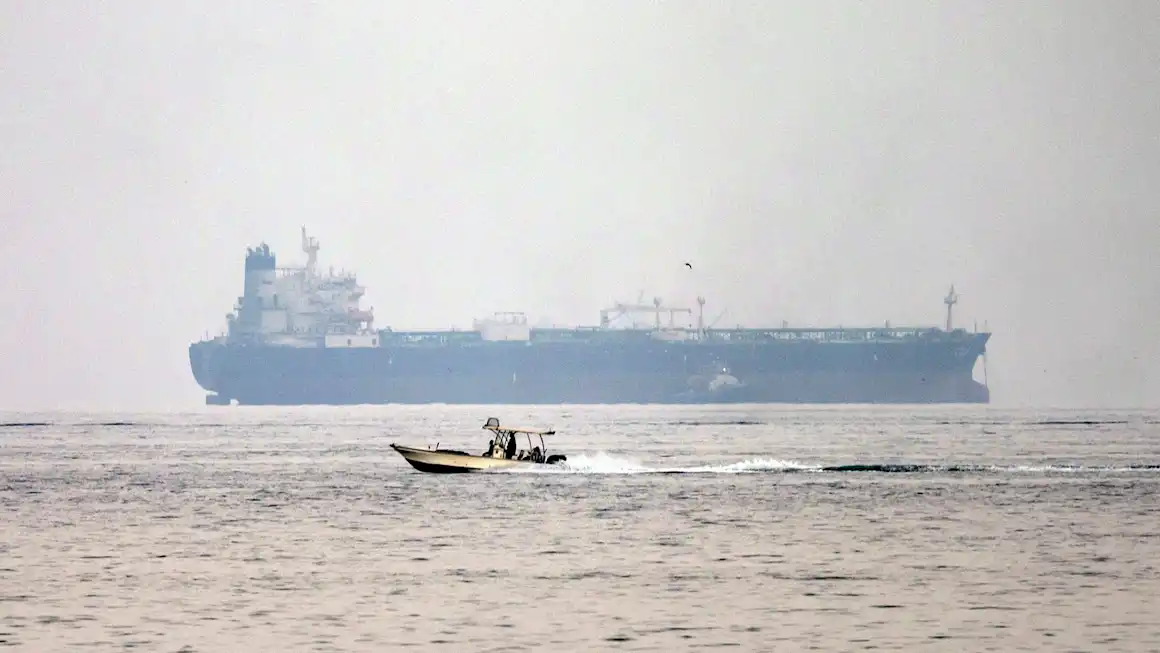
A significant maritime security breach has occurred in the Strait of Hormuz, one of the world's most vital oil shipping chokepoints. Reports confirm that a tanker was struck by limpet mines on Thursday, marking the first such incident since 2019. The attack involved attackers utilizing speedboats to approach the vessel and attach the explosive devices, a method that highlights a return to asymmetric naval warfare tactics in the region.
The use of limpet mines represents a distinct tactical shift for the actors involved. Unlike missile strikes or drone attacks which often draw immediate international condemnation and military response, limpet mine attacks are typically harder to attribute definitively in the immediate aftermath and can be conducted with lower-profile assets. This method allows for damage to critical infrastructure without necessarily triggering a full-scale military escalation, although the intent to disrupt supply chains remains clear.
Ship damage was confirmed following the incident on Thursday. While specific details regarding the extent of the structural damage or the cargo status remain under preliminary assessment, the mere fact of a breach in the hull of a commercial tanker in such a congested waterway is a serious event. The Strait of Hormuz handles approximately 20% of the world's total petroleum consumption, making any disruption to traffic a matter of global economic concern.
Regional Context and Historical Precedent
This event is the first of its kind since 2019, a year that saw heightened tensions in the Persian Gulf. The recurrence of such tactics suggests a renewed willingness to employ direct physical sabotage against commercial shipping. Analysts note that the gap between previous incidents and this one indicates a potential evolution in strategy, possibly aimed at testing international response mechanisms or asserting dominance in local waters without crossing thresholds that invite direct military intervention.
Industry observers are closely monitoring the situation for any broader implications on shipping insurance rates and route planning. The Strait of Hormuz is a narrow passage, and the threat of underwater or close-proximity attacks forces vessels to alter their operational procedures. Security protocols for tankers transiting the region are likely to be reviewed and potentially tightened in the coming weeks as insurers and shipping companies assess the new risk profile.
Market and Geopolitical Implications
The incident underscores the persistent vulnerability of global energy supply lines to regional conflicts. While the immediate impact on global oil prices may be limited if the vessel is able to continue its journey or is repaired quickly, the psychological impact on market participants is significant. Uncertainty in key shipping lanes often leads to risk premiums being added to energy commodities, affecting costs for consumers and industries worldwide.
International maritime security forces are expected to increase patrols in the area. The involvement of speedboats suggests a localized, agile group rather than a state navy, but the strategic value of the target implies high-level coordination or at least awareness. The response from regional governments and international coalitions will be critical in determining whether this is an isolated incident or the precursor to a series of disruptions.
What Happens Next
As investigations proceed, the focus will be on identifying the perpetrators and assessing the long-term security measures required for the strait. The incident serves as a stark reminder that despite technological advancements in maritime defense, small-scale, low-tech attacks remain a viable threat to global commerce. The coming days will likely see increased diplomatic chatter regarding freedom of navigation and the safety of international waterways.
Key takeaways
- A tanker was damaged by limpet mines in the Strait of Hormuz on Thursday, the first such incident since 2019.
- Attackers utilized speedboats to approach and attach the mines, indicating a shift toward asymmetric naval tactics.
- The Strait of Hormuz handles approximately 20% of global petroleum consumption, making the incident geopolitically significant.
- Shipping insurance rates and security protocols for vessels in the region are likely to be reviewed and adjusted.
- The incident highlights the persistent vulnerability of global energy supply chains to localized maritime threats.





