Diplomatic Push Intensifies
Regional mediators, with Qatar taking the lead role, have significantly escalated their diplomatic initiatives aimed at brokering an interim agreement between the United States and Iran. This renewed push for dialogue comes amid heightened tensions and signals a concerted international effort to stabilize the region. The negotiations are focused on establishing a framework that could temporarily ease hostilities and create a pathway for broader, long-term stability in the Middle East.
The involvement of Qatar as the primary mediator highlights the kingdom's longstanding role in facilitating backchannel communications between major global powers. Doha has historically served as a neutral ground for sensitive geopolitical discussions, leveraging its relationships with both Western nations and regional actors. The current push for an interim deal suggests that both Washington and Tehran may be open to de-escalation, although significant hurdles remain in the negotiation process.
Iranian Reaction to US Election
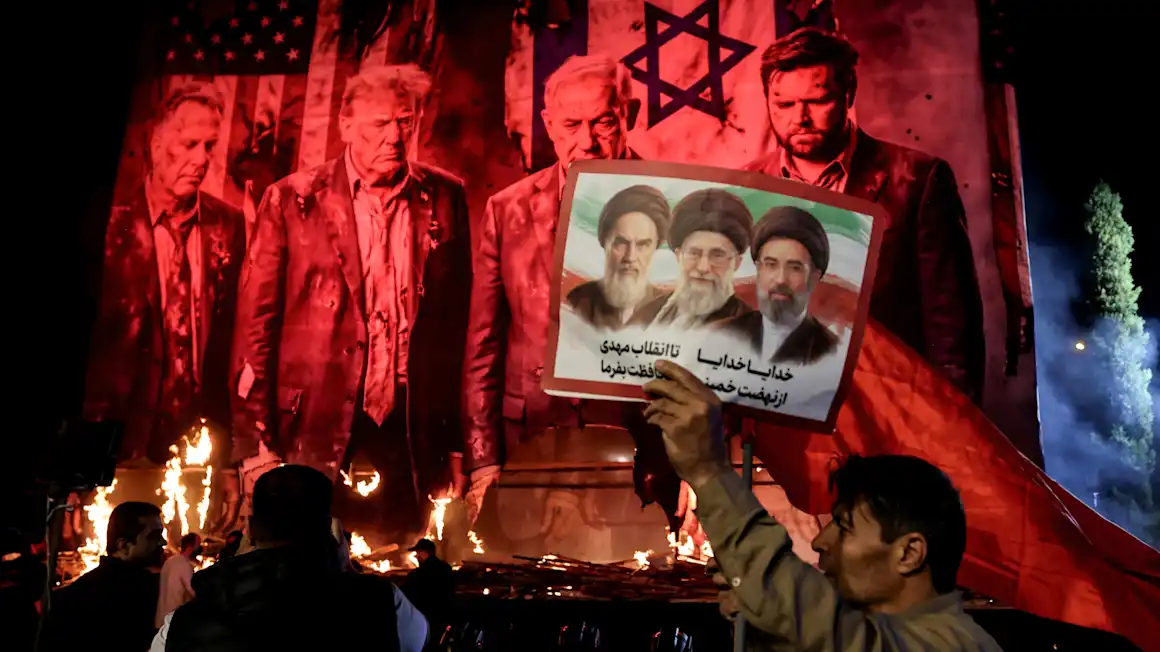
In Tehran, the recent election results in the United States have been met with public celebration. Iranian officials and citizens have viewed the defeat of Donald Trump as a significant political victory, interpreting it as a shift in the US approach to the Middle East. The election outcome is seen by many in Iran as an opportunity to reduce the pressure exerted by previous US administrations and to negotiate from a position of relative strength.
Public sentiment in Iran appears to favor a diplomatic resolution to the ongoing conflict, with many viewing the change in US leadership as a catalyst for potential peace talks. The celebration of Trump's electoral defeat underscores the deep political divide in the United States and its impact on international relations. For Tehran, the election results may provide a window of opportunity to engage in discussions that were previously considered off the table under the previous administration.
A Shift in Regional Dynamics
The interplay between the US election outcome and the ongoing efforts by regional mediators creates a complex geopolitical landscape. As Qatar and other intermediaries work to bridge the gap between Washington and Tehran, the political climate in both countries will play a crucial role in determining the success of these negotiations. The interim agreement being sought is not merely a cessation of hostilities but a potential precursor to more comprehensive diplomatic engagements.
Observers note that the success of these mediation efforts will depend on the willingness of both sides to compromise and engage in good faith. The interim deal could serve as a test case for future cooperation, with implications extending beyond the immediate conflict to broader regional security concerns. The media in Iran has largely focused on the political implications of the US election, framing it as a moment of relief and potential opportunity for diplomatic breakthroughs.
What Happens Next
The immediate future of these negotiations remains uncertain, as both sides navigate domestic political pressures and regional alliances. The role of Qatar and other mediators will be critical in maintaining momentum and ensuring that discussions remain focused on de-escalation. The interim agreement, if reached, could set a precedent for how the US and Iran manage their differences in the coming years.
Key stakeholders will be watching closely to see if the current diplomatic push translates into tangible results. The success or failure of these talks could influence the political landscape in both the United States and Iran, as well as the broader Middle East. As mediators continue their efforts, the international community remains hopeful that a durable peace can be achieved through dialogue and mutual understanding.
Key takeaways
- Regional negotiators led by Qatar are intensifying efforts to broker an interim agreement between Washington and Tehran.
- Iran has publicly celebrated the election defeat of Donald Trump, viewing it as a potential opportunity for de-escalation.
- The mediation efforts focus on establishing a temporary framework to end the ongoing war and reduce regional tensions.
- Qatar's role as a primary mediator highlights its strategic importance in facilitating US-Iranian dialogue.
- The success of the interim deal depends on the willingness of both nations to engage in good faith negotiations.





