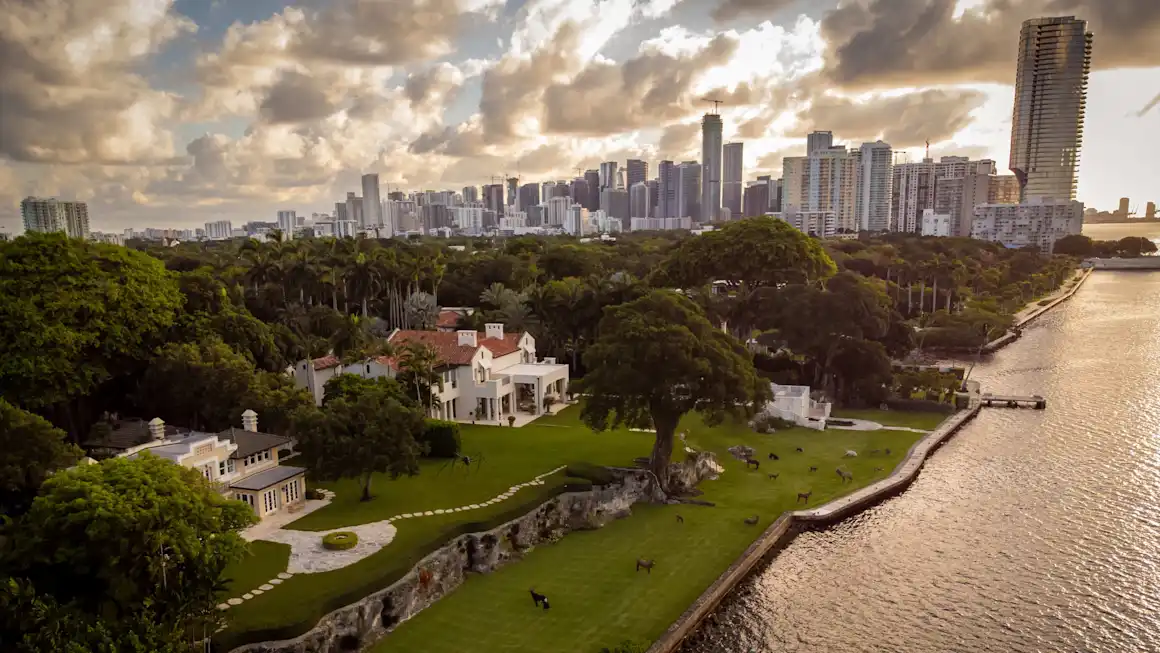
A Strategic Investment in Miami
The billionaire financial magnate has initiated a massive expansion of his footprint in Miami, marking a significant shift in the city's real estate and cultural landscape. Griffin, the founder and CEO of Citadel, has committed substantial capital to acquire and develop high-profile properties, signaling a long-term commitment to the Florida market. This move is not merely about real estate accumulation but represents a strategic effort to mold the city according to his vision, utilizing the immense influence that comes with his financial stature.
Recent reports indicate that Griffin's investment strategy extends beyond traditional commercial assets. He has been actively acquiring luxury residential units and commercial spaces, often in bulk, which allows him to influence property values and development trends. This approach has drawn attention from local officials and competitors alike, as Griffin's presence brings both prestige and intense scrutiny to the areas he targets. The scale of his investments, estimated in the billions, underscores the growing confidence of major financial institutions in Miami's economic resilience and growth potential.
One of the most notable aspects of Griffin's Miami expansion is his focus on cultural and institutional assets. By investing in venues, arts organizations, and educational initiatives, he aims to enhance the city's appeal to high-net-worth individuals and top-tier talent. This strategy aligns with broader trends in urban development, where financial leaders seek to create ecosystems that attract and retain elite professionals. The implication is that Griffin is not just buying property but building a legacy that will define Miami's identity for decades to come.
Clout and Influence in Florida
Griffin's ability to effect change in Miami is amplified by his status as one of the world's most successful hedge fund managers. His firm, Citadel, generates billions in annual revenue, providing him with the resources to negotiate favorable terms and influence policy discussions. Local leaders have acknowledged his impact, recognizing that his investments can drive economic activity and job creation. However, this influence also raises questions about the concentration of power in the hands of a few financial elites and its effect on housing affordability and urban planning.
The billionaire's efforts have been met with mixed reactions from the community. While some praise his contributions to the city's revitalization and cultural scene, others express concern about the potential for gentrification and the displacement of long-time residents. The debate highlights the complex dynamics of rapid urban growth, where economic benefits must be balanced against social equity. Griffin's team has remained largely silent on these issues, focusing instead on the tangible outcomes of their investments, such as new construction projects and community partnerships.
Despite the controversies, Griffin's influence in Florida appears to be growing. His investments have attracted other high-profile investors and developers, creating a ripple effect that boosts the overall market. This influx of capital has led to a surge in construction activity, with numerous high-rise projects breaking ground across the city. The result is a transformed skyline that reflects Griffin's aesthetic preferences and his belief in Miami's future as a global financial and cultural hub.
What Happens Next
As Griffin continues to expand his portfolio, the focus will likely shift to the execution of his long-term plans. Developers and city planners will need to adapt to the changing landscape, ensuring that growth is sustainable and inclusive. The coming years will test the city's infrastructure and governance, as it grapples with the demands of a booming population and a rapidly evolving economy. Griffin's role in this transformation will remain central, with his decisions shaping the trajectory of Miami's development.
Observers note that Griffin's strategy could serve as a model for other financial leaders looking to establish a presence in emerging markets. His ability to leverage capital for both financial gain and cultural influence sets a precedent for how wealth can be used to shape urban environments. However, the success of this model depends on the city's ability to manage the side effects of such concentrated investment, including rising costs and social stratification.
The narrative of Ken Griffin's Miami takeover is still unfolding, with each new acquisition and development project adding a chapter to the story. As the billionaire continues to mold his ideal city, the world will be watching to see how his vision impacts one of America's most dynamic urban centers. The interplay between his financial power and Miami's organic growth will define the city's character in the years ahead, making this a critical period for all stakeholders involved.
Key takeaways
- Ken Griffin is investing billions to acquire and develop properties in Miami.
- The billionaire aims to reshape the city's cultural and real estate landscape.
- Griffin's financial clout gives him significant influence over local development trends.
- His investments have sparked debates about gentrification and housing affordability.
- Other high-profile investors are following Griffin's lead, boosting the market.





