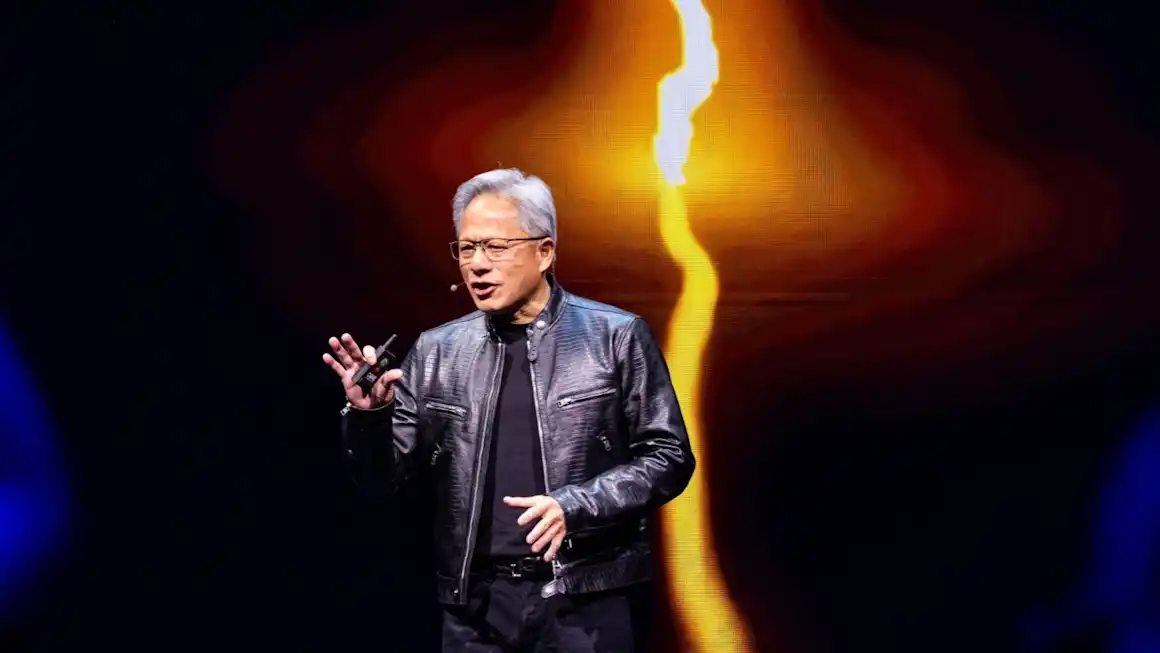
The Leadership Transition
Nvidia has officially confirmed the return of Jensen Huang to a pivotal executive role within the company's leadership structure. This strategic personnel move marks a significant shift in the semiconductor giant's internal management dynamics. The decision underscores the critical nature of Huang's expertise in navigating the company's current operational landscape. Industry observers note that the appointment was not merely a ceremonial gesture but a functional necessity driven by recent corporate developments.
Contextualizing the Return
The recruitment of Huang follows a period of internal challenges that have tested the resilience of Nvidia's organizational framework. Reports indicate that the company faced specific operational hurdles that required immediate and specialized attention. The phrase 'left the company with no other options' highlights the scarcity of suitable internal candidates or alternative strategies at the time of the decision. This scarcity of alternatives forced the board and senior management to reconsider the role of key leadership figures.
Recent corporate history suggests that certain initiatives or management decisions led to outcomes that necessitated a change in direction. The term 'failures' in the context of the recruitment narrative likely refers to specific project missteps or strategic pivots that did not yield the anticipated results. These outcomes created a vacuum in leadership capability that only a figure with Huang's specific skill set could fill. The company's reliance on his return suggests a high degree of confidence in his ability to rectify these issues.
Implications for Corporate Governance
Nvidia's decision to re-engage Huang speaks volumes about the company's governance priorities. It indicates a willingness to prioritize operational stability and strategic correction over rigid adherence to previous personnel structures. This move may signal a broader trend in the tech industry where founders or key executives are called back to steer companies through turbulent periods. The situation at Nvidia serves as a case study in the flexibility required by large-cap technology firms to maintain market position.
The return of Huang is expected to impact various aspects of Nvidia's operations, from research and development to strategic partnerships. Stakeholders will be closely watching how his reintegration affects the company's trajectory. The immediate focus is likely on stabilizing ongoing projects and addressing the root causes of the previously mentioned 'failures.' The success of this leadership adjustment will be measured by its ability to restore confidence among investors and employees alike.
Market and Industry Reaction
Investors and industry analysts are monitoring the situation with keen interest. The move is viewed as a proactive step by Nvidia to address internal weaknesses before they escalate into larger crises. While the specific details of the 'failures' remain largely within the corporate domain, the broader implication is a recognition that exceptional talent is required to overcome significant organizational challenges. The market response will depend on the perceived effectiveness of Huang's leadership in the coming months.
As Nvidia moves forward, the focus will be on execution and results. The return of Huang is a strong signal of the company's commitment to resolving its current issues. Whether this leadership change will lead to sustained improvement remains to be seen. However, the decision itself highlights the critical role that key individuals play in the success of technology enterprises. The coming quarters will provide clarity on the impact of this strategic personnel decision.
Key takeaways
- Nvidia has officially brought back Jensen Huang to address internal leadership challenges.
- The company's decision was driven by a lack of viable alternative options.
- Recent operational 'failures' necessitated a strategic change in management structure.
- The move reflects a pragmatic approach to corporate governance and crisis management.
- Stakeholders are closely monitoring the impact of this leadership transition.





