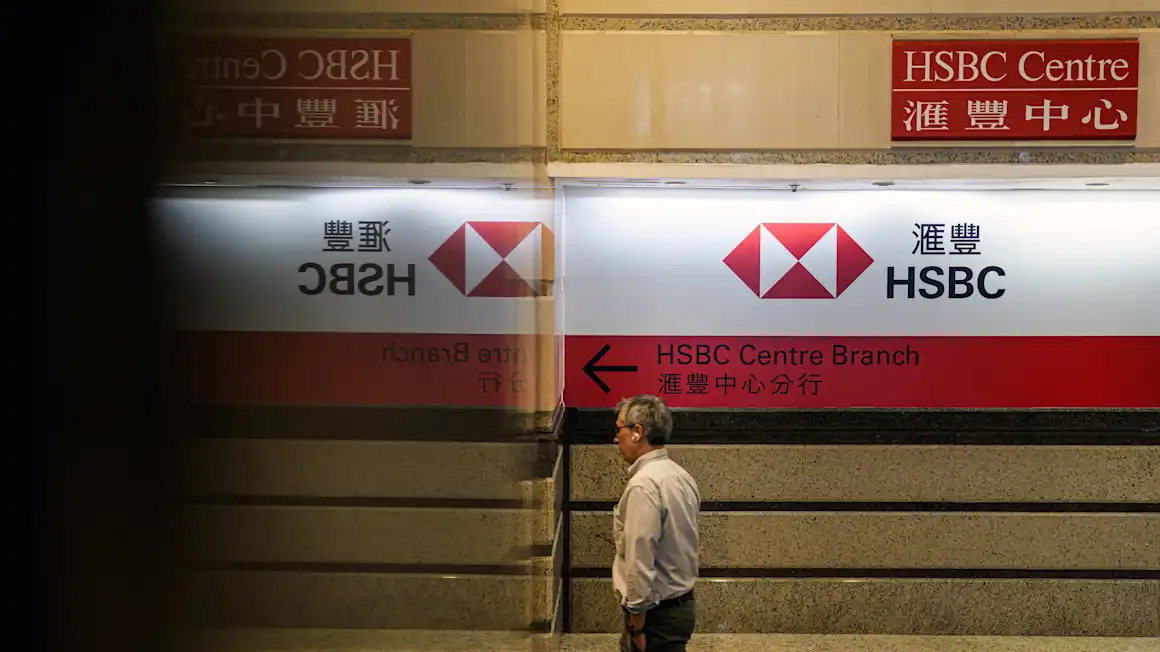
Profit Surge Meets Market Skepticism
Shares of HSBC Holdings fell on the market despite the global banking giant reporting a significant jump in quarterly profits. The decline highlights a growing divergence between reported financial performance and investor sentiment, as the stock price dropped even as the bank highlighted substantial improvements in its cost structure and profitability metrics. The move underscores the cautious mood among investors who remain scrutinizing the bank's ability to sustain growth in a challenging macroeconomic environment.
The financial institution, recognized as Europe’s largest bank, narrowly missed analyst expectations for its latest earnings report. While the top-line revenue and profit figures demonstrated robust performance, the slight miss against consensus forecasts triggered an immediate negative reaction in trading sessions. This outcome reflects the high bar set by financial analysts and the sensitivity of equity markets to even minor deviations from projected results in the banking sector.
Central to the bank's reported success was a concerted effort to reduce operational expenditures. Management emphasized that the profit increase was largely fueled by successful cost-cutting initiatives implemented over recent quarters. These measures have streamlined operations and improved the efficiency ratio, allowing the bank to retain more earnings from its revenue streams. The focus on cost discipline has been a key pillar of the bank's strategic overhaul, aiming to enhance long-term resilience and shareholder returns.
Capital Return Strategy Takes Shape
In conjunction with the earnings release, HSBC announced a new share buyback program valued at up to $1 billion. This move signals the bank's confidence in its capital position and its intent to return value to shareholders. The authorization of the repurchase program is part of a broader strategy to optimize the balance sheet and improve earnings per share. It follows previous discussions regarding capital allocation priorities, where the bank has sought to balance growth investments with returning excess capital to investors.
The buyback announcement comes at a time when many financial institutions are reassessing their capital buffers in light of evolving regulatory requirements and economic uncertainties. By committing to a significant repurchase program, HSBC aims to demonstrate its financial strength and commitment to shareholder value. The market's reaction, however, suggests that investors are weighing the benefits of capital returns against concerns about the bank's future growth trajectory and potential headwinds in key markets.
Analysts note that the bank's performance in its core markets will be critical in determining the success of this strategy. The interplay between cost savings, revenue generation, and capital management will likely remain under close scrutiny. Investors are looking for signs that the cost-cutting measures will translate into sustained earnings growth rather than one-time improvements. The upcoming quarters will be pivotal in assessing whether the bank can maintain its momentum and meet the elevated expectations set by this earnings report.
Looking Ahead
As HSBC navigates this period of transition, the focus will shift to execution and consistency. The bank must now prove that its operational efficiencies are not just a temporary boost but a structural improvement. The market will be watching closely to see how the bank manages its portfolio in response to changing interest rates and economic conditions. The success of the buyback program will also be measured by its impact on the stock price and overall shareholder value over time.
The broader banking sector continues to face pressure from economic volatility, making HSBC's ability to deliver consistent results even more noteworthy. While the profit jump is a positive indicator, the stock's decline serves as a reminder of the complexities involved in valuing financial stocks in the current climate. The coming months will reveal whether the bank's strategic shifts are sufficient to win back investor confidence and drive sustainable growth.
Key takeaways
- HSBC shares fell despite reporting a significant increase in quarterly profits.
- The bank narrowly missed analyst earnings expectations in its latest financial report.
- Profit growth was driven primarily by successful cost-cutting and operational efficiency measures.
- HSBC announced a share buyback program worth up to $1 billion.
- The stock drop reflects investor caution despite the bank's strong financial performance.





