The Weight of a Single Point
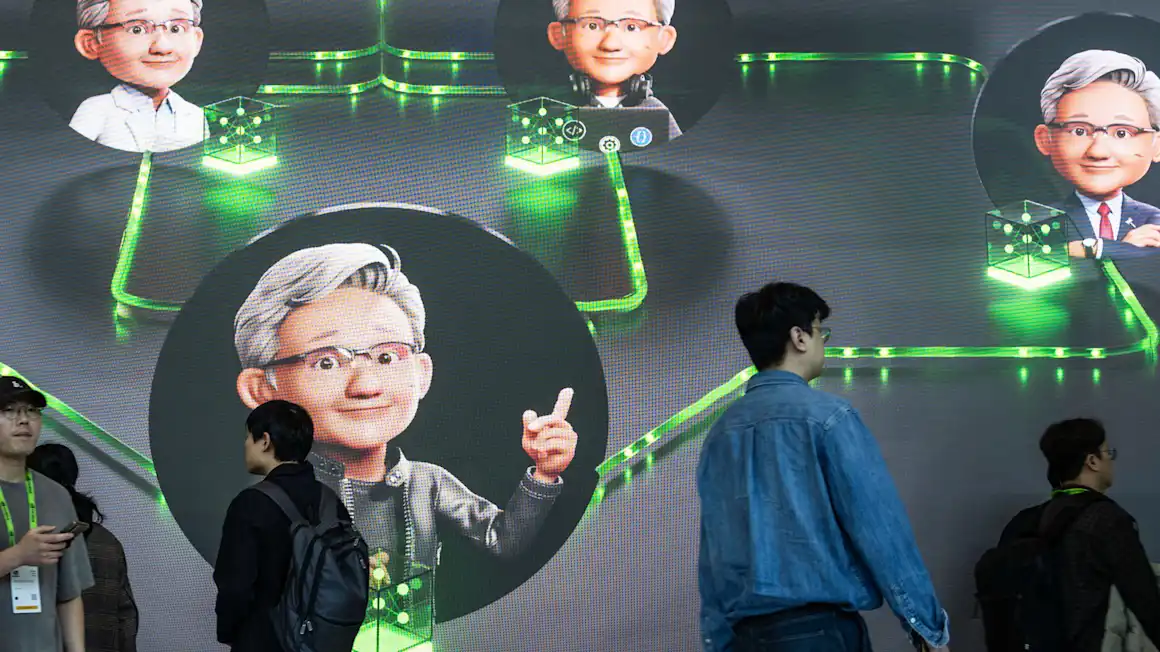
Nvidia Corporation, led by CEO Jensen Huang, has emerged as the central pillar of the global artificial intelligence infrastructure. The company’s recent performance and strategic positioning have highlighted a growing concern among investors and industry observers: the world has become excessively reliant on a single point of failure. This dependency is not merely a corporate risk but a systemic issue affecting the broader technology ecosystem, where the travails of one executive serve as a stark reminder of the fragility inherent in concentrated market power.
The narrative surrounding Huang has evolved from that of a visionary leader to a symbol of potential bottleneck risk. As demand for Nvidia’s graphics processing units (GPUs) surges to unprecedented levels, the company’s ability to maintain supply chain stability and innovation velocity is under intense scrutiny. The implication is clear; any disruption in Huang’s leadership or Nvidia’s operational capacity could have cascading effects across the global economy, particularly in sectors heavily invested in AI development.
Consequences of Centralized Control
The concentration of AI hardware production within Nvidia creates a scenario where the company’s fortunes are inextricably linked to the progress of the entire industry. Major technology firms, including cloud service providers and tech giants, have built their AI roadmaps around Nvidia’s architecture. This dependency means that delays, production issues, or strategic missteps at Nvidia do not just impact its stock price; they potentially stall the deployment of AI technologies worldwide.
Analysts point out that this level of reliance raises questions about long-term sustainability. While Nvidia’s current market position is undeniable, the lack of viable alternatives in the high-end GPU market leaves the industry vulnerable. The 'single point of failure' dynamic suggests that the broader tech sector has not diversified its hardware dependencies as aggressively as it might have, leaving it exposed to the specific challenges facing Huang and his company.
The travails of Jensen Huang, whether related to personal health, regulatory scrutiny, or operational challenges, serve as a microcosm for these larger systemic risks. The media focus on his personal struggles underscores the human element of this corporate giant. It highlights how the fate of a multi-billion dollar industry can feel tied to the well-being and decisions of a single individual, a scenario that governance experts often warn against in large, complex organizations.
Looking Ahead: Diversification or Disruption?
As the industry looks to the future, the question of diversification becomes paramount. Competitors are actively working on developing alternative AI accelerators, but the gap between Nvidia’s performance and that of its rivals remains significant. The timeline for meaningful competition to emerge is uncertain, leaving Nvidia in a position of enduring dominance for the foreseeable future. This reality forces stakeholders to consider how they can mitigate risk without sacrificing the performance advantages that Nvidia currently offers.
Regulatory bodies are also beginning to take note of the market concentration. While no specific actions have been mandated yet, the potential for antitrust scrutiny looms over the industry. The concern is not just about market share, but about the control over the foundational technologies that drive the next wave of digital innovation. The world’s reliance on Huang’s company is thus a legal and economic issue as much as it is a technological one.
The current landscape suggests that while Nvidia remains the preferred partner for AI development, the risks associated with this relationship are becoming impossible to ignore. Investors and industry leaders must navigate a landscape where the health of the AI boom is closely tied to the stability of a single corporation. The coming months will likely see increased attention on supply chain resilience and the development of alternative technologies, as the industry seeks to reduce its exposure to the 'Jensen Huang factor.'
Key takeaways
- Nvidia’s dominance in AI chip manufacturing has created a critical supply chain vulnerability for the global technology sector.
- The world’s reliance on Jensen Huang and Nvidia highlights systemic risks associated with single points of failure in the tech industry.
- Major tech firms have built their AI roadmaps around Nvidia’s architecture, making them vulnerable to disruptions at the company.
- Analysts warn that the lack of viable alternatives in the high-end GPU market leaves the industry exposed to operational and strategic risks.
- Regulatory scrutiny may increase as concerns grow over market concentration and control over foundational AI technologies.





