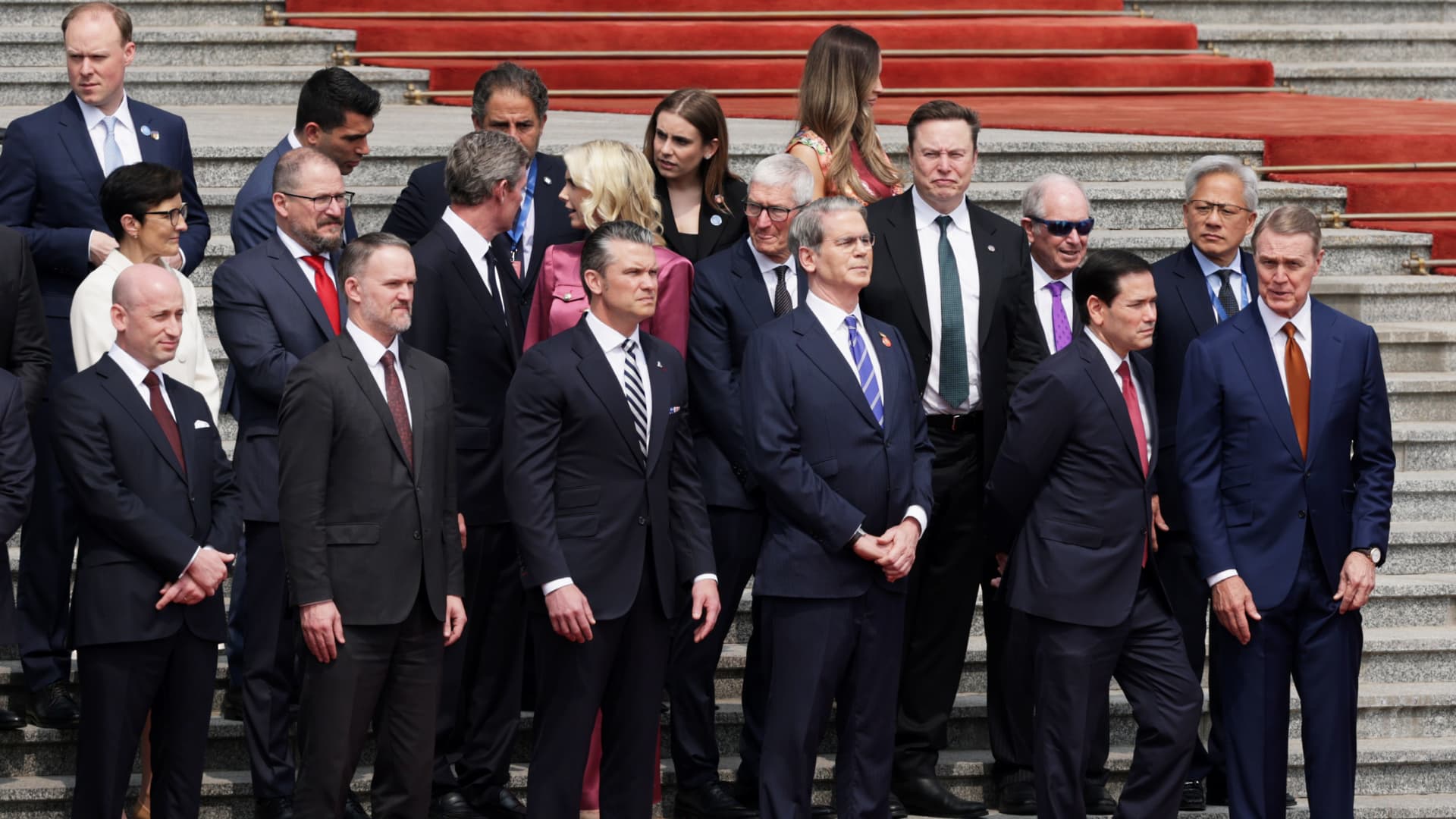
Geopolitical Shifts Ahead of Summit
The political climate heading into next week's Trump-Xi summit is drastically different from the last meeting in September. The arrest of NVIDIA CEO Jensen Huang on espionage charges has introduced a significant new variable into diplomatic discussions between the United States and China. This legal development has shifted the focus of international relations, highlighting the deepening tensions over technology transfer and national security.
Recent developments in the legal case against Huang have raised questions about the potential impact on bilateral trade and technology cooperation. The timing of the arrest, occurring just before a high-stakes diplomatic meeting, suggests a coordinated effort by U.S. authorities to address perceived security risks. This move underscores the administration's commitment to enforcing export controls and preventing the transfer of sensitive technology to foreign entities.
Implications for Technology Sector
The case against Jensen Huang has immediate implications for the technology sector, particularly for companies involved in advanced computing and artificial intelligence. NVIDIA's position as a leader in GPU technology makes it a focal point in the ongoing debate over intellectual property protection and national security. The arrest signals a stricter enforcement of laws related to economic espionage, which could have far-reaching consequences for multinational corporations operating in both the U.S. and China.
Industry analysts suggest that the legal proceedings against Huang may serve as a deterrent to other tech executives, reinforcing the importance of compliance with U.S. export regulations. The case highlights the increasing scrutiny placed on the semiconductor industry, where competition between the U.S. and China is intensifying. This heightened focus on security could lead to more stringent regulations and oversight for companies involved in cross-border technology transfers.
Outlook for Diplomatic Relations
The upcoming Trump-Xi summit will now need to address the implications of Huang's arrest, which has complicated the diplomatic landscape. The incident has raised concerns about the potential for retaliation or further escalation in the technology war between the two nations. Diplomatic sources indicate that the summit will likely include discussions on how to manage these tensions while maintaining essential trade and security cooperation.
Experts note that the case against Huang reflects a broader trend of using legal tools to address geopolitical challenges. The U.S. government's approach demonstrates a willingness to leverage domestic laws to achieve foreign policy objectives. This strategy may influence future diplomatic interactions, as both countries seek to balance economic interests with national security concerns.
As the summit approaches, the international community will be watching closely to see how the Trump administration and Chinese leadership navigate this new development. The outcome of the meeting could set the tone for U.S.-China relations in the coming years, particularly in the realm of technology and trade. The case of Jensen Huang serves as a reminder of the complex interplay between law, commerce, and diplomacy in the modern global economy.
Key takeaways
- The arrest of NVIDIA CEO Jensen Huang on espionage charges has altered the political climate ahead of the Trump-Xi summit.
- The incident highlights growing U.S.-China tensions over technology transfer and national security.
- The case may serve as a deterrent for other tech executives, emphasizing the need for compliance with export controls.
- Diplomatic discussions at the summit will likely address the implications of the arrest for bilateral relations.
- The situation reflects a broader trend of using legal tools to address geopolitical challenges in the technology sector.





