Shifting AI Demand Dynamics
Exchange-traded fund (ETF) experts are analyzing how recent developments in the semiconductor sector could alter the trajectory of artificial intelligence investments. The convergence of leadership turmoil at Nvidia and a Democratic majority in Congress is viewed as a potential catalyst for shifting AI demand away from Nvidia and toward other major technology companies and rival chip manufacturers.
Nvidia has long been the dominant force in the AI chip market, benefiting from the rapid expansion of generative AI applications. However, signs of instability within the company's leadership structure have raised questions among investors about its ability to maintain its market position. This internal uncertainty is being weighed against the broader political landscape, which is now under Democratic control following recent elections.
A Democratic Congress is expected to influence regulatory frameworks surrounding technology, potentially impacting how AI is developed and deployed. Experts suggest that this political shift could create a more favorable environment for competitors to Nvidia, as regulatory scrutiny might increase for the current market leader while opening doors for other players in the sector.
The potential shift in demand is not limited to chipmakers alone. Other Big Tech stocks may benefit from this realignment of investor interest. As Nvidia faces headwinds, capital could flow toward established technology firms that are integrating AI into their services or those developing alternative hardware solutions.
ETF managers are closely monitoring these trends to adjust their portfolios accordingly. The combination of corporate governance issues at a key industry player and a changing political landscape creates a complex environment for investors. The focus is on identifying which companies are best positioned to capture the growing demand for AI technologies amidst these changing conditions.
Impact on Rival Chipmakers and Big Tech
Rival chipmakers are seen as primary beneficiaries of any shift away from Nvidia. Companies such as AMD, Intel, and emerging players in the semiconductor space could see increased demand for their products if Nvidia's dominance wanes. This competition is expected to intensify as the market seeks to diversify supply chains and reduce dependency on a single provider.
The political environment under a Democratic Congress may also play a role in shaping the competitive landscape. Policies aimed at promoting domestic manufacturing and innovation could provide additional support for US-based chipmakers. This could further advantage companies that are investing heavily in research and development within the United States.
Big Tech stocks are also in the spotlight as investors reassess their exposure to the AI theme. Companies that have successfully integrated AI into their business models may attract more investment as the market looks for stable growth opportunities. The shift in demand could lead to a reevaluation of valuations across the technology sector.
ETF experts emphasize that while the potential for change is significant, the actual impact will depend on how these factors interact in the coming months. Investors are advised to stay informed about developments in both the corporate and political spheres as they navigate the evolving AI investment landscape.
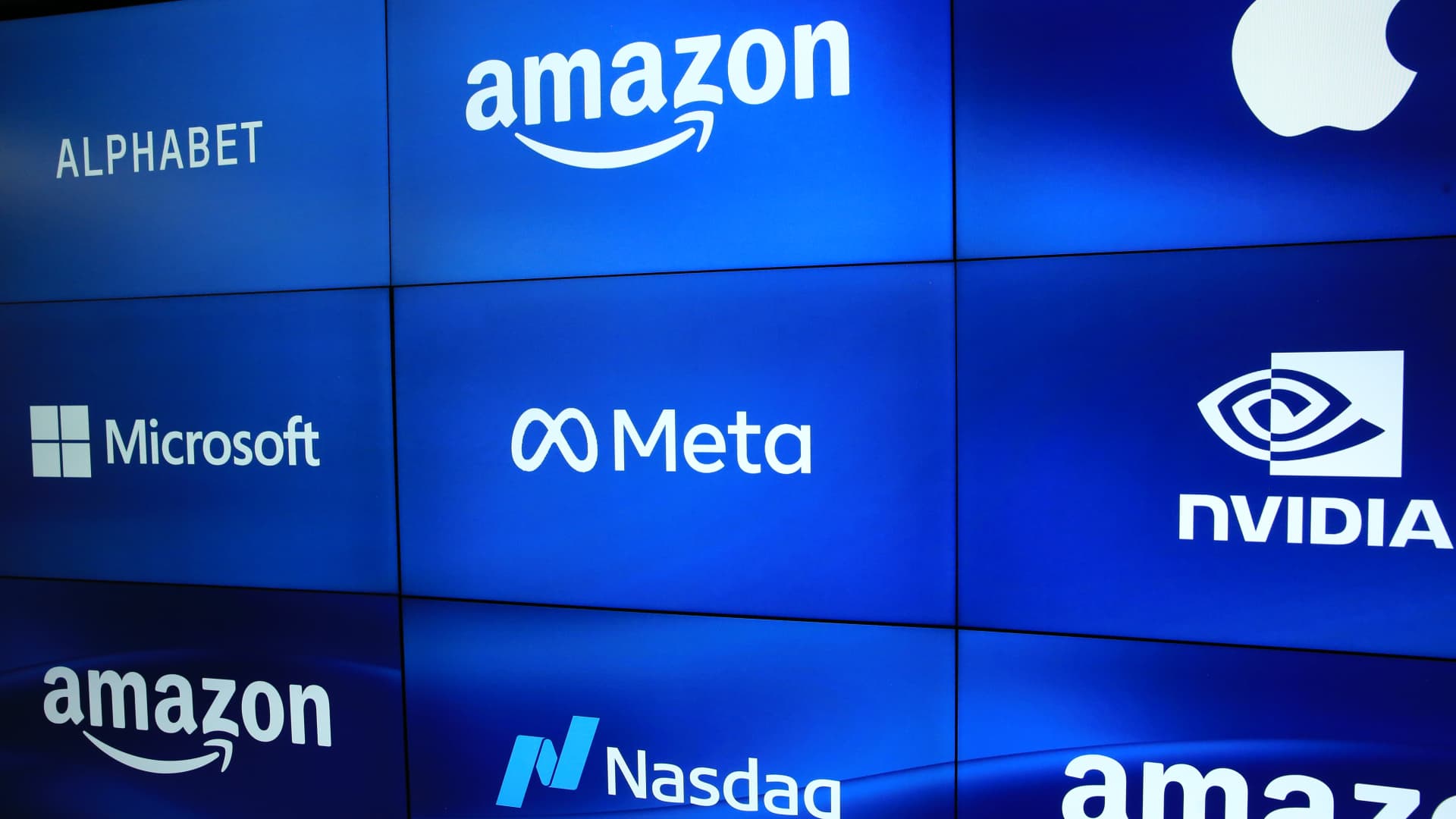
ETF experts say Nvidia’s leadership turmoil and Democratic control of Congress could shift AI demand to the benefit of other Big Tech stocks, rival chipmakers.
What Happens Next
The coming months will be critical in determining the extent to which these factors reshape the AI trade. Investors will be watching for signs of leadership stabilization at Nvidia and any new regulatory policies introduced by the Democratic Congress. These developments will likely influence market sentiment and capital flows within the technology sector.
As the situation evolves, the focus will remain on identifying the winners and losers in the AI space. The interplay between corporate governance, political regulation, and market demand will continue to be a key driver of investment decisions. Experts suggest that a diversified approach may be prudent as the landscape undergoes significant changes.
Key takeaways
- ETF experts believe Nvidia's leadership turmoil and Democratic control of Congress may shift AI demand.
- Other Big Tech stocks and rival chipmakers are expected to benefit from this potential shift.
- Political changes could influence regulatory frameworks affecting the AI industry.
- Investors are monitoring how corporate instability at Nvidia impacts its market position.
- Rival chipmakers may see increased demand as the market seeks to diversify supply chains.





