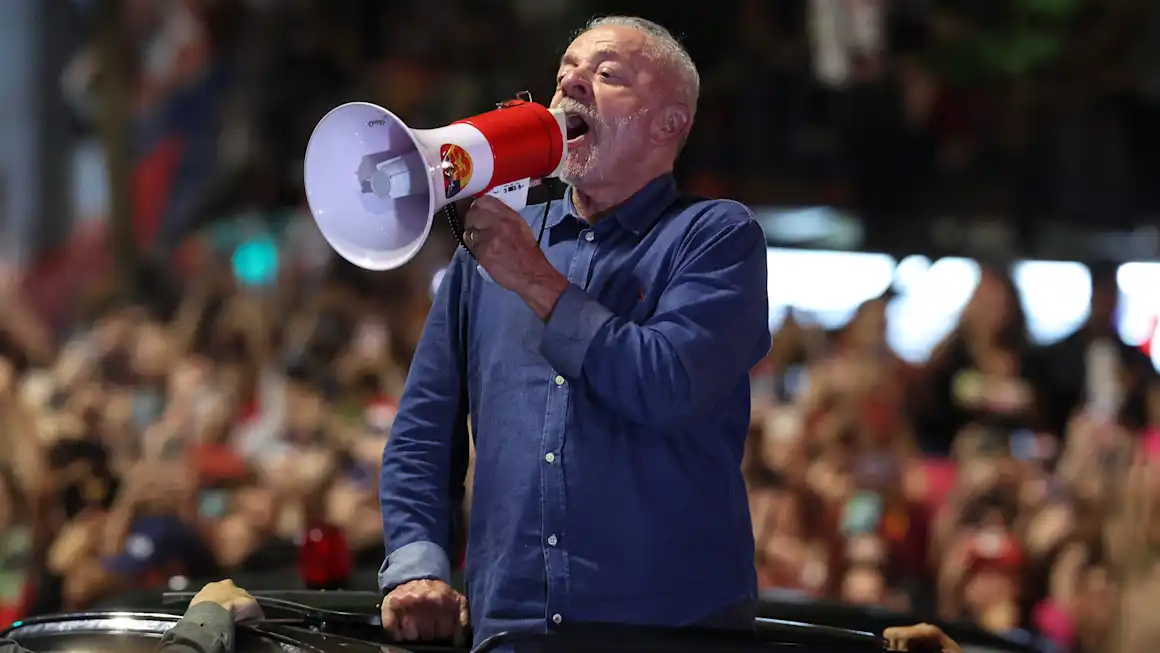
Brazilian President Luiz Inácio Lula da Silva executed a significant strategic pivot in the final three weeks prior to the second-round election, effectively reversing his earlier polling deficits. According to recent reports, the campaign shifted focus toward an energetic digital presence, utilizing social media platforms to re-engage voters who had previously shown disengagement or support for his opponent.
Digital Mobilization and Social Giveaways
The core of this late-stage resurgence involved a coordinated online campaign that integrated traditional political messaging with modern digital engagement tools. Reports indicate that the implementation of social giveaways and interactive content served as catalysts for increased voter awareness and enthusiasm. This approach aimed to cut through the noise of the final campaign period and directly target demographics that are increasingly active on digital channels.
Impact on Electoral Dynamics
This strategic adjustment occurred between the first and second rounds of voting, a critical window where voter sentiment often solidifies. The successful reignition of the campaign's digital footprint suggests a calculated effort to mobilize support among younger and more tech-savvy voters. The move underscores the growing importance of social media dynamics in shaping electoral outcomes in Brazil, marking a distinct departure from previous campaign methodologies that relied more heavily on traditional media and grassroots organizing.





