A Failed Political Opportunity
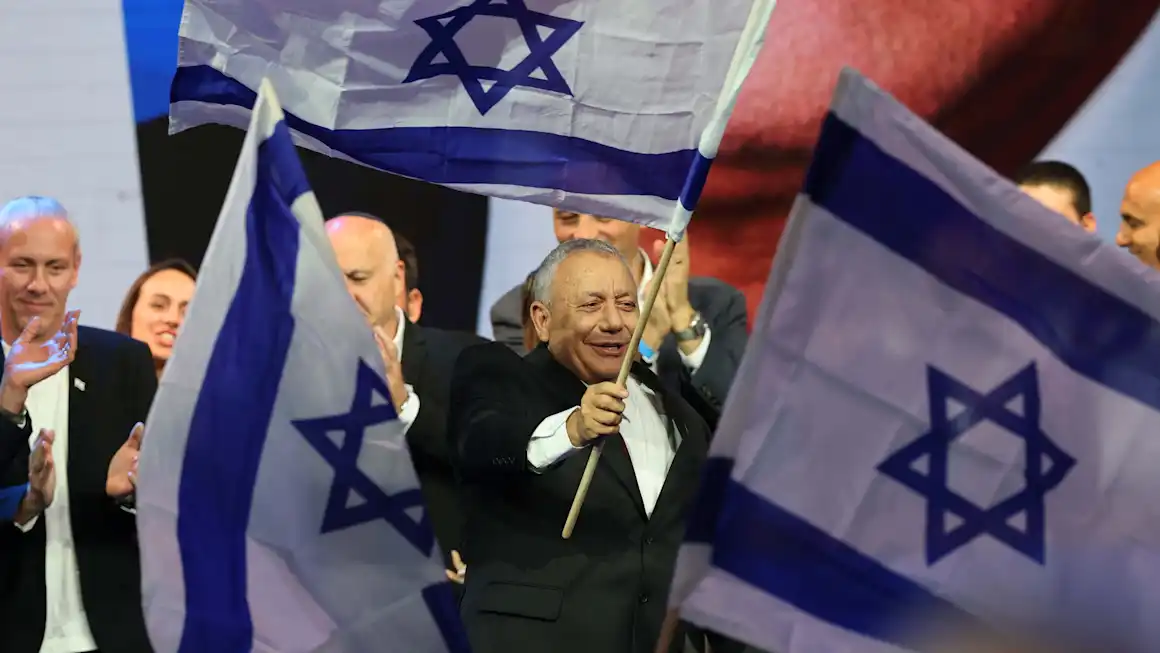
Those who have long been opposed to Prime Minister Benjamin Netanyahu fear that they have missed a historic opportunity to oust him from office. The sentiment suggests a significant miscalculation by the opposition factions, who may have allowed a pivotal moment in Israeli politics to slip away. This perceived failure to act decisively has sparked intense debate among political observers and voters alike, highlighting the fragility of the current coalition and the resilience of the prime minister's political machine.
The Weight of Political History
The opposition's struggle reflects broader tensions within Israel's political landscape. For years, Netanyahu has maintained a grip on power through complex coalition-building and strategic alliances. The recent events have underscored the difficulty of mounting a successful challenge against a leader with such entrenched support. Critics argue that the opposition's hesitation or internal disunity allowed Netanyahu to consolidate his position further, making future challenges even more daunting.
Political analysts point out that the window for removing Netanyahu was narrow and required a unified front from all opposition parties. Instead, fragmented efforts and differing priorities among the various factions may have diluted their impact. This lack of cohesion has left many voters and activists feeling that a unique chance to reshape the country's political direction has been lost.
What Happens Next
As the dust settles on this political episode, the focus now turns to the implications for Israel's future governance. The opposition's failure to capitalize on the opportunity may embolden Netanyahu and his allies, potentially leading to more aggressive policy moves. Conversely, it could also galvanize the opposition to regroup and prepare for a more coordinated effort in the next electoral cycle. The coming months will be critical in determining whether the opposition can rebuild its momentum or if Netanyahu's dominance will continue unchallenged.
Public opinion polls and political commentary suggest that voter sentiment remains divided. While some citizens are frustrated with the status quo, others remain loyal to the prime minister. This polarization makes it difficult for any single party to gain a decisive majority, potentially leading to prolonged political instability. The opposition must now decide whether to pursue new alliances or focus on grassroots mobilization to regain public trust.
The economic and social implications of this political stalemate are also significant. Investors and businesses are closely watching the situation, as political uncertainty can impact market confidence. The government's ability to implement economic reforms and address social issues will depend on its capacity to navigate the current political gridlock. Failure to do so could lead to further erosion of public confidence in the political system.
In conclusion, the opposition's missed opportunity to oust Netanyahu represents a critical juncture in Israeli politics. The long-term consequences of this failure will likely shape the country's political trajectory for years to come. Whether the opposition can learn from this experience and mount a more effective challenge remains to be seen. For now, Netanyahu remains in power, but the underlying tensions that led to this moment have not been resolved.





