Moving Away from Roots
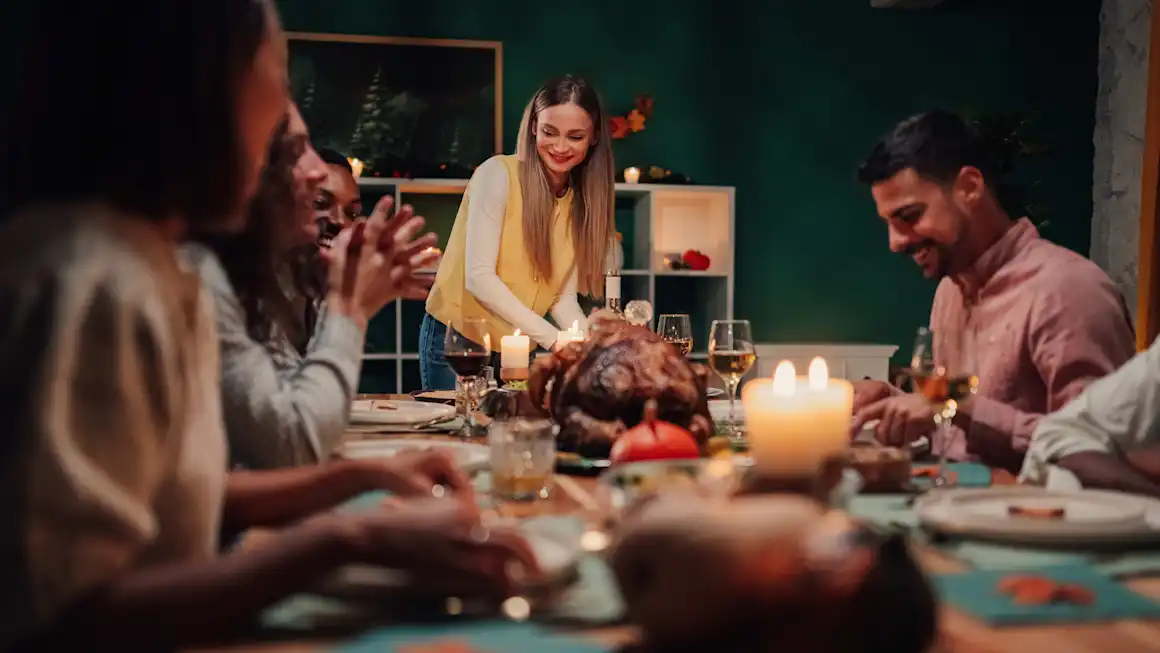
The traditional concept of Thanksgiving in the United States has long been anchored in the idea of gathering with extended family. However, a significant demographic shift is redefining this narrative. As Americans move further away from their places of origin for education, career opportunities, and lifestyle changes, the ability to return home for the annual feast has become increasingly difficult for a large segment of the population. This geographic dispersion has necessitated the creation of new support systems and social networks, leading to the rise of 'Friendsgiving' as a viable and popular alternative to the family-centric holiday.
According to recent data, the median distance an American moves for a job or education has increased over the past two decades. This mobility means that many young adults and professionals live hundreds or even thousands of miles from their parents and siblings. The logistical and financial barriers to traveling home for a one-day holiday have made it impractical for many to maintain the traditional Thanksgiving routine, prompting a search for local alternatives that provide similar emotional and culinary rewards.
The Economics of Gathering
Beyond the logistical challenges, economic factors play a crucial role in the adoption of Friendsgiving. The cost of living, particularly housing and transportation, has risen significantly, making the traditional large-scale family dinner a financial strain for many households. Friendsgiving often operates on a potluck model or shared hosting duties, which distributes the financial burden among a group. This collaborative approach allows participants to enjoy a festive meal without the sole responsibility falling on one individual or family unit.
Market data from major retailers and food delivery services indicates a shift in purchasing patterns during the Thanksgiving period. While traditional grocery sales remain strong, there is a noticeable uptick in group dining experiences and multi-person meal kits. This trend suggests that consumers are increasingly prioritizing shared experiences with peers over isolated family gatherings. The rise of social media platforms has also amplified the visibility of Friendsgiving, with millions of posts showcasing elaborate feasts and group celebrations, further normalizing the practice.
Furthermore, the changing structure of American households contributes to this trend. With more people choosing to remain single, delaying marriage, or having fewer children, the traditional nuclear family model is less prevalent than it was in previous generations. This demographic reality means that for many, friends are the primary source of emotional support and community. Consequently, the holiday becomes a natural occasion to celebrate these chosen bonds, reflecting a broader societal shift towards valuing connection and inclusivity over rigid familial obligations.
Cultural Implications and Future Trends
Sociologists note that the rise of Friendsgiving is not merely a trend but a reflection of deeper cultural changes. It highlights a move towards individualism and self-determination in how people choose to spend their time and with whom they choose to celebrate. This shift challenges the notion that family is the sole provider of holiday spirit and support, suggesting that community can be equally, if not more, significant in providing a sense of belonging.
As the younger generations, particularly Millennials and Gen Z, become the dominant force in consumer spending and cultural trends, the expectation for flexible and inclusive holiday celebrations is likely to grow. Businesses are already adapting to this shift, offering services and products tailored to group celebrations and non-traditional gatherings. The hospitality industry, in particular, has seen an increase in bookings for group dining and event spaces during the Thanksgiving period, indicating that the market is responding to this demand.
Looking ahead, the integration of Friendsgiving into the mainstream holiday calendar appears to be a lasting development rather than a temporary fad. As remote work becomes more common and geographic boundaries become less restrictive, the ability to gather with diverse groups of people may increase. This could lead to even more creative and varied forms of holiday celebration, further blurring the lines between family and friend gatherings. The essence of Thanksgiving, centered on gratitude and community, remains unchanged, but the composition of those communities is evolving to reflect the modern American experience.
Key takeaways
- Geographic mobility has made it increasingly difficult for Americans to return home for Thanksgiving, driving the adoption of local alternatives.
- Financial pressures and the rising cost of living have made the potluck model of Friendsgiving an attractive, cost-effective option for many.
- Changing household structures, including more single-person households and delayed marriages, have elevated the role of friends in providing emotional support.
- Retail and hospitality sectors are adapting to the trend by offering services tailored to group celebrations and non-traditional gatherings.
- Societal shifts towards individualism and chosen families are redefining the cultural significance of holiday celebrations in the United States.





