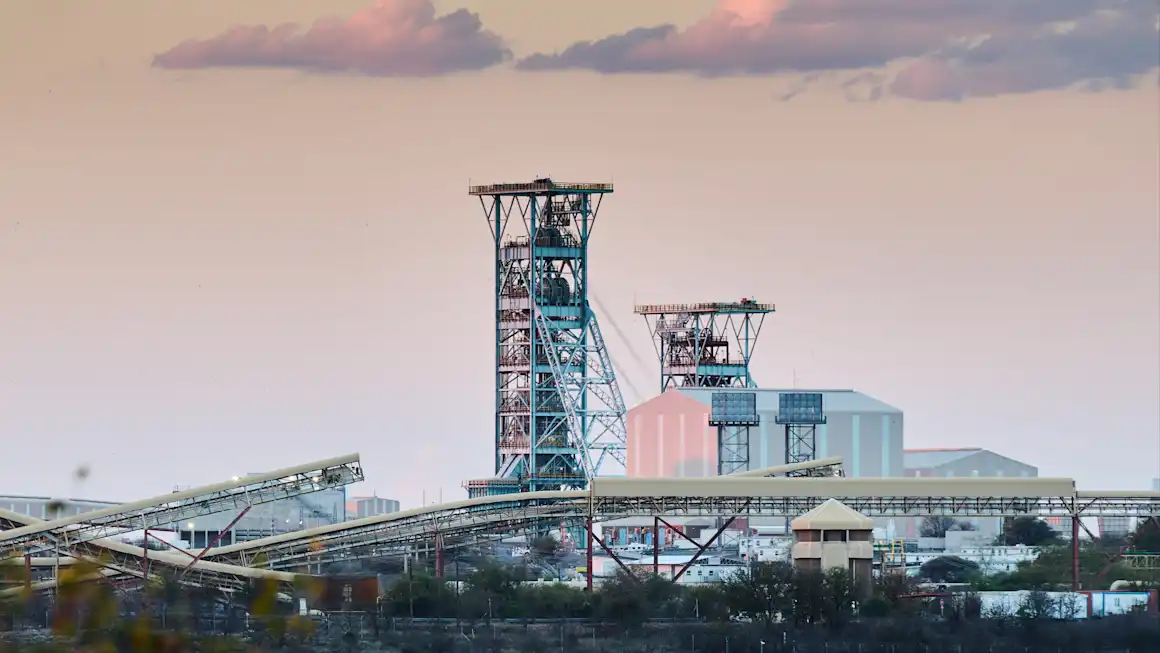
A Historic Brand Faces Modern Challenges
De Beers, the diamond mining giant that once controlled the vast majority of the global rough diamond market, is navigating a period of significant transformation. For decades, the company was synonymous with the diamond industry itself, leveraging powerful marketing campaigns that cemented the stone as a symbol of eternal love and status. However, in recent years, the brand and the natural diamond sector as a whole have experienced a notable decline in consumer enthusiasm and market dominance. This shift has been driven by a combination of changing consumer values, the rise of lab-grown alternatives, and broader economic uncertainties affecting discretionary spending.
The jewellery industry has long relied on De Beers' marketing prowess to maintain demand. The famous 'A Diamond is Forever' campaign, launched in the 1940s, is widely credited with creating the modern diamond market. Yet, the cultural narrative surrounding diamonds has evolved. Younger consumers, in particular, are showing increased skepticism toward the ethical and environmental implications of mining, as well as the high price premiums associated with natural stones. This generational shift has forced industry leaders to reconsider their traditional strategies and seek new ways to engage a more conscious and price-sensitive clientele.
The New Advertising Push
In response to these persistent headwinds, De Beers and other major players in the jewellery industry have pinned their hopes on a renewed and aggressive advertising push. This new campaign aims to restore the lustre of natural diamonds by rebranding them not just as status symbols, but as investments in heritage, rarity, and emotional connection. The strategy involves a multi-channel approach, leveraging digital platforms, social media influencers, and traditional media to reach a broader audience. The goal is to counter the narrative that lab-grown diamonds are a superior or more ethical alternative by highlighting the geological rarity and timeless value of natural stones.
Industry analysts note that this advertising effort is not just about boosting short-term sales, but about long-term brand survival. The market for natural diamonds has been under pressure since the early 2010s, with prices fluctuating wildly and consumer confidence waning. The new campaign seeks to stabilize demand by reinforcing the emotional and cultural significance of natural diamonds. By focusing on storytelling and heritage, De Beers hopes to differentiate its product in a crowded market where lab-grown diamonds, which are chemically identical but significantly cheaper, continue to gain market share.
The financial implications of this strategy are substantial. De Beers has invested heavily in marketing and brand management, recognizing that its reputation is its most valuable asset. The company has also been working to streamline its operations and reduce costs to maintain profitability in a challenging environment. This includes optimizing its mining operations and exploring new technologies to improve efficiency. The advertising campaign is seen as a critical component of this broader restructuring effort, aiming to drive top-line growth and restore investor confidence.
Market Reaction and Future Outlook
The jewellery industry's reliance on advertising to drive demand highlights the sector's vulnerability to shifts in consumer sentiment. While traditional marketing has been effective in the past, its ability to counteract the structural challenges facing natural diamonds is uncertain. Lab-grown diamonds have disrupted the market by offering a more affordable and ethically appealing alternative, forcing natural diamond producers to compete on factors beyond price. The success of De Beers' new campaign will depend on its ability to resonate with consumers who are increasingly informed about the provenance and impact of their purchases.
Financial markets have reacted cautiously to these developments. While some investors view the advertising push as a necessary step to stabilize demand, others remain skeptical about the long-term viability of the natural diamond market. The company's stock price has reflected this uncertainty, with fluctuations driven by quarterly earnings reports and broader economic trends. Analysts are closely monitoring sales data and consumer trends to assess the effectiveness of the new strategy. The coming months will be critical in determining whether the advertising campaign can reverse the trend of declining interest in natural diamonds.
Furthermore, the broader economic environment plays a significant role in the jewellery industry's outlook. High inflation and rising interest rates have reduced disposable income for many consumers, leading to a decline in luxury goods sales. De Beers and its competitors must navigate these macroeconomic challenges while trying to rebuild consumer trust and desire for natural diamonds. The company's ability to adapt to these changing conditions will be a key test of its resilience and strategic agility.
Key takeaways
- De Beers and the jewellery industry are launching a major advertising campaign to revive interest in natural diamonds after years of declining sales.
- The campaign aims to counter the rise of lab-grown diamonds by emphasizing the rarity, heritage, and emotional value of natural stones.
- Consumer attitudes have shifted, with younger buyers increasingly concerned about the ethical and environmental impacts of diamond mining.
- Financial markets view the strategy with caution, as the long-term viability of the natural diamond market remains uncertain amidst structural challenges.
- The success of the advertising push will depend on its ability to resonate with a more conscious and price-sensitive consumer base.





