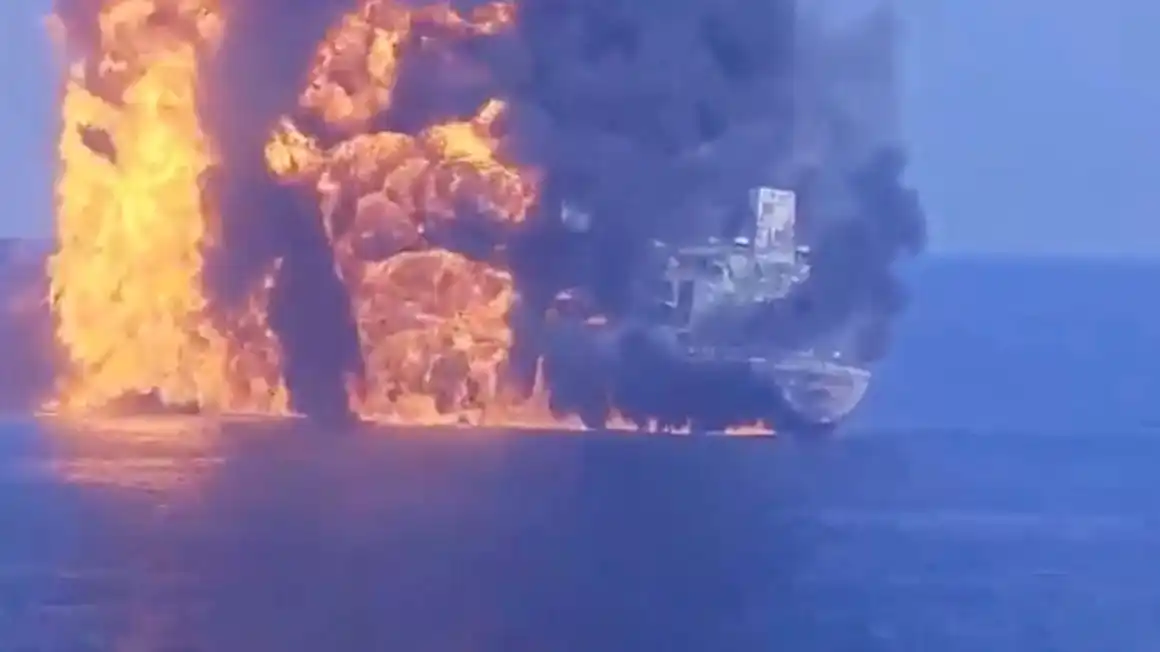
Rapid Escalation Raises Alarm
A week of tit-for-tat escalation by Iran and the US has brought the countries closer to another full-scale confrontation, analysts say. The rapid intensification of hostilities between the two nations has sparked renewed concerns among global markets and geopolitical observers. The swift deterioration of diplomatic relations marks a significant shift from previous periods of managed tension, raising the stakes for regional stability in the Middle East. This latest cycle of aggression suggests a breakdown in the mechanisms that had previously contained the conflict, potentially reopening old wounds from the Iran-Iraq War era.
Analysts emphasize that the current trajectory is not merely a continuation of existing disputes but represents a qualitative change in the nature of the rivalry. The speed and severity of the recent exchanges indicate a willingness by both sides to push boundaries further than in previous skirmishes. This shift has prompted military and political experts to revisit historical precedents, with the Iran-Iraq War serving as a grim reference point for what a full-scale regional conflict could entail. The comparison underscores the potential for widespread devastation and long-term geopolitical realignment.
Market and Global Implications
The fear of a return to a war scenario reminiscent of the Iran-Iraq War has immediate implications for global financial markets. Investors are closely monitoring oil prices, which are highly sensitive to supply disruptions in the Middle East. Any escalation that threatens key shipping lanes or production facilities could lead to significant volatility in energy markets. The specter of a broader conflict introduces a risk premium that could affect everything from commodity prices to currency values, particularly in regions dependent on Middle Eastern energy imports.
Geopolitical risk is no longer confined to regional news cycles; it has become a central factor in global economic forecasting. The potential for a full-scale confrontation introduces uncertainty that can dampen investment and trade flows. Companies with exposure to the Middle East or those reliant on stable energy supplies are reassessing their risk management strategies. The current climate suggests that traditional hedging mechanisms may be tested if the situation deteriorates further, highlighting the interconnectedness of modern financial systems and geopolitical stability.
What Happens Next?
As the situation remains fluid, the focus shifts to whether diplomatic channels can re-engage or if the momentum toward conflict becomes irreversible. Analysts suggest that the coming days will be critical in determining whether this escalation can be contained or if it will spiral into a broader war. The international community is watching closely, with various nations likely to issue statements or take actions aimed at de-escalation. However, the deep-seated mistrust between the US and Iran complicates any immediate resolution efforts.
The potential for a full-scale confrontation also raises questions about the role of regional allies and proxy forces. Both the US and Iran have extensive networks of influence in the Middle East, and any direct conflict could quickly draw in other actors, expanding the scope of the war. This dynamic makes the situation particularly volatile, as miscalculations by third parties could trigger unintended escalations. The historical context of the Iran-Iraq War serves as a reminder of how quickly regional conflicts can expand and become entrenched.
Key takeaways
- A week of tit-for-tat escalation between Iran and the US has brought the countries closer to another full-scale confrontation, according to analysts.
- The rapid intensification of hostilities has raised fears of a return to a conflict scenario similar to the Iran-Iraq War.
- Global markets are reacting to the increased geopolitical risk, with particular attention on energy prices and supply chain stability.
- Analysts warn that the current trajectory represents a significant shift from previous periods of managed tension between the two nations.
- The situation remains fluid, with the coming days critical in determining whether diplomatic efforts can prevent a broader war.





