Resilient Demand in a Shifting Landscape
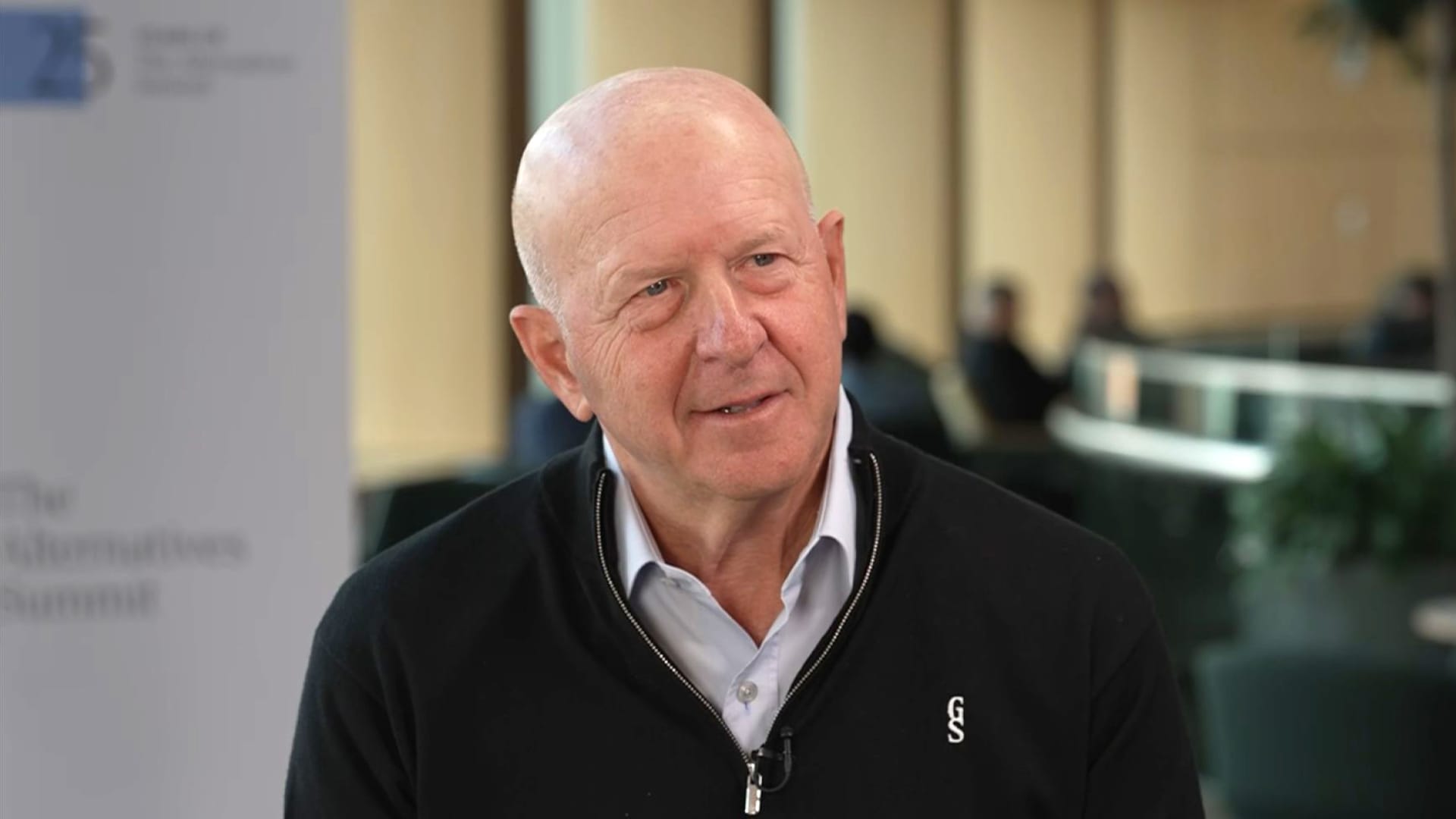
David Solomon, Chief Executive Officer of Goldman Sachs Group Inc., has indicated that the financial sector's appetite for financing artificial intelligence infrastructure remains robust. This assertion comes at a time when the broader technology sector is navigating significant turbulence, characterized by a notable reset in AI-related stock valuations. Despite these market jitters, Solomon suggests that the fundamental demand for building and supporting the physical backbone of AI technology continues to drive investment interest.
The comments highlight a divergence between short-term market sentiment and long-term industrial demand. While public equity markets have experienced volatility, the underlying need for data centers and the associated energy and construction infrastructure appears to be maintaining its momentum. This resilience is particularly notable given the broader economic uncertainties that have affected growth-oriented sectors in recent months.
Solomon’s remarks underscore the persistent capital requirements associated with the AI boom. The development of data centers is not merely a software or service endeavor but a heavy industrial process requiring substantial upfront investment. Investors and lenders are increasingly recognizing the tangible assets involved, which may provide a layer of stability compared to more speculative technology investments.
Navigating Political and Regulatory Headwinds
However, the path for AI infrastructure is not without obstacles. Solomon explicitly acknowledged the presence of political uncertainty surrounding data center projects. As governments at various levels grapple with zoning, environmental regulations, and energy consumption concerns, the development timeline for new facilities faces potential delays or increased costs. This political friction adds a complex variable to the otherwise strong financial appetite observed by Goldman Sachs.
Investor appetite for AI infrastructure remains strong despite a reset in AI stocks and political uncertainty around data centers.
The interplay between private capital and public policy is becoming increasingly critical. While financial institutions like Goldman Sachs are willing to provide the necessary leverage for these projects, the regulatory environment is evolving. Local communities and national governments are scrutinizing the environmental impact of large-scale data operations, leading to a more cautious political climate that could impact the speed of deployment.
This uncertainty does not necessarily deter investment but may alter the risk profile that financial institutions assess. Banks and investment firms are likely adjusting their models to account for potential regulatory hurdles, ensuring that they can manage exposure while still participating in the lucrative AI infrastructure market. The focus is shifting towards projects that can navigate these political landscapes effectively, potentially favoring regions with clearer regulatory frameworks.
Implications for the Financial Sector
For the banking sector, this trend represents a significant opportunity to deepen its relationship with the technology industry. As AI moves from a theoretical concept to a physical reality requiring massive infrastructure, traditional finance plays a pivotal role. Goldman Sachs, with its strong presence in both investment banking and asset management, is well-positioned to capitalize on this demand.
The CEO’s confidence suggests that the AI narrative is maturing. It is no longer solely about software companies and cloud services but extends to the underlying hardware, energy grids, and construction firms that enable these technologies. This diversification of the AI value chain offers multiple avenues for financial engagement, reducing reliance on any single segment of the tech industry.
Looking ahead, the sustainability of this financing trend will depend on how well the industry can address the political and environmental concerns associated with data centers. Successful navigation of these challenges could unlock further investment, while failure to do so might lead to a slowdown in the pace of infrastructure development. The coming months will be crucial in determining whether the current strong appetite can be sustained amidst these external pressures.
Key takeaways
- Goldman Sachs CEO David Solomon states that investor appetite for AI infrastructure financing remains strong.
- This resilience persists despite a recent reset in the valuations of AI-related stocks.
- Political uncertainty regarding data center regulations and development poses a challenge to the sector.
- The demand for physical AI infrastructure highlights a shift from software to heavy industrial investment.
- Financial institutions are adapting to regulatory risks while maintaining engagement with tech infrastructure projects.





