Strategic Leverage in Brussels
German Chancellor Friedrich Merz has issued a stark ultimatum to the European Union regarding the upcoming multiannual financial framework (MFF). The German leader has made it clear that Berlin will withhold its agreement on the bloc's next long-term budget unless all 27 member states can reach a unanimous consensus on securing additional financial support for Ukraine. This move positions the German government as a central gatekeeper in the ongoing negotiations, linking the fate of the EU's financial future directly to its geopolitical commitments.
The ultimatum represents a significant escalation in the diplomatic tensions surrounding the war in Ukraine. By tying the broader EU budget to specific aid packages for Kyiv, Chancellor Merz is attempting to force a resolution that has previously stalled due to divergent national interests. The German government argues that a stable and secure Ukraine is essential for European stability, and that financial support must be guaranteed through the EU's core budgetary mechanisms rather than ad-hoc national contributions or external funds.
Under the current rules of the EU, the adoption of the multiannual financial framework requires unanimity among all member states. This provision gives any single country veto power over the entire budget. Chancellor Merz is leveraging this procedural rule to ensure that the issue of Ukrainian funding is not sidelined in favor of other domestic priorities such as defense spending, climate initiatives, or agricultural subsidies. The threat to block the budget is a high-stakes tactic designed to compel reluctant nations to align with Berlin's position.
Implications for EU Unity and Budget
If the unanimity requirement is not met, the EU could face a prolonged period without a finalized budget, disrupting funding for key programs and institutions. A failure to agree on the MFF would create significant uncertainty for European businesses and citizens who rely on EU structural funds, research grants, and agricultural subsidies. The potential delay could also weaken the EU's global standing, particularly in times of heightened geopolitical tension where a unified financial front is seen as crucial.
Chancellor Merz's stance reflects the German government's commitment to a rules-based international order and its support for Ukraine's sovereignty. However, it also places pressure on member states that have expressed concerns about the economic burden of prolonged aid. Some nations have cited domestic economic challenges and inflation as reasons for hesitancy in committing to open-ended financial support. The ultimatum forces these countries to weigh their domestic fiscal constraints against the strategic imperative of supporting Ukraine.
The negotiation dynamics are further complicated by the upcoming European Parliament elections and national political cycles in various member states. Political leaders may be wary of appearing soft on fiscal discipline or overly generous with foreign aid in the eyes of their electorate. Chancellor Merz's hardline approach tests the solidarity of the EU bloc, requiring delicate diplomacy to bridge the gap between those prioritizing immediate financial relief and those emphasizing long-term security investments.
Analysts suggest that the outcome of this standoff will define the EU's capacity for collective action in the coming years. A successful negotiation would demonstrate the bloc's ability to adapt its financial structures to address external security threats. Conversely, a failure to reach an agreement could expose deep fractures within the EU, potentially leading to a fragmented approach to both budgetary and foreign policy matters.
What Happens Next
All eyes are now on Brussels as negotiations intensify. Chancellor Merz's position is expected to shape the agenda for upcoming EU summits, where leaders will attempt to find a compromise that satisfies both the demand for Ukrainian support and the need for fiscal responsibility. The coming weeks will be critical in determining whether the EU can present a unified front or if the budget process will be delayed further.
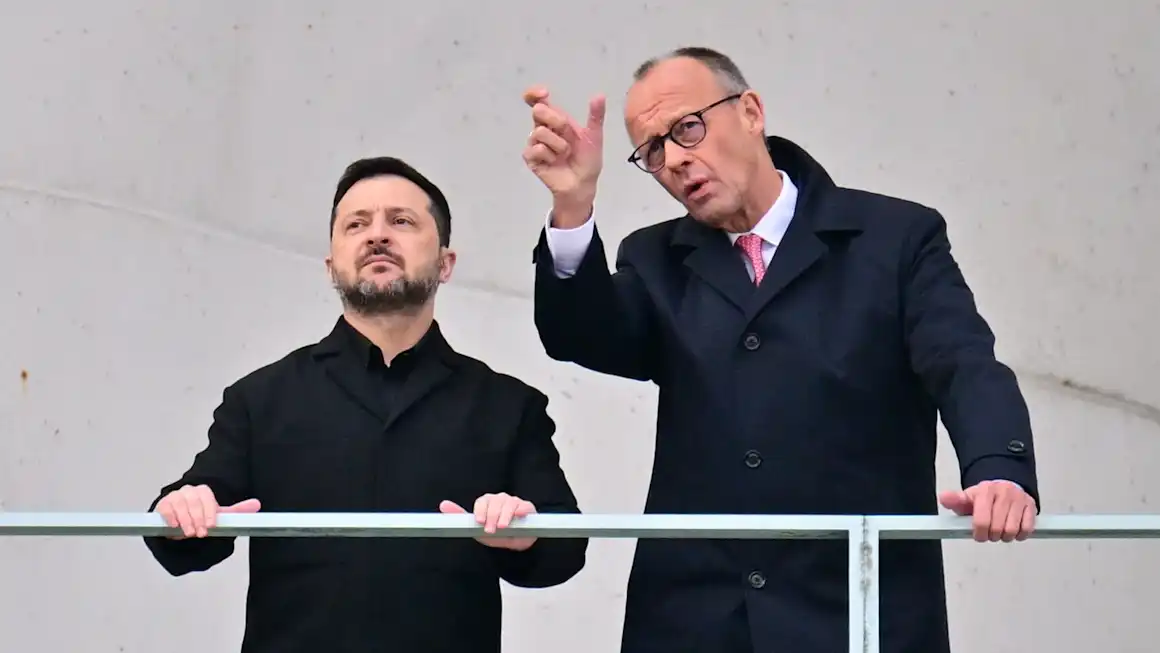
Chancellor Friedrich Merz threatens to withhold agreement on EU’s next budget unless bloc can unanimously agree on additional financial support for Kyiv.
The German Chancellor's ultimatum underscores the increasing intertwining of economic policy and national security within the European Union. As the war in Ukraine continues, the pressure on member states to provide consistent and substantial financial support is likely to grow. The resolution of this budgetary dispute will have far-reaching implications for the EU's internal cohesion and its role on the global stage.
Key takeaways
- German Chancellor Friedrich Merz has threatened to block the EU's next multiannual financial framework.
- The condition for German approval is a unanimous agreement among all 27 member states on additional funding for Ukraine.
- The EU budget requires unanimity for adoption, giving any single country veto power over the entire financial plan.
- Failure to reach an agreement could result in a prolonged budgetary stalemate, disrupting various EU programs and institutions.
- The ultimatum highlights the growing link between European fiscal policy and geopolitical security commitments.





