Storage Shortfall and Regulatory Context
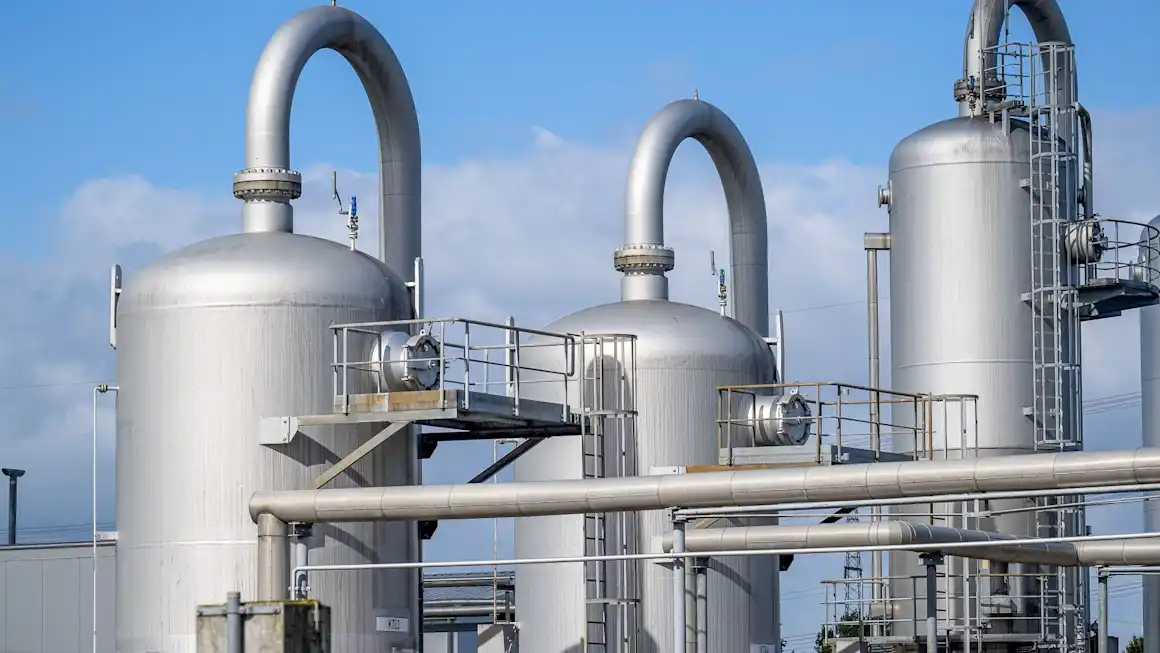
Germany, the European Union's largest economy, has officially fallen short of its legally mandated target for natural gas storage levels ahead of the winter heating season. This development marks a significant deviation from the regulatory framework established by the European Commission, which required all member states to maintain storage facilities at a minimum fill rate of 90 percent by November 1. The failure to meet this threshold introduces uncertainty into the regional energy landscape, particularly as the continent prepares for potential supply disruptions during the colder months.
The storage target was implemented as a critical measure to enhance energy security following the severe supply shocks experienced in previous years. By mandating high fill rates, the EU aimed to reduce dependency on spot market purchases during periods of peak demand. However, Germany's inability to reach the 90 percent benchmark suggests that the country may need to secure additional supplies through alternative means, potentially increasing pressure on existing infrastructure and market dynamics.
Market Implications and Spot Purchases
Analysts indicate that Germany's shortfall could have ripple effects throughout the broader European energy market. As the bloc's largest consumer, Germany's need to bridge the gap between its current storage levels and the required capacity may force it to rely more heavily on spot market purchases. This shift in procurement strategy could drive up prices for natural gas across the EU, as increased demand for immediate delivery competes with other member states facing similar or better storage positions.
The reliance on spot markets is particularly concerning given the volatility inherent in these trading mechanisms. Unlike long-term contracts that provide price stability, spot prices fluctuate based on real-time supply and demand conditions. If Germany must purchase significant volumes on the spot market, it could exacerbate price spikes, affecting not only industrial consumers but also households and smaller businesses across the region. The potential for higher energy costs raises concerns about inflationary pressures and the overall economic stability of the eurozone.
Furthermore, the situation highlights the varying degrees of preparedness among EU member states. Countries that have successfully met or exceeded their storage targets may find themselves in a stronger position to weather supply disruptions. In contrast, Germany's shortfall may necessitate imports from other regions or reliance on liquefied natural gas (LNG) terminals, adding complexity to the supply chain and potentially increasing logistical costs.
Future Outlook and Strategic Adjustments
Energy experts suggest that the immediate focus for German authorities and energy companies will be on mitigating the impact of the storage shortfall. This may involve implementing demand-side management strategies, such as encouraging industrial users to reduce consumption or offering incentives for households to conserve energy. Additionally, the government may explore options for additional storage injections in the coming weeks, although the window for significant fill-rate improvements is narrowing as winter approaches.
The broader implication of Germany's miss extends beyond immediate market dynamics. It serves as a reminder of the ongoing challenges in transitioning away from traditional energy sources while maintaining supply security. The event underscores the importance of diversified energy portfolios and the need for robust infrastructure to handle fluctuations in supply. As the EU continues to refine its energy policies, the lessons learned from this storage shortfall will likely influence future regulatory frameworks and investment strategies.
Market observers will be closely monitoring subsequent developments, including any policy responses from the European Commission and the actions taken by German energy regulators. The potential for price increases remains a key concern, with traders and analysts adjusting their forecasts based on the evolving supply-demand balance. The coming months will be critical in determining how effectively the EU can manage this challenge and maintain energy stability across the bloc.
Key takeaways
- Germany has failed to meet the EU-mandated 90 percent winter gas storage fill-rate target.
- The shortfall is expected to increase reliance on spot market purchases for natural gas.
- Increased spot market demand from Germany could drive up energy prices across the EU.
- The situation highlights vulnerabilities in the European energy supply chain and infrastructure.
- Regulatory and market responses will focus on mitigating immediate supply gaps and price volatility.





