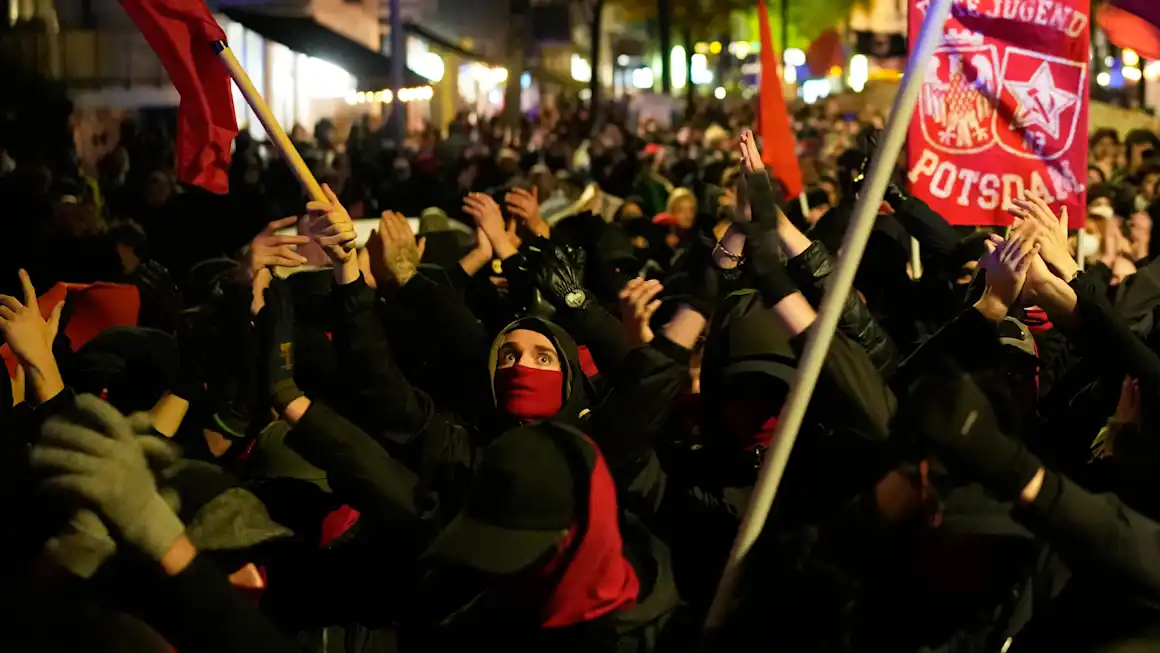
Clashes Erupt in Berlin
Young demonstrators have engaged in violent confrontations with law enforcement agencies in Berlin, marking a sharp turn in recent protest activities. The incidents involve direct physical altercations and property damage, signaling a departure from peaceful assembly. Authorities have responded with significant force to contain the situation, deploying riot police units to key locations where the unrest is concentrated. These events reflect a growing tension within the demographic of young activists who feel increasingly disconnected from mainstream political processes.
The violence in Berlin is not an isolated incident but part of a broader wave of civil disorder sweeping through Europe. Security forces have reported injuries on both sides, though specific numbers remain under verification. The primary focus of the clashes appears to be central districts and areas with high symbolic value. Protesters have been observed using projectiles and makeshift weapons, while police have utilized batons and tear gas to disperse crowds. The escalation suggests that previous warnings and calls for calm have failed to prevent the outbreak of violence.
Looting Spreads to Frankfurt
In a parallel development, commercial centers in Frankfurt have experienced significant looting as the unrest spread. Retail shops have been targeted, with reports of goods being stolen and storefronts damaged. This shift from protest to looting indicates a degradation of order in the city's commercial hubs. Local business owners have expressed concern over the safety of their employees and the financial impact of the destruction. The incidents in Frankfurt mirror the pattern seen in other European cities, where initial protests often devolve into opportunistic crime.
The looting in Frankfurt has prompted an emergency response from local authorities. Police have established cordons around affected areas to prevent further entry and to secure remaining merchandise. Investigations are underway to identify those responsible for the thefts and vandalism. The economic implications for small businesses in the affected zones could be substantial, particularly if the unrest persists. Insurance claims are likely to surge in the coming weeks, placing additional strain on local economic resources.
Echoes of French Unrest
The current wave of violence in Germany is widely regarded as an echo of the riots that occurred in France last month. The similarities in tactics, demographics, and targets suggest a coordinated or inspired campaign of civil disorder. Analysts note that the French riots served as a catalyst, demonstrating the potential for rapid escalation in other European nations. The German protests share thematic elements with the French unrest, including grievances over cost of living and perceived government neglect.
Government officials in Germany have condemned the violence and called for unity. The interior ministry has stated that it will take all necessary measures to restore order and protect citizens. There is a growing fear that the unrest could spread to other major cities if left unchecked. The political implications are significant, as the events test the ability of the state to maintain public order. Opposition parties have used the incident to criticize the current administration's handling of social issues.
Key takeaways
- Violent clashes between young demonstrators and police have occurred in Berlin.
- Shops in Frankfurt have been looted, marking a shift in the nature of the unrest.
- The events in Germany mirror the riots that took place in France last month.
- Authorities have deployed significant resources to contain the violence and looting.
- The unrest highlights growing social tensions and dissatisfaction among young people.





