Strong Financial Results Clash with Market Sentiment
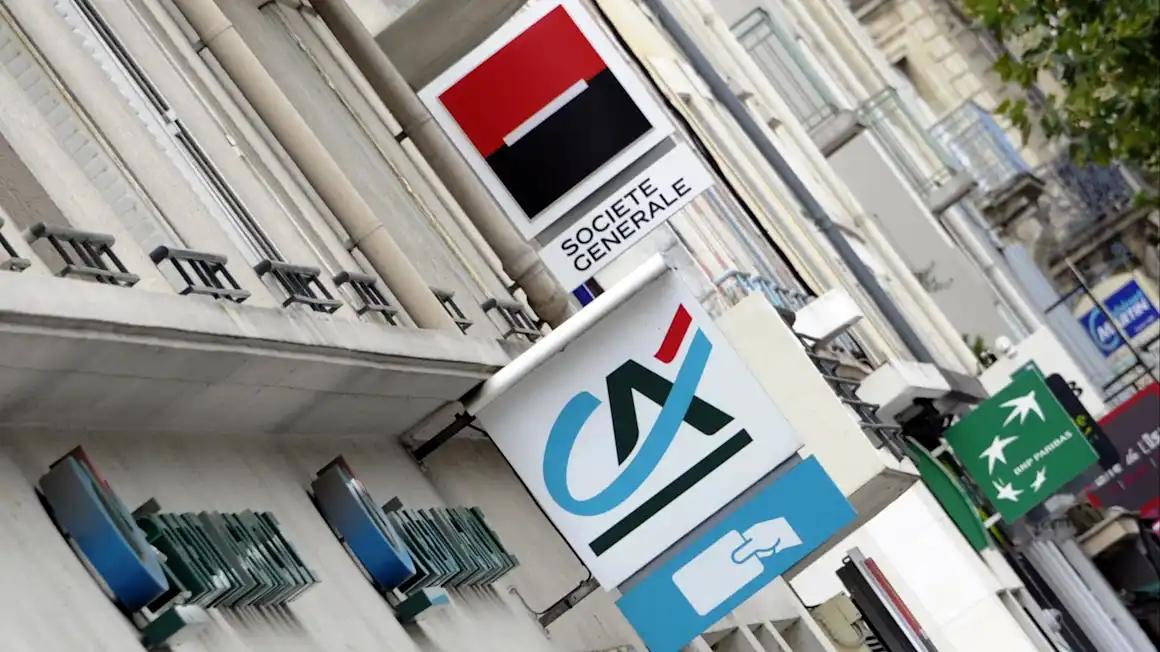
Major French banking institutions have delivered solid financial performance for the third quarter, defying broader market trends that have been weighed down by macroeconomic headwinds. BNP Paribas, Societe Generale, and Credit Agricole, the three largest lenders in France, all reported earnings that indicated resilience in their core business operations. Despite these positive financial indicators, the stocks of these financial giants have continued to face selling pressure from investors who are increasingly nervous about the country's political stability and economic trajectory.
The divergence between strong corporate earnings and declining stock prices highlights a growing disconnect between fundamental business performance and investor sentiment. While the banks have successfully navigated a challenging operating environment to generate profit, the broader market context has overshadowed these achievements. Investors are currently prioritizing risk mitigation over earnings growth, leading to a sell-off that has not been reversed by the positive news flow from the banking sector.
Political and Economic Uncertainty Weighs on Valuations
The primary driver behind the continued sell-off in French bank stocks is the prevailing atmosphere of political and economic uncertainty. France is currently navigating a complex political landscape, which has introduced a level of unpredictability that spooks institutional and retail investors alike. The fear of potential policy shifts, fiscal changes, or governmental instability is causing capital to flow out of French equities, regardless of the underlying strength of individual company balance sheets.
Economic factors further compound these political fears. Concerns regarding France's economic growth prospects, inflation trends, and potential regulatory changes are adding to the caution among investors. The banking sector, being highly sensitive to economic cycles and regulatory environments, is particularly vulnerable to these macroeconomic signals. As a result, even when banks report strong results, the broader narrative of uncertainty dominates market perception, keeping valuations depressed.
This dynamic is not unique to France but reflects a broader trend in European markets where geopolitical and domestic political risks are heavily discounted. Investors are demanding a higher risk premium for holding assets in jurisdictions with perceived instability. For French banks, this means that their strong operational performance is being undervalued by the market, which is pricing in potential future risks that may not materialize in the immediate term.
Outlook and Market Implications
Looking ahead, the performance of French bank stocks will likely remain tethered to developments in the political and economic spheres. Investors are closely monitoring government policies, election outcomes, and economic data releases for signs of stabilization. Until there is a clearer path forward regarding political stability and economic growth, the sell-off in the banking sector may persist, despite strong earnings reports.
The situation underscores the importance of distinguishing between short-term market sentiment and long-term business fundamentals. While the current sell-off may present opportunities for long-term investors who believe in the resilience of the French banking sector, it also highlights the risks associated with investing in markets affected by significant political uncertainty. The coming months will be critical in determining whether the positive earnings trends can eventually translate into stock price recovery or if the fear of political and economic instability will continue to suppress valuations.
Key takeaways
- BNP Paribas, Societe Generale, and Credit Agricole reported strong third-quarter earnings.
- French bank stocks have continued to face sell-off despite positive financial results.
- Investor nerves are driven by political and economic uncertainty in France.
- Market sentiment is currently prioritizing risk mitigation over earnings growth.
- The divergence between earnings and stock prices highlights the impact of macroeconomic fears.





