Diplomatic Tensions Over Escalation Protocols
The diplomatic relationship between Paris and Berlin has entered a critical phase as France pressures Germany to provide explicit clarity on its military doctrines regarding long-range missile deployments. This diplomatic maneuver stems from heightened anxieties within the French government regarding the potential for nuclear escalation if German forces were to engage in deep precision strikes against Russian targets. The request underscores a growing rift in European strategic alignment, with Paris seeking to ensure that Berlin’s actions do not inadvertently trigger a broader conflict that could endanger the entire continent.
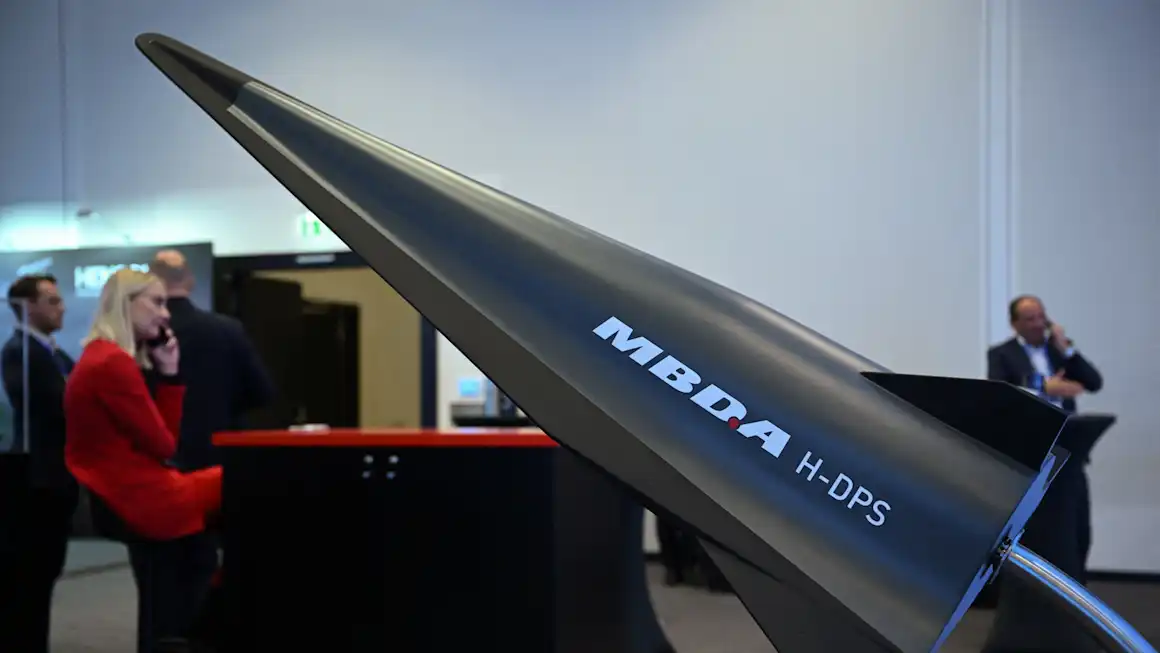
At the heart of the French concern is the concept of 'deep precision strikes,' a military operation that involves launching missiles from significant distances to target high-value assets deep within enemy territory. Paris has asked Berlin to clarify the specific scenarios and thresholds under which it would authorize such operations. The urgency of this inquiry is driven by the fear that without clear red lines and communication protocols, German military actions could be misinterpreted by Moscow as an existential threat, thereby increasing the likelihood of a nuclear response.
French officials have emphasized that the use of long-range missiles by German forces must be carefully calibrated to avoid crossing the nuclear threshold. The French government is worried that a lack of transparency or ambiguous decision-making processes in Berlin could lead to unintended escalation. By demanding a clear framework, Paris aims to establish a unified European stance that minimizes the risk of miscommunication and ensures that any military action is consistent with broader NATO and European security strategies.
The request also highlights the complex web of alliances and obligations that bind European nations in the current geopolitical climate. As Russia continues its military operations in Ukraine, the debate over the extent of Western military support has intensified. France’s move to pressure Germany reflects a broader trend among Western nations to reassess the risks associated with direct military involvement. The fear is that without a coordinated approach, individual nations might take actions that could destabilize the delicate balance of power in Europe.
Strategic Implications for European Security
Berlin’s response to Paris’s demands will be closely watched by allies and adversaries alike. The German government faces the difficult task of balancing its commitment to supporting Ukraine with the need to prevent a direct conflict with Russia. Clarifying its position on deep precision strikes is not just a diplomatic formality but a strategic necessity that could influence the course of the war. If Berlin fails to provide clear answers, it could lead to further diplomatic friction within the European Union and weaken the collective security posture of the West.
The potential for nuclear retaliation remains a central concern in these discussions. While both France and Germany are nuclear powers in their own right, the fear is that a conventional conflict could spiral out of control. French officials have warned that any action taken by Germany must be evaluated in the context of its potential to provoke a nuclear response from Moscow. This concern is not unfounded, given Russia’s stated policies on the use of nuclear weapons in the face of existential threats to the state.
As the situation evolves, the international community will be looking for signs of cohesion among European leaders. The ability of France and Germany to resolve their differences and present a united front is crucial for maintaining deterrence against Russian aggression. Diplomatic channels are likely to remain open as both nations work to align their military and strategic doctrines. The outcome of these negotiations could set a precedent for how European nations coordinate their defense policies in the face of future threats.
Furthermore, the discourse surrounding long-range missile deployments is part of a larger debate on the role of nuclear weapons in modern warfare. The fear of nuclear escalation has led to calls for greater transparency and accountability in military decision-making. France’s pressure on Germany is seen by some analysts as an attempt to establish new norms for the use of force in Europe. These norms could have long-lasting implications for international security architecture and the rules of engagement for NATO members.
Key takeaways
- France has formally asked Germany to clarify the conditions for using deep precision strikes against Russia.
- Paris is concerned that ambiguous German military actions could trigger a nuclear retaliation from Moscow.
- The request highlights growing diplomatic tensions over escalation protocols within the European Union.
- Berlin must balance its support for Ukraine with the risk of direct conflict with Russia.
- The outcome of these diplomatic efforts could set new precedents for European defense coordination.





