Defending Fiscal Discipline Amid Social Unrest
In the wake of ongoing social tensions and widespread protests across France, Finance Minister Roland Lescure has issued a firm directive regarding the state's response to public demands. Lescure explicitly stated that the government must find ways to appease protesters without resorting to additional spending. This stance underscores a critical tension in French politics: the pressure to respond to social grievances versus the imperative to maintain strict fiscal responsibility and control over the national debt.
The comments come at a pivotal moment for the French administration, which is navigating a complex economic landscape. Lescure’s assertion that the state must find "creative solutions" signals a rejection of traditional populist measures that involve expanding the budget deficit. Instead, the Finance Minister is advocating for structural adjustments and non-monetary concessions that can address the core concerns of the protesting populations without exacerbating the country’s financial liabilities.
The Imperative of Budgetary Restraint
Central to Lescure’s argument is the concern that widening the budget deficit would have detrimental long-term consequences for the French economy. By refusing to expand spending, the government aims to preserve its creditworthiness and adhere to European Union fiscal rules, which mandate strict limits on government borrowing. This approach reflects a broader strategy within the French administration to stabilize public finances while managing the immediate political fallout from civil unrest.
Lescure’s position highlights the difficulty of balancing democratic responsiveness with economic pragmatism. The minister’s call for creativity suggests that the government is exploring alternative mechanisms for addressing protester demands, such as regulatory changes, targeted reforms, or improvements in public service delivery that do not require significant new capital outlays. This strategy aims to demonstrate that effective governance does not necessarily equate to increased fiscal burden.
The Finance Minister’s remarks also serve as a warning to political factions and advocacy groups that may be pushing for increased state expenditure as a remedy for social issues. By framing the issue as one of fiscal sustainability, Lescure is attempting to shift the debate away from spending increases and toward more sustainable, long-term solutions. This narrative is designed to reinforce the government’s commitment to economic stability, even in the face of intense public pressure.
Looking Ahead: Policy Implications
As the situation evolves, the government’s ability to implement these "creative solutions" will be closely watched by markets and political observers alike. The success of this approach will depend on the government's capacity to deliver tangible improvements in the lives of citizens without compromising its fiscal targets. Any perceived failure to address the root causes of the unrest could lead to further escalation, while a successful implementation could strengthen the government’s economic narrative.
The current stance of the French finance ministry suggests that future policy announcements will focus on efficiency, reform, and targeted interventions rather than broad-based spending programs. This approach aligns with the broader European trend of prioritizing fiscal consolidation and structural reform in the aftermath of economic shocks and social upheavals. The coming months will be critical in determining whether this strategy can effectively quell public discontent while maintaining economic stability.
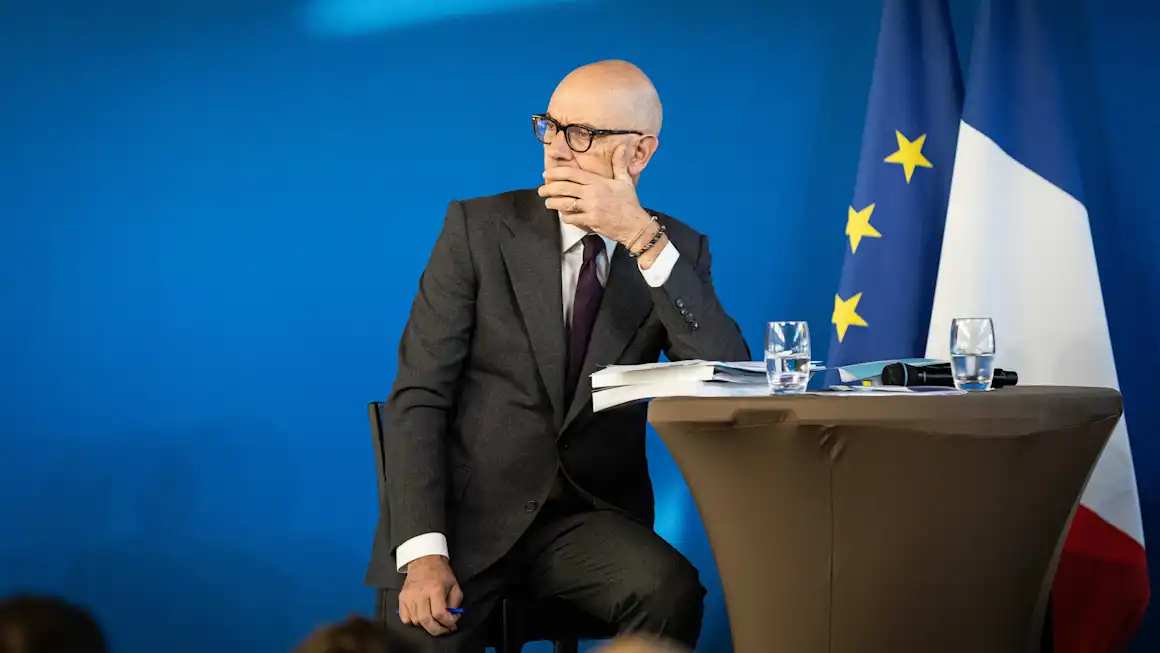
"Roland Lescure says government can come up with creative solutions without widening budget deficit."
Key takeaways
- French Finance Minister Roland Lescure has stated that the government must appease protesters without increasing spending.
- The minister emphasized the need for creative policy solutions that do not widen the national budget deficit.
- The government is prioritizing fiscal discipline and deficit control over expanded financial concessions.
- Lescure's comments reject traditional populist measures that involve significant increases in state expenditure.
- The administration aims to address social unrest through structural adjustments rather than monetary expansion.





