Strategic Shift in European Diplomacy
President Alexander Stubb of Finland has issued a stark critique of the current Western approach to the ongoing conflict in Ukraine, arguing that Europe must take greater ownership of its security and diplomatic future. In a significant shift from the status quo, Stubb urged European leaders to engage in direct talks with Russian President Vladimir Putin, challenging the prevailing narrative that such engagement is futile or dangerous without prior US mediation. This position marks a notable departure from the unified Western stance that has largely deferred to Washington for strategic direction on the war.
The Finnish President’s comments highlight a growing sentiment among some European nations that the current diplomatic framework is unsustainable. By stating that Europe is "outsourcing negotiations to the US," Stubb suggested that this dependency is not only politically imprudent but also strategically irresponsible. The implication is that European security is too closely tied to American political cycles and priorities, which may not always align perfectly with the immediate territorial and security concerns of Eastern European states.
The Case for Direct Engagement
Stubb’s advocacy for direct dialogue does not necessarily signal a desire to appease Moscow but rather a pragmatic acknowledgment of the necessity to manage the conflict’s trajectory. He argued that excluding Russia from direct European-led negotiations limits the potential for a durable peace agreement. The President emphasized that while military support for Ukraine remains a cornerstone of Western policy, diplomatic channels must remain open to explore political solutions that could eventually halt the fighting.
This perspective is rooted in the geographical and historical realities faced by Finland, a nation that shares a long border with Russia and has a complex history of navigating relations with its powerful neighbor. Stubb’s stance reflects the broader security anxieties of Northern Europe, where the threat of Russian aggression is viewed as an immediate and existential concern rather than a distant geopolitical abstract. The call for direct talks is seen by some analysts as a way to reduce the risk of miscalculation and escalation that can occur when major powers communicate through intermediaries.
However, the suggestion of direct negotiations with Putin remains highly controversial. Many Western allies, including key NATO members, have maintained that Russia must first demonstrate a genuine commitment to peace and withdraw from occupied territories before meaningful dialogue can resume. Critics of Stubb’s approach argue that engaging Putin directly without preconditions could legitimize Russian territorial gains and undermine the sovereignty of Ukraine. The debate underscores the deep divisions within Europe regarding how best to balance moral consistency with pragmatic diplomacy.
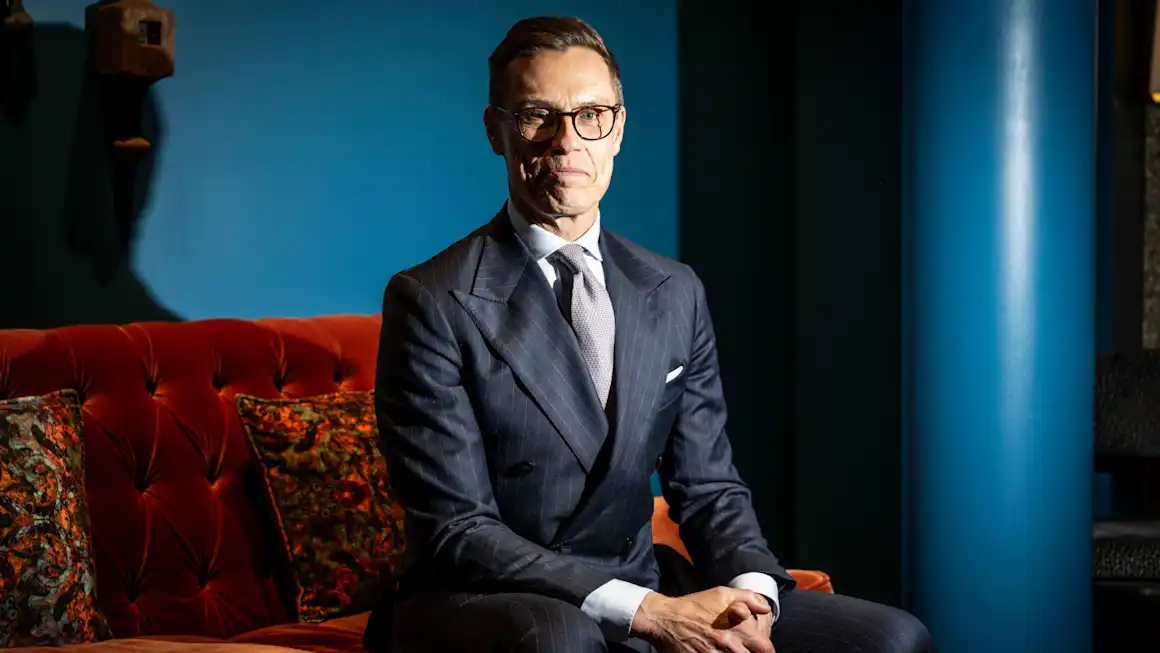
President Alexander Stubb says Europe outsourcing negotiations to US was ‘irresponsible’
Implications for European Unity
The Finnish President’s remarks are likely to reignite debates within the European Union and NATO about the future of transatlantic relations. While the US has been the primary guarantor of European security since World War II, there are growing calls for Europe to develop a more autonomous defense and foreign policy capability. Stubb’s critique adds weight to the argument that European nations must be prepared to make hard diplomatic choices independently, even if it means diverging from US preferences.
What happens next will depend on how other European leaders respond to Stubb’s proposals. If the call for direct talks gains traction, it could lead to the formation of new diplomatic initiatives aimed at engaging Moscow directly. Conversely, it may also lead to a firmer consolidation of Western unity, with leaders reaffirming their commitment to a coordinated approach led by Washington. The outcome will significantly influence the trajectory of the war in Ukraine and the broader security architecture of Europe.
As the conflict enters a prolonged phase, the pressure on European leaders to find a political solution is intensifying. Stubb’s intervention highlights the urgent need for a coherent European strategy that balances military support with diplomatic engagement. Whether Europe chooses to pursue direct negotiations with Putin or maintain its current course will define the region’s role in shaping the post-war order.
Key takeaways
- Finland's President Alexander Stubb has criticized Europe's reliance on the US for diplomatic negotiations regarding the war in Ukraine.
- Stubb described the practice of outsourcing negotiations to the United States as 'irresponsible' and detrimental to European interests.
- The Finnish President is urging European leaders to establish direct dialogue channels with Russian President Vladimir Putin.
- This stance reflects growing concerns in Northern Europe about the alignment of US and European security priorities.
- The proposal has sparked debate over the balance between maintaining Western unity and pursuing independent diplomatic solutions.





