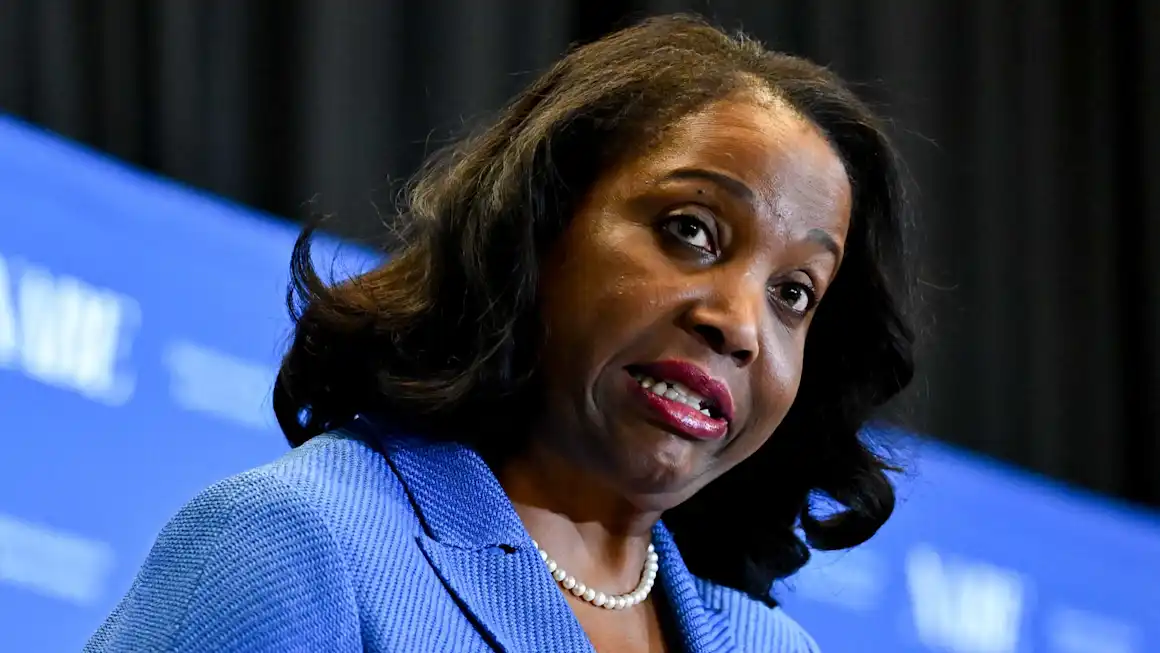
Refusal to Appear
Federal Reserve Governor Lisa Cook has officially declined an invitation to attend a hearing convened by President-elect Donald Trump. The refusal comes amid a broader political friction between the incoming administration and the Federal Reserve regarding monetary policy decisions and the central bank's operational autonomy. Cook stated that participating in the proposed session would be inappropriate given the nature of the proceedings.
The House Financial Services Committee, under the leadership of Republican representative French Hill, had scheduled the hearing to question Fed officials about recent interest rate cuts and the economic outlook. However, Cook’s decision to boycott the event signals a significant escalation in tensions between the legislative branch and the central bank.
Concerns Over Independence
In a formal statement, Governor Cook argued that attending the hearing would endanger the Federal Reserve's unique status and independence. She characterized the proceedings as unfair, suggesting that the political climate surrounding the event compromises the neutral, technocratic nature expected of central bank governance. This stance highlights ongoing concerns among economists and policymakers about political interference in monetary policy.
Cook’s refusal is not an isolated incident but part of a growing narrative where Fed officials are increasingly cautious about engaging with political entities that may have conflicting agendas. The central bank has long maintained that its decisions should be based on data and economic indicators rather than political pressure. By citing the threat to independence, Cook reinforces the institution’s commitment to remaining insulated from direct political influence.
The timing of this refusal is particularly notable given the transition of power. President-elect Trump has previously criticized the Federal Reserve, particularly under former Chair Jerome Powell, for keeping interest rates too high for too long. His administration’s approach to monetary policy is expected to be more interventionist, raising questions about how Fed officials will navigate these pressures while maintaining their statutory mandate.
Broader Implications
The standoff between Cook and the House committee underscores the delicate balance the Federal Reserve must strike in a politically charged environment. While the Fed is an independent agency, it is ultimately accountable to Congress. However, that accountability does not extend to subjecting governors to politically motivated hearings that may lack procedural fairness.
Market observers are watching closely to see how this dispute will impact investor confidence. The Federal Reserve’s credibility relies heavily on its perceived independence. Any perception that the central bank is subject to political coercion could affect bond yields, currency values, and overall market stability. Investors are likely to scrutinize future Fed communications for signs of political influence or internal discord.
Furthermore, this incident may set a precedent for future interactions between the Fed and Congress. If lawmakers continue to convene hearings that Fed officials deem unfair or threatening to independence, it could lead to further boycotts or legal challenges. The outcome of this situation could reshape the relationship between the central bank and the legislative branch for years to come.
Key takeaways
- Federal Reserve Governor Lisa Cook has refused to attend a hearing convened by President-elect Donald Trump.
- Cook cited the unfair nature of the proceedings and the potential danger to the Fed's independence as reasons for her refusal.
- The dispute highlights growing tensions between the incoming administration and the Federal Reserve over monetary policy.
- The Fed maintains that its decisions must remain free from political interference to ensure economic stability.
- Investors are monitoring the situation closely for any impact on market confidence and central bank credibility.





