Surprise Inflation Surge Sparks Alarm
The latest consumer price index (CPI) report, released for the month of October, has delivered a significant shock to financial markets and Federal Reserve policymakers. The data revealed that inflation rose more than economists and analysts had anticipated, challenging the narrative that price pressures were steadily dissipating. This unexpected uptick has raised immediate alarms among officials at the central bank, who are currently navigating a delicate balance between controlling inflation and maintaining economic stability.
The core issue lies in the magnitude of the increase relative to forecasts. When actual inflation data exceeds expectations, it suggests that underlying price pressures are more entrenched than previously thought. This deviation from projected trends complicates the Federal Reserve's ability to predict future economic conditions and adjust its policy stance with precision. The surprise element of the October report has therefore become a focal point for discussions regarding the urgency and magnitude of future monetary interventions.
Goolsbee's Stark Warning
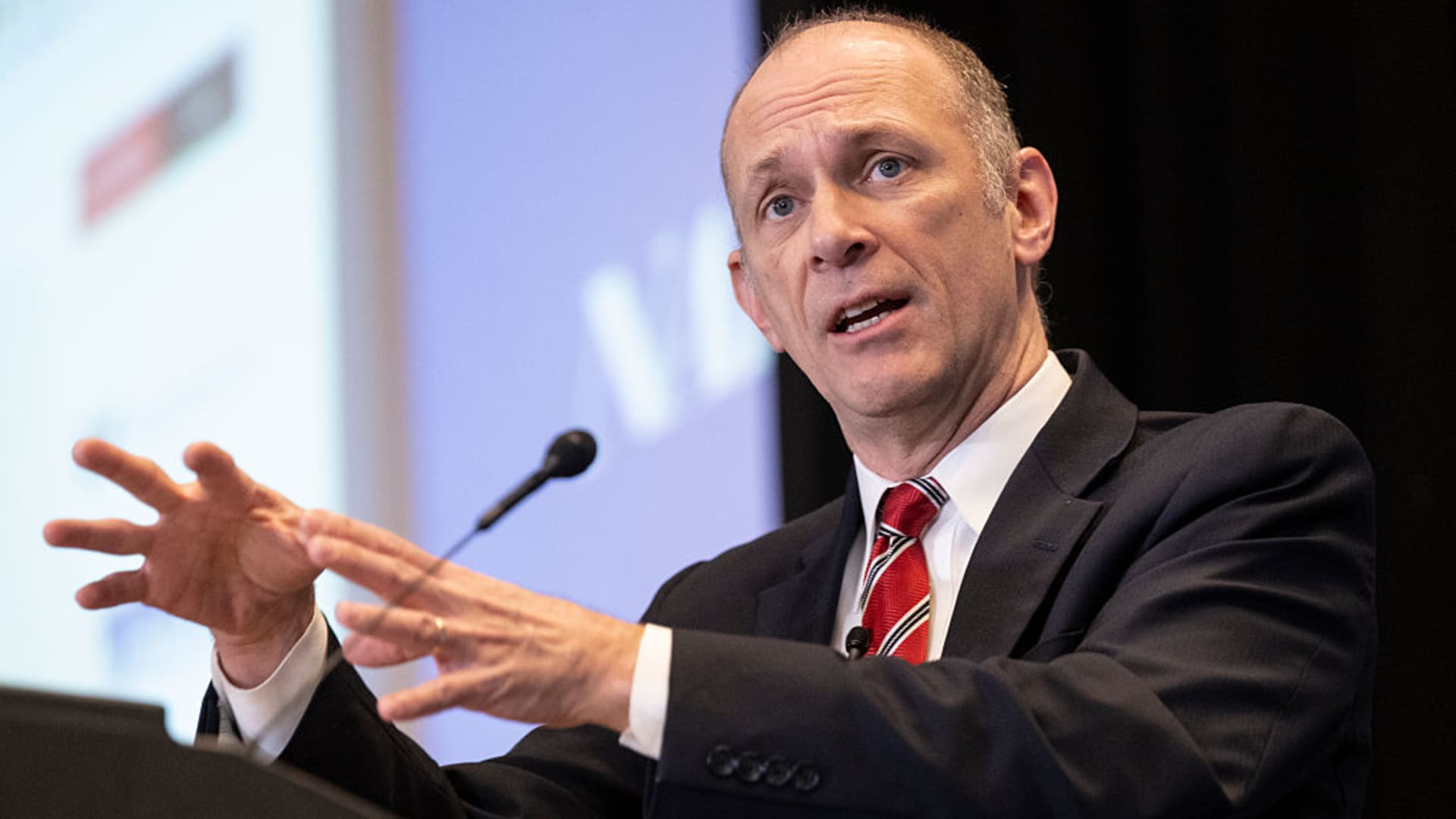
Austan Goolsbee, a member of the Federal Reserve Board of Governors, did not mince words when addressing the new data. In public comments following the release of the report, Goolsbee characterized the inflation figures as 'borderline disturbing.' This strong language underscores the gravity with which Fed officials view the persistence of high inflation. His remarks indicate that the central bank is taking the latest data seriously and is likely to consider it a critical factor in upcoming policy decisions.
Goolsbee's assessment adds weight to the argument that the Federal Reserve may need to maintain or even increase its restrictive monetary policy stance. The term 'disturbing' in this context reflects a sense of urgency and concern that inflation is not cooling at the pace required to meet the Fed's 2 percent target. Such strong rhetoric from a voting member of the Federal Open Market Committee (FOMC) often signals a hawkish leaning, suggesting that officials are prepared to act decisively to bring prices under control.
Weighing Future Rate Hikes
As the Federal Reserve weighs its next steps, the October CPI report has become a pivotal piece of evidence in the debate over interest rate adjustments. The central bank has been engaged in a campaign of rate hikes to combat inflation, but the question remains whether current levels are sufficient. The 'borderline disturbing' nature of the latest data suggests that the job is not yet done, and that additional tightening may be necessary to prevent inflation from becoming entrenched in the economy.
Market participants are now closely monitoring subsequent economic indicators and Fed communications for signs of a policy shift. The possibility of more rate hikes is no longer a distant scenario but a tangible outcome of the current inflationary environment. Investors and businesses are adjusting their strategies to account for the potential of higher borrowing costs for a longer period, which could impact everything from mortgage rates to corporate investment plans.
Implications for the Economic Outlook
The reaction to the October inflation data highlights the ongoing challenges facing the U.S. economy. Persistent inflation erodes purchasing power and can lead to a wage-price spiral if not addressed. For the Federal Reserve, the challenge is to implement policies that cool demand without triggering a severe economic downturn or recession. The 'borderline disturbing' label applied by Goolsbee suggests that the margin for error is shrinking, and that the central bank must act with caution and precision.
Looking ahead, the focus will be on whether subsequent reports show a reversal of this trend or if the inflationary pressures continue to build. The Federal Reserve's next meetings will be scrutinized for clues on how the 'borderline disturbing' data will influence the consensus among policymakers. The path forward will likely involve a series of data-dependent decisions, with each new report carrying significant weight in shaping the trajectory of monetary policy.
Key takeaways
- The October consumer price index rose more than expected, surprising economists and analysts.
- Federal Reserve Governor Austan Goolsbee described the inflation data as 'borderline disturbing.'
- The unexpected increase in inflation has raised alarms among central bank officials.
- The Federal Reserve is currently weighing the necessity of additional interest rate hikes.
- Goolsbee's strong comments suggest a hawkish stance on controlling persistent inflation.





