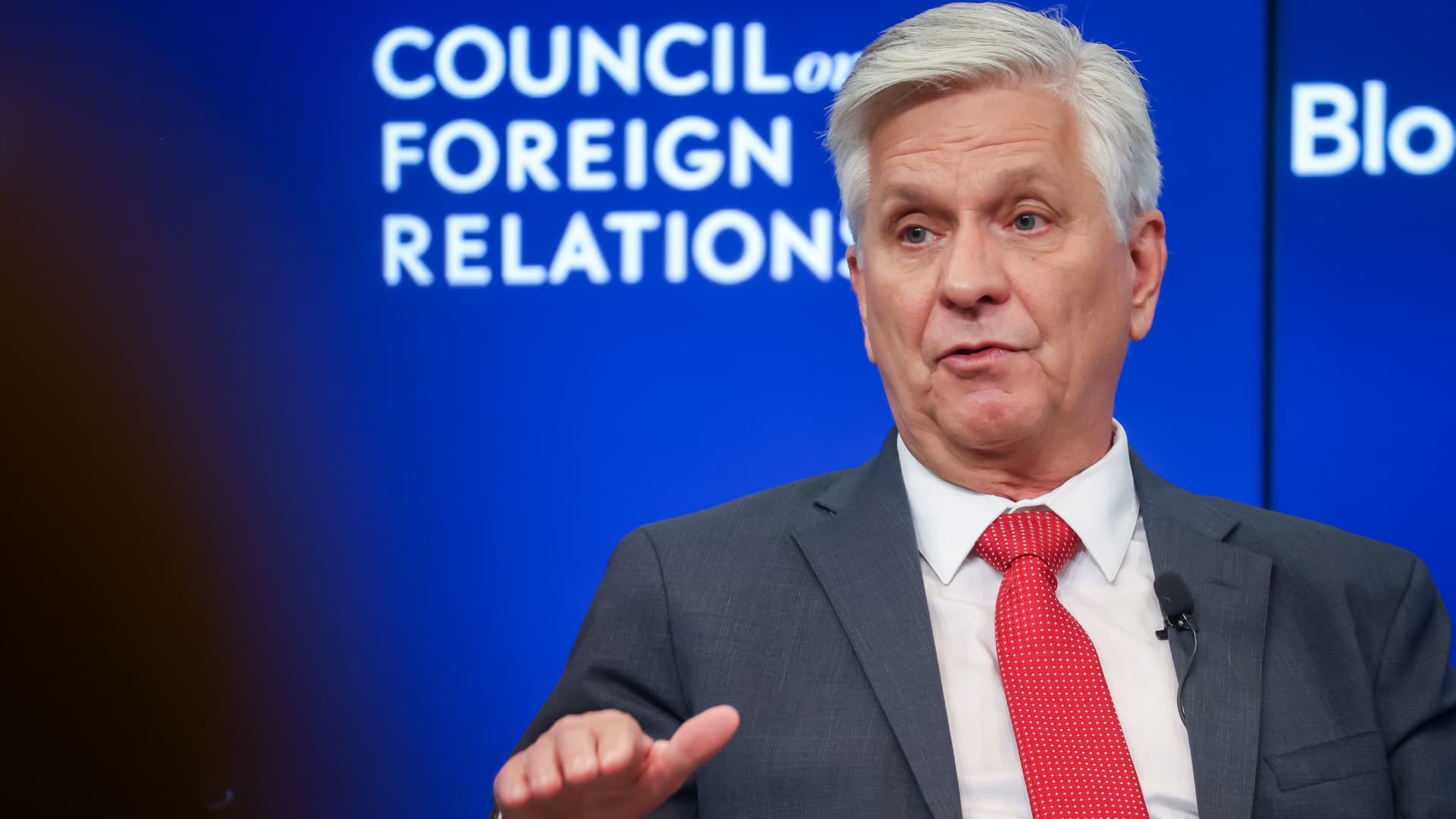
Waller’s Lean Toward a December Increase
Federal Reserve Governor Christopher Waller has signaled that policymakers are leaning toward raising interest rates at the upcoming December meeting. In remarks addressing the central bank's monetary policy trajectory, Waller stated that he "is leaning toward" a rate increase, marking a significant shift in tone as the Fed continues its aggressive campaign to combat persistent inflation. This stance suggests that the central bank views further tightening as necessary to bring price growth back to its target level.
The Governor’s comments come at a critical juncture for the U.S. economy, where inflation remains above the Fed's 2% target. By indicating a preference for action in December, Waller underscores the likelihood that the Federal Open Market Committee (FOMC) will continue its tightening cycle, albeit potentially with a recalibration of pace based on recent economic indicators. This approach aligns with the broader consensus among policymakers that inflationary pressures have not yet been fully subdued.
Half-Point Hike Depends on Data
While a rate hike appears probable, the specific magnitude of the increase remains under consideration. Waller explicitly noted that he could support a half-point (50 basis points) increase, depending on how inflation data evolves. This conditional support highlights the data-dependent nature of the Fed's decision-making process, where each meeting is influenced by the latest consumer price reports and economic growth figures.
"The policymaker said he 'is leaning toward' a rate increase in December and could support a half-point hike depending on inflation data."
The possibility of a half-point hike reflects the ongoing tension between curbing inflation and avoiding unnecessary damage to economic growth. A smaller increase, such as 25 basis points, might be favored if inflation shows signs of cooling, while a larger move would be warranted if price pressures remain stubborn. Waller’s openness to both scenarios indicates that the Fed is prepared to adjust its strategy dynamically rather than adhering to a rigid schedule.
Implications for Markets and the Economy
Wallace’s comments carry significant implications for financial markets and borrowers. Higher interest rates increase the cost of borrowing for consumers and businesses, which can dampen spending and investment. For investors, the prospect of continued rate hikes often leads to volatility in equity and bond markets, as higher yields make fixed-income assets more attractive relative to stocks.
The central bank’s focus on inflation data means that upcoming economic reports will be closely scrutinized by market participants. Any deviation from expected inflation figures could influence the Fed’s decision on the size of the December hike. This environment creates a high-stakes scenario where the Fed must balance its dual mandate of maximum employment and price stability.
As the December meeting approaches, all eyes will be on inflation metrics, including the Consumer Price Index (CPI) and Personal Consumption Expenditures (PCE) data. These indicators will provide the necessary context for the FOMC to determine whether a 25-basis-point or 50-basis-point increase is the most appropriate course of action. The Fed’s ability to navigate this tightrope will be crucial in determining the future path of monetary policy and the overall health of the U.S. economy.
Key takeaways
- Federal Reserve Governor Christopher Waller indicated a lean toward raising interest rates in December.
- Waller stated he could support a half-point rate hike if inflation data warrants it.
- The decision will be heavily influenced by upcoming inflation reports and economic data.
- Markets are closely watching the Fed for signals on the pace of future tightening.





