Market Expectations Align with Stability
As the Federal Reserve prepares for its upcoming policy meeting, financial markets have reached a near-unanimous consensus that the central bank will hold interest rates steady. This expectation follows the Fed's decision in September, where the benchmark rate was increased. The overwhelming market consensus suggests that investors believe the current monetary policy stance is sufficient for the immediate future, with no significant shifts anticipated in the short term.
The pricing of federal funds futures and other interest rate derivatives indicates that the probability of a rate cut or hike is minimal, with the vast majority of traders and analysts projecting a hold. This stability in market expectations reflects a period of cautious observation, as economic participants await clearer signals from Federal Reserve officials regarding the trajectory of inflation and employment data.
Warsh's Hawkish Signal
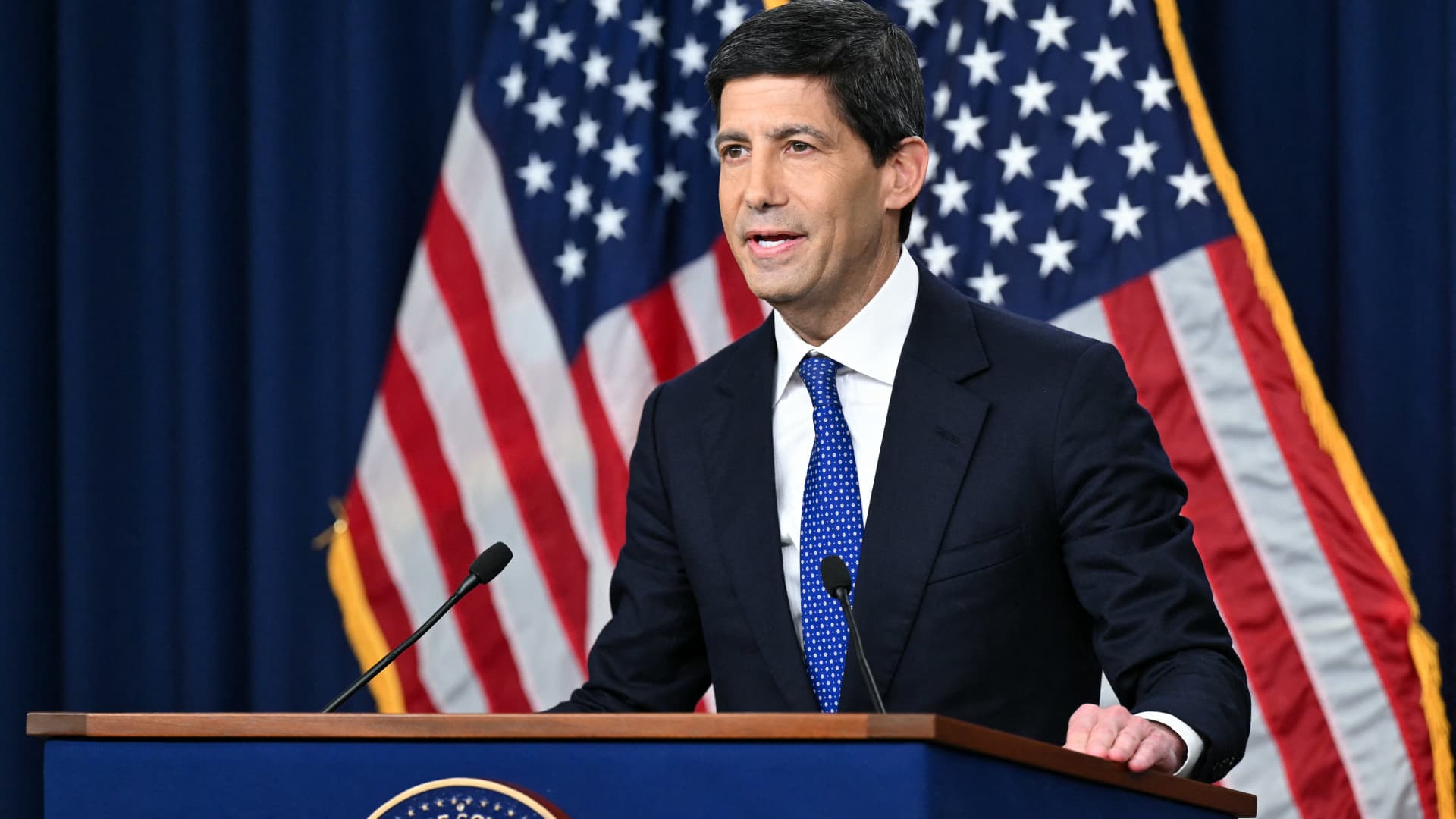
Despite the market's expectation of a pause, attention is turning toward Michelle Warsh, the incoming Governor of the Federal Reserve Board. Warsh is expected to use her platform to articulate a more hawkish stance, potentially pointing the way toward additional rate hikes in the coming months. Her remarks are closely watched by investors who seek to understand the internal dynamics of the Fed's decision-making process and the varying views among its governors.
Warsh's anticipated comments suggest that while the immediate decision may be to hold rates, the central bank's fight against inflation is not yet over. By signaling the possibility of more hikes, Warsh could be attempting to manage market expectations and ensure that the Fed maintains its credibility in bringing inflation down to its target level. This divergence between market expectations of a hold and the potential for future hikes from key officials creates a complex narrative for investors to navigate.
The introduction of a new governor with a distinct perspective can influence the broader policy debate within the Federal Reserve. Warsh's views on the necessity of continued tightening will be scrutinized for clues about the majority's direction. If her hawkish outlook gains traction among her peers, it could alter the timeline for when the Fed eventually begins to ease monetary policy.
Implications for the Economic Landscape
The interplay between market expectations of stability and the potential for future hikes from officials like Warsh highlights the uncertainty surrounding the end of the current tightening cycle. While markets have priced in a hold for the immediate future, the possibility of additional increases remains on the table, depending on incoming economic data and the evolving views of Fed officials.
Investors are closely monitoring inflation reports, employment figures, and GDP growth data to gauge the Fed's next moves. Any deviation from expected trends could shift the balance of power within the central bank and lead to more aggressive policy actions than currently anticipated. The Fed's ability to communicate its strategy clearly will be crucial in preventing market volatility and ensuring that economic conditions remain stable.
The upcoming announcement will serve as a critical test of the Fed's credibility and the effectiveness of its current policy stance. If Warsh's hawkish signals are reflected in subsequent statements from other governors, it could lead to a re-pricing of assets as investors adjust their expectations for the duration and intensity of the high-interest-rate environment.
Key takeaways
- Markets overwhelmingly expect the Federal Reserve to hold benchmark interest rates steady at the upcoming meeting.
- The expectation of a hold follows the Fed's decision to increase rates in September.
- Incoming Governor Michelle Warsh is anticipated to signal that more rate hikes may be necessary.
- Warsh's hawkish stance suggests the Fed's fight against inflation is not yet complete.
- Investors are closely watching for signs of additional tightening despite the immediate expectation of a hold.





