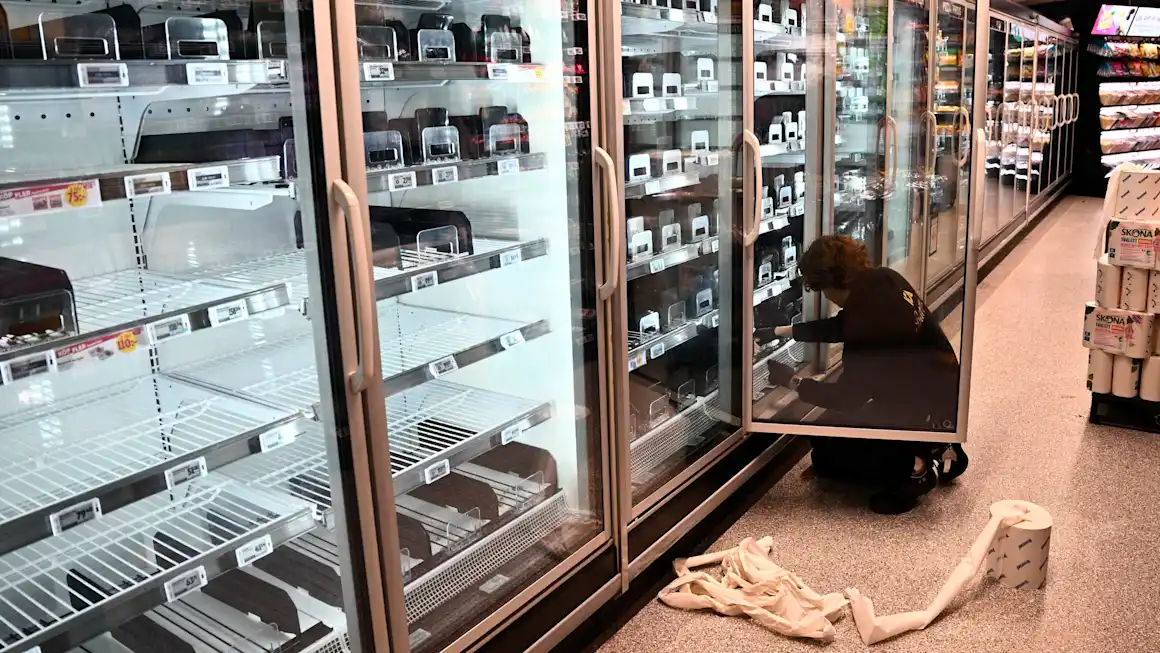
Critical Temperature Failures Across Multiple Nations
Retail operations across several European nations have been disrupted by significant technical failures affecting cold storage infrastructure. Supermarkets in Sweden and Belgium have reported that their freezer units are overheating to alarming degrees. In dozens of store locations, temperature readings have spiked to as high as 55 degrees Celsius. This extreme heat poses an immediate threat to the integrity of frozen goods, which typically require storage at temperatures well below zero to remain safe for consumption.
The incidents have drawn attention due to their geographic spread and the severity of the equipment malfunction. While the exact scope of the damage is still being assessed by local authorities and retail operators, the convergence of these failures in distinct markets suggests a systemic issue rather than isolated mechanical breakdowns. The rapid escalation of temperature in these units indicates a complete cessation of cooling functions, leaving perishable inventory vulnerable to spoilage within hours.
Link to French Cyber Incident
Industry analysts and security experts are connecting these physical infrastructure failures to a recent cyber attack targeting a major French retail group. The timing of the overheating events, occurring just weeks after the initial breach in France, has raised concerns about potential cross-border impacts or shared vulnerability in supply chain management systems. The French retailer, which is a significant player in the European grocery sector, fell victim to a sophisticated digital intrusion that compromised its internal networks.
Although the specific mechanism by which a cyber attack on a French entity could cause physical hardware failure in Swedish and Belgian stores is under investigation, the correlation has not been lost on market observers. The incident highlights the increasing interconnectivity of European retail infrastructure and the potential for digital threats to manifest in physical operational disruptions. Security firms are currently examining whether the attack involved manipulation of remote monitoring systems or supply chain logistics platforms that control environmental settings in cold storage units.
The broader implications of this event extend beyond immediate inventory loss. The reliance on centralized digital systems for managing critical infrastructure such as temperature control in supermarkets creates a single point of failure that can be exploited by malicious actors. This incident serves as a stark reminder of the vulnerabilities inherent in modern, digitally integrated retail operations. As retailers continue to adopt smart technologies for efficiency and inventory management, the risk of cyber-physical attacks grows.
Regulatory bodies in the affected countries are likely to review the incident to determine if existing cybersecurity standards for critical infrastructure were met. The European Union has been actively working on strengthening digital resilience across member states, and this event may accelerate calls for more robust regulations regarding the security of essential service providers. The incident also underscores the importance of having redundant physical systems in place to mitigate the impact of digital failures.
As the investigation continues, retailers are advised to audit their own systems for similar vulnerabilities. The incident in France has sent shockwaves through the industry, prompting a reevaluation of risk management strategies. Companies are increasingly looking at how to balance the benefits of digital integration with the need for operational resilience. The coming weeks will likely see increased spending on cybersecurity measures as the sector responds to this unprecedented challenge.
Operational and Market Impact
The immediate consequence of these freezer failures is the potential loss of significant inventory. Frozen foods, including meat, seafood, and prepared meals, must be discarded if exposed to temperatures above freezing for extended periods. This results in direct financial losses for the retailers and potential shortages for consumers. The cost of replacing spoiled goods and repairing or replacing damaged freezer units adds to the operational burden.
Furthermore, the incident has raised questions about consumer confidence in the safety of frozen products. While the risk of foodborne illness from properly stored frozen goods is low, the perception of safety can be easily undermined by reports of temperature fluctuations. Retailers must work to reassure customers that the affected products were removed from shelves and that strict safety protocols are being enforced. Transparency in communication will be crucial in maintaining brand trust.
The broader market impact remains to be seen. Investors in the retail sector are closely monitoring the situation for signs of systemic weakness. If the cyber attack is found to have compromised multiple retailers through a shared vendor or platform, the ripple effects could be significant. Conversely, if the incidents are isolated, the market may view this as a contained event with limited long-term consequences. The outcome of the investigation will play a pivotal role in shaping future investment decisions and risk assessments.
Key takeaways
- Supermarkets in Sweden and Belgium report freezer units overheating to 55C in dozens of stores.
- The failures occurred just weeks after a cyber attack on a major French retail group.
- Industry experts are investigating potential links between the digital breach and physical infrastructure failures.
- The incident highlights vulnerabilities in digitally integrated retail cold storage systems.
- Regulatory bodies may review cybersecurity standards for critical infrastructure providers.
- Retailers are urged to audit their systems for similar vulnerabilities following the incident.





