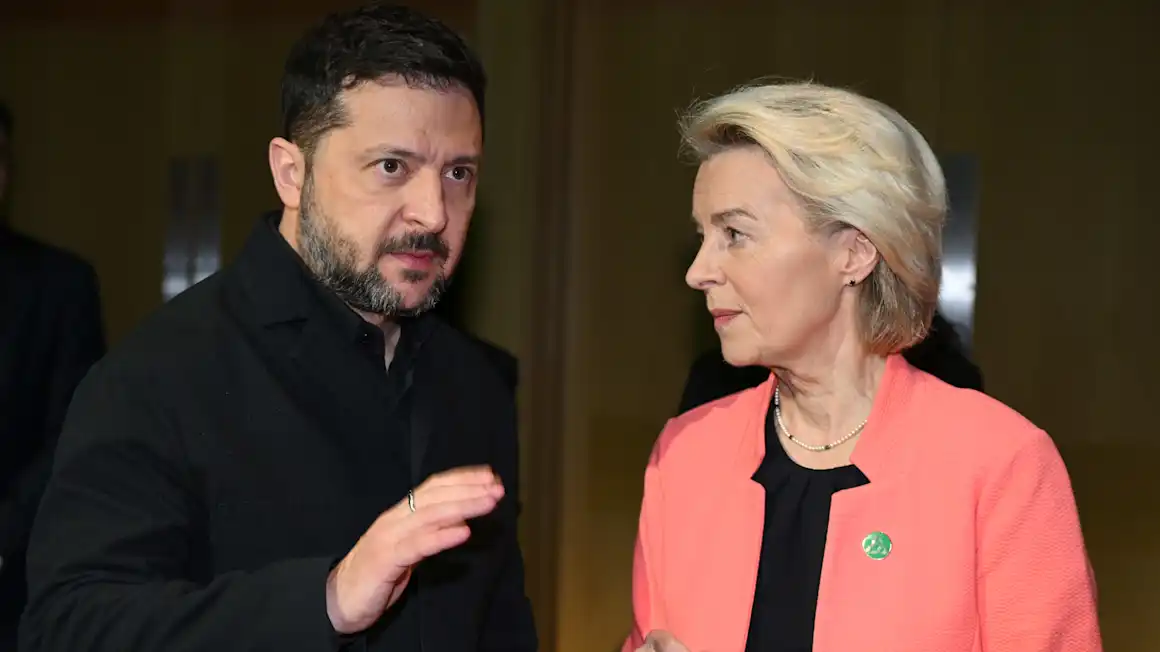
Diplomatic Deadlock in Abu Dhabi
European leaders have collectively rejected a Russian initiative aimed at fundamentally overhauling the security framework governing the European continent. The rejection underscores a deepening rift between Western nations and Moscow regarding the future of continental stability and defense protocols. The diplomatic discussions took place against the backdrop of ongoing tensions in the region, with European officials maintaining that any security arrangement must respect the sovereignty and territorial integrity of nations involved.
The talks occurred in Abu Dhabi, a neutral ground often utilized for high-level international diplomacy. During these sessions, representatives from various European nations conveyed their unified stance that the proposed Russian changes to the security architecture were unacceptable. The European delegation emphasized that the current security model, while imperfect, provides a necessary foundation for peace and stability that cannot be dismantled or rewritten by one party without the consent of all stakeholders.
Zelenskyy’s Warning
Ukrainian President Volodymyr Zelenskyy issued a stark warning following the Abu Dhabi talks, stating that 'Europe needs to pay attention.' His comment highlights the urgency felt by Kyiv regarding the outcomes of these diplomatic maneuvers. Zelenskyy’s intervention serves as a reminder that the decisions made by European leaders have direct and immediate consequences for Ukraine, which is at the center of the current security crisis.
The President’s remarks suggest that the European response to Russian proposals may not be sufficient or rapid enough to address the evolving threat landscape. By calling for heightened awareness, Zelenskyy is urging European capitals to remain vigilant and cohesive in their defense strategies. This appeal comes at a critical juncture, as the continent grapples with the implications of a potential shift in the balance of power and security commitments.
The rejection of the Russian push is not merely a diplomatic formality but a strategic decision to maintain the status quo of European security arrangements. European leaders have indicated that they will continue to support existing alliances and defense pacts, viewing them as essential components of regional stability. The unified front presented by European nations signals a determination to resist external pressures that could undermine the collective security framework.
Implications for Continental Security
The fallout from the Abu Dhabi talks is likely to influence future diplomatic engagements and defense planning across Europe. The rejection of Russian proposals reinforces the divide between the West and Moscow, potentially leading to increased military spending and enhanced defense cooperation among European nations. The focus is now shifting towards strengthening existing security structures rather than exploring new frameworks that might accommodate Russian demands.
Analysts suggest that the European stance will likely harden further in response to any continued Russian attempts to alter the security landscape. The emphasis on sovereignty and territorial integrity serves as a red line for many European governments, which are unwilling to compromise on these fundamental principles. As a result, the continent is moving towards a more fortified security posture, with greater integration of defense capabilities and intelligence sharing.
The situation remains dynamic, with all parties closely monitoring the next steps in the diplomatic process. The rejection of the Russian security overhaul marks a significant moment in the ongoing geopolitical struggle, setting the stage for continued tension and potential escalation. European leaders have made it clear that they will not engage in security arrangements that do not fully respect the interests and safety of the continent’s nations.
Key takeaways
- European leaders have collectively rejected Russian proposals to overhaul the continent's security architecture.
- Ukrainian President Volodymyr Zelenskyy warned that 'Europe needs to pay attention' following talks in Abu Dhabi.
- The diplomatic discussions in Abu Dhabi highlighted a unified European stance against Russian security demands.
- Zelenskyy’s remarks emphasize the urgency and direct impact of European decisions on Ukraine.
- European nations are reinforcing existing defense alliances rather than adopting new frameworks proposed by Russia.





