Rising Threats to Critical Infrastructure
The European Union’s High Representative for Foreign Affairs and Security Policy has issued a urgent directive stating that Europe must not accept 'hybrid' warfare as a normal state of affairs. This warning comes in the immediate wake of a significant increase in attempted sabotage and arson attacks directed at defence facilities, airports, and other critical infrastructure nodes throughout the continent. The surge in these incidents has prompted a reevaluation of how EU member states perceive and respond to non-traditional security threats that do not involve conventional military force.
The term 'hybrid warfare' encompasses a broad spectrum of hostile activities that fall below the threshold of declared war but are designed to destabilize societies and undermine democratic institutions. These tactics often include cyberattacks, disinformation campaigns, economic coercion, and the deliberate targeting of physical infrastructure. The recent wave of attacks on airports and defence-related sites suggests a coordinated effort to test the resilience of European security frameworks and erode public confidence in the ability of state institutions to protect essential services.
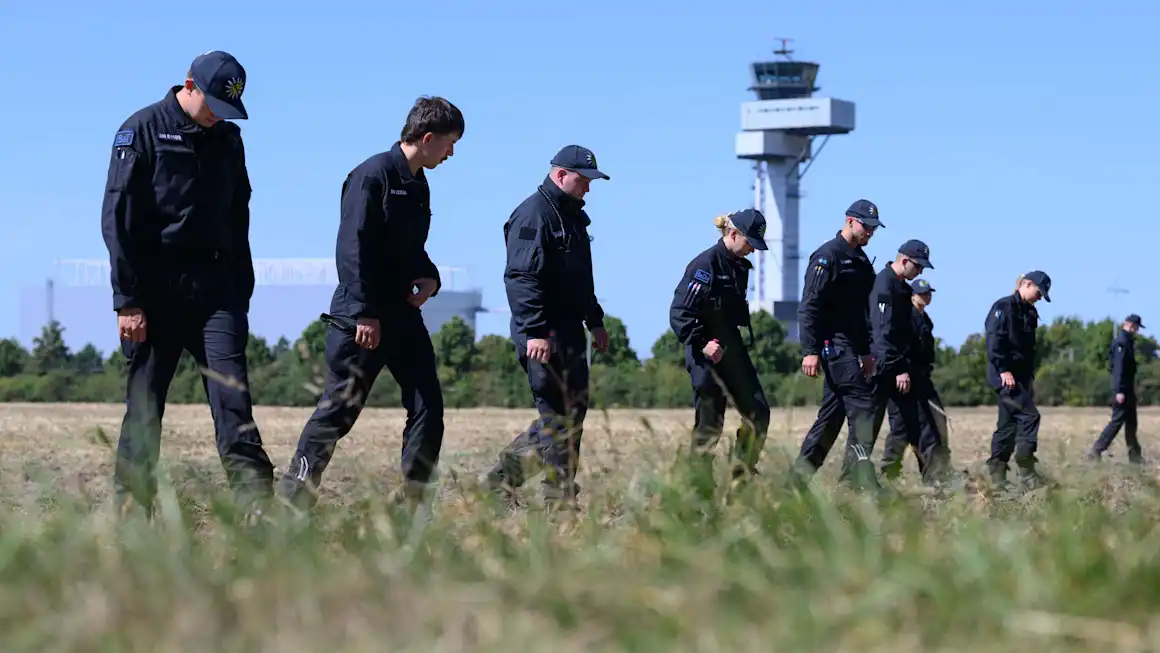
According to reports, the incidents have targeted both civilian and military assets, highlighting the vulnerability of the interconnected systems that modern economies rely upon. Airports, as critical hubs for travel and commerce, have become frequent targets, with several attempts at arson recorded in recent weeks. These attacks, while not always resulting in catastrophic damage, serve as a stark reminder of the fragility of supply chains and the potential for disruption in daily life. The focus on defence facilities further indicates an intent to compromise the operational readiness of national militaries and joint EU defence initiatives.
Implications for European Security Policy
The defence chief’s comments underscore a growing consensus within EU leadership that the continent is in a state of heightened tension, even without formal declarations of conflict. The normalization of such attacks poses a significant risk, as it may lead to a desensitization of public opinion and policy responses. If hybrid warfare tactics are accepted as routine, the threshold for triggering robust defensive and retaliatory measures may be raised, potentially emboldening adversaries to escalate their activities.
Member states are now facing pressure to enhance their physical and cyber security protocols for critical infrastructure. This includes strengthening perimeter security at airports, improving surveillance systems, and increasing coordination between national intelligence agencies and EU bodies. The goal is to create a more resilient network of defences that can detect and deter sabotage attempts before they cause significant harm. However, the decentralized nature of EU defence policy means that responses may vary significantly from one country to another, creating potential gaps in the overall security architecture.
Analysts suggest that the attacks may be part of a broader strategy by external actors to exhaust European resources and create political discord among member states. By targeting high-profile infrastructure, adversaries aim to generate fear and uncertainty, which can be leveraged for political gain or to distract from other strategic objectives. The EU’s response will likely involve a combination of increased funding for security upgrades, enhanced intelligence sharing, and diplomatic efforts to identify and isolate the perpetrators of these acts.
What Happens Next
As the investigation into these incidents continues, EU officials are expected to release more detailed assessments of the threats and the measures being taken to counter them. The coming months will be critical in determining whether the EU can present a unified front against hybrid warfare tactics or if internal divisions will hinder a cohesive response. The defence chief’s warning serves as a call to action for both policymakers and the public to remain vigilant and to support the strengthening of European security institutions.
The focus will likely shift towards implementing long-term strategies that integrate physical security with cyber defence capabilities. This may include the development of new regulatory frameworks for critical infrastructure protection and increased investment in research and development for defensive technologies. The EU is also expected to deepen its partnerships with NATO and other international allies to ensure a coordinated approach to countering hybrid threats.
Key takeaways
- The EU’s top defence official warns that hybrid warfare tactics must not be normalized across member states.
- There has been a documented surge in attempted sabotage and arson attacks on defence facilities and airports.
- Critical infrastructure is increasingly viewed as a primary target in non-traditional security threats.
- European leaders are calling for enhanced security protocols and greater inter-agency coordination.
- The attacks highlight the vulnerability of interconnected economic and military systems to destabilization.





