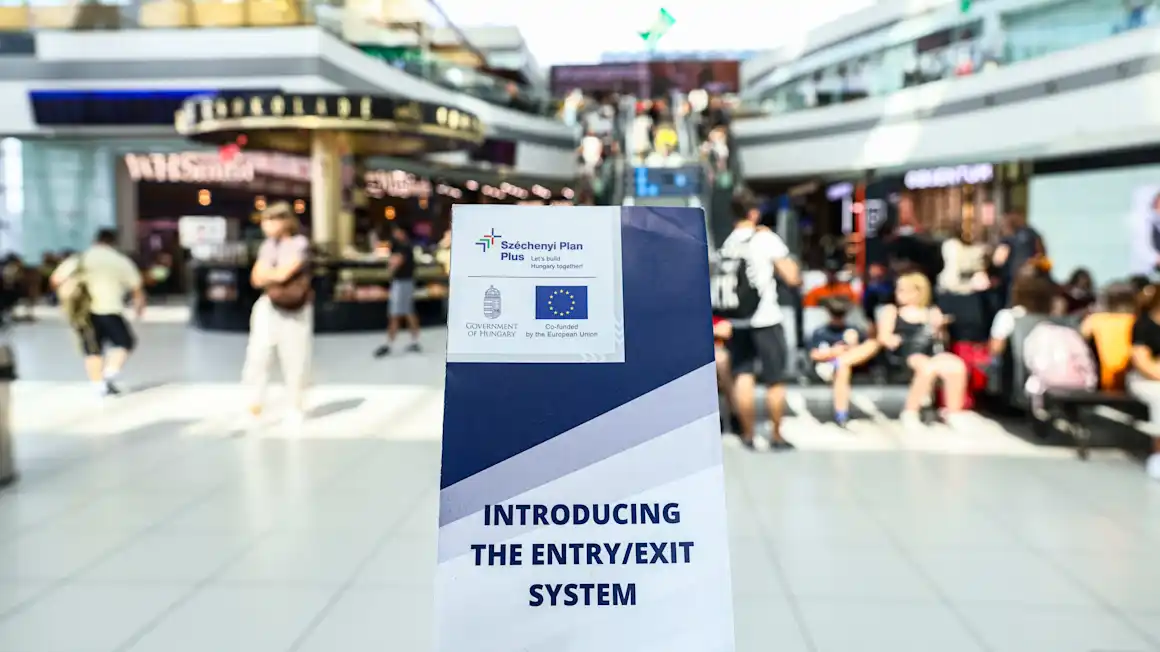
Legal Proceedings Commence in Tallinn
The European Commission has officially initiated legal proceedings against IBM and its consortium partners regarding the troubled development of the Entry/Exit System (EES). The lawsuit was filed in the Tallinn Circuit Court in Estonia, marking a significant escalation in the dispute between the EU institution and the technology contractors responsible for building the border management infrastructure. This legal action underscores the severity of the project's ongoing challenges and the Commission's determination to seek remedies for the repeated delays that have plagued the initiative.
At the heart of the dispute is the EES, a planned automated system designed to register non-EU nationals crossing the EU's external borders. The system aims to replace manual passport stamping with digital registration, enhancing border security and facilitating the monitoring of stay durations for third-country nationals. The contract for the development of this critical infrastructure was awarded to IBM and its partners, who were tasked with delivering a fully functional system within a specified timeframe. The failure to adhere to these timelines has now resulted in formal litigation.
Background of the System and Contractual Obligations
The Entry/Exit System is a cornerstone of the EU's broader strategy to strengthen border management and security. It is designed to automatically calculate the duration of stay for non-EU nationals subject to short-stay visa requirements or visa exemption. By digitizing the entry and exit process, the system seeks to identify individuals who have exceeded their permitted time in the Schengen Area. The technology was intended to improve efficiency for legitimate travelers while providing authorities with better data to combat irregular migration and cross-border crime.
IBM and its consortium were selected to develop and implement this complex technological framework. The contract included strict performance metrics and deadlines, reflecting the urgency with which the EU sought to modernize its border controls. However, the project has faced significant hurdles, leading to repeated extensions and delays. These setbacks have drawn criticism from EU officials and lawmakers who view the EES as essential for the integrity of the Schengen zone. The current legal action is a direct response to the consortium's inability to deliver the system as agreed upon in the contract terms.
Implications for Future Border Technology Projects
The filing of this lawsuit highlights the risks associated with large-scale public procurement projects in the technology sector. It serves as a cautionary tale for other institutions and governments considering similar contracts for critical infrastructure. The outcome of the case in the Tallinn Circuit Court could have broader implications for how the EU manages relationships with major technology vendors. It may also influence future bidding processes and contract structures, potentially leading to stricter penalties for non-performance and more rigorous oversight mechanisms.
As the legal proceedings unfold, the focus will remain on the specific breaches of contract alleged by the European Commission. The court will need to evaluate the extent of the delays, the reasons behind them, and the appropriate remedies. This case is not just about financial compensation but also about accountability in the delivery of public services. The EU's reliance on private sector expertise for such vital security infrastructure means that the resolution of this dispute will set a precedent for future collaborations.
Key takeaways
- The European Commission has filed a lawsuit against IBM and its partners in the Tallinn Circuit Court.
- The legal action concerns repeated delays in the development of the Entry/Exit System (EES).
- The EES is designed to automate border registration for non-EU nationals entering the Schengen Area.
- The lawsuit reflects the EU's frustration with the consortium's failure to meet contractual deadlines.
- The case highlights the risks and challenges inherent in large-scale public technology procurement.





