Strategic Delay in Trade Policy
The European Union and the United Kingdom have jointly announced a decision to delay the imposition of a 10% tariff on electric vehicles imported from China. This move marks a significant shift in the trade strategy previously outlined by both jurisdictions, which had intended to levy the duty to counter what they described as unfair trade practices and overcapacity in the Chinese automotive sector. The delay provides a window for continued dialogue between the involved parties, aiming to resolve underlying tensions without immediately escalating trade barriers.
European car manufacturers had issued strong warnings prior to the announcement, emphasizing that the introduction of the levy would expose them to increased vulnerability against Chinese competition. Industry leaders argued that the sudden cost increase could disrupt supply chains and hinder the ability of European automakers to compete on price and innovation in the rapidly evolving electric vehicle market. The concern was not solely about the direct cost of the tariff but also about the potential retaliatory measures that could impact other sectors of the economy.
Chinese electric vehicle producers have rapidly expanded their global footprint, leveraging advanced battery technologies and economies of scale to offer competitively priced models. This surge in market presence has prompted regulatory scrutiny in major Western markets, with the EU and UK viewing the influx as a threat to local industrial bases. The proposed 10% tariff was designed to level the playing field, allowing domestic producers time to adapt to the changing competitive landscape and invest in their own technological advancements.
The decision to postpone the tariff implementation reflects a broader diplomatic effort to manage economic relationships with China, a critical trading partner for both Europe and the UK. By delaying the levy, policymakers aim to explore alternative solutions that might address trade imbalances without resorting to immediate protectionist measures. This approach aligns with ongoing negotiations regarding subsidies, market access, and environmental standards that are central to the current trade discourse.
Analysts suggest that the delay could influence investment decisions within the automotive sector, as companies reassess their strategies in light of potential regulatory changes. The uncertainty surrounding the final policy outcome may lead to a period of cautious观望, with manufacturers monitoring developments closely before committing to long-term expansion plans. The outcome of these negotiations will likely shape the future of electric vehicle trade dynamics in Europe and the UK for years to come.
Industry Reaction and Market Implications
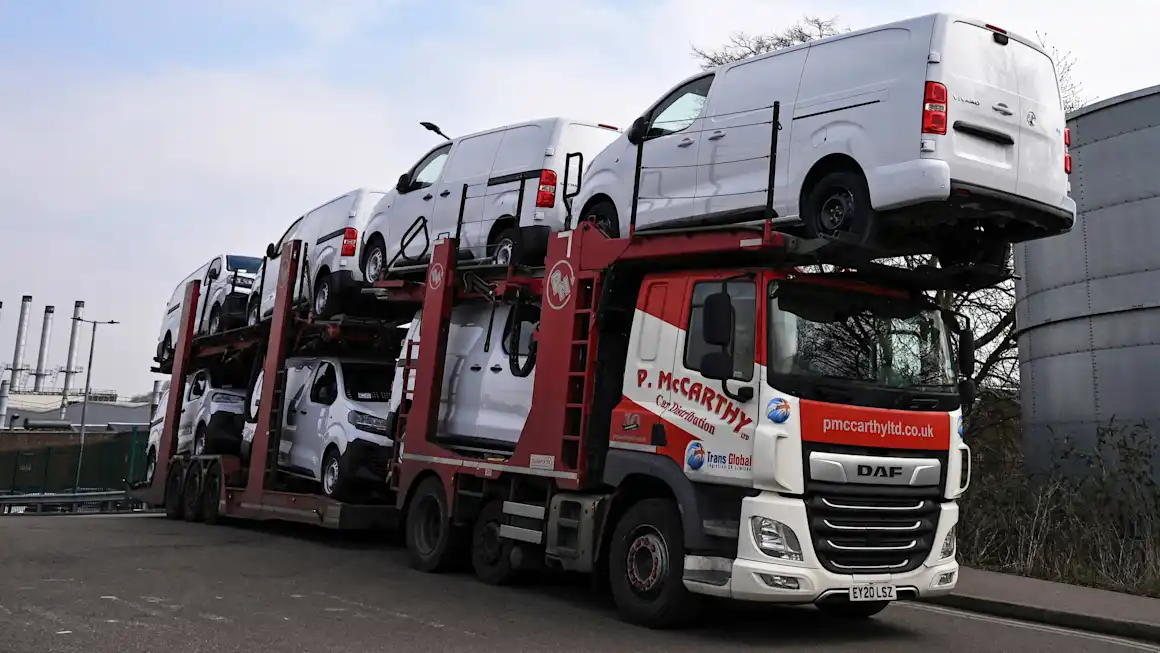
European carmakers had warned the levy would make them more vulnerable to Chinese competition
The automotive industry remains divided on the optimal path forward, with some stakeholders advocating for immediate protection to safeguard jobs and industrial capacity, while others caution against measures that could provoke retaliation and disrupt global supply chains. The delayed implementation allows for a more nuanced assessment of the tariff's impact, ensuring that any final policy is both effective and proportionate. This period of deliberation is crucial for balancing the interests of domestic producers with the broader economic goals of maintaining open and fair trade practices.
As the EU and UK continue their discussions, the global electric vehicle market will closely watch for signs of a resolution that balances competitive fairness with market stability. The eventual policy decision will not only affect the automotive sector but also send signals about the commitment of Western economies to addressing global trade challenges. The coming months will be pivotal in determining the long-term trajectory of electric vehicle trade between Europe, the UK, and China.
Key takeaways
- The EU and UK have agreed to delay the implementation of a 10% tariff on Chinese electric vehicles.
- European carmakers warned that the levy would increase their vulnerability to Chinese competition.
- The delay aims to facilitate further negotiations and address trade concerns without immediate protectionist measures.
- Chinese EV producers have expanded their global market share, prompting regulatory scrutiny in Western markets.
- The automotive industry is monitoring the situation closely as it reassesses its strategic outlook.





