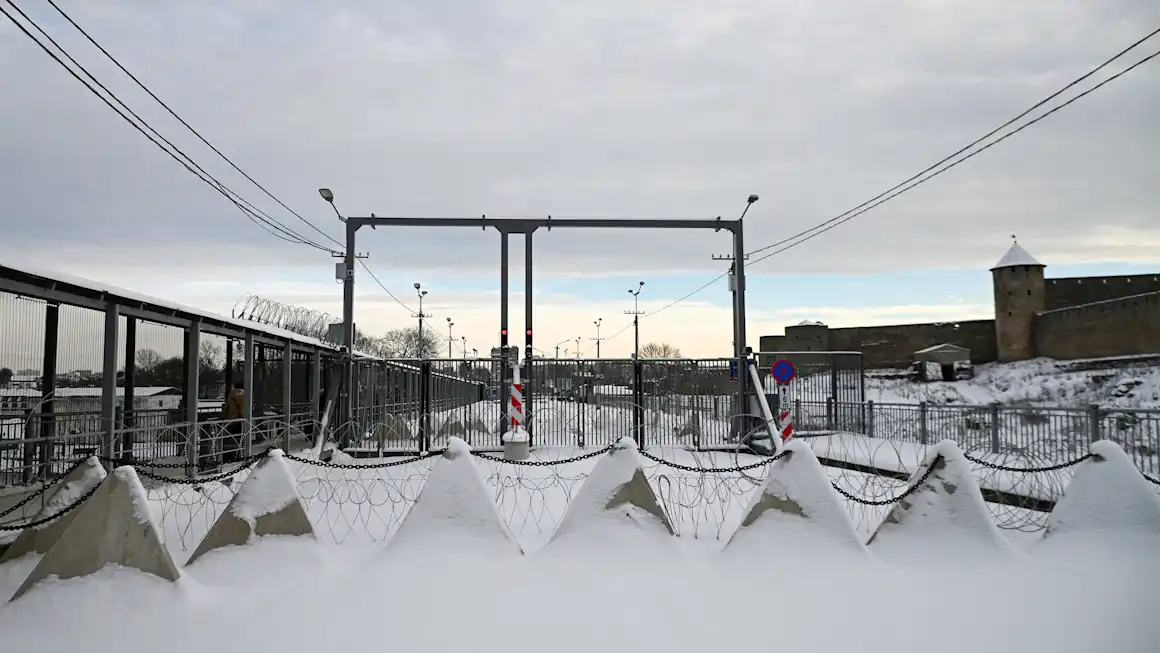
Border Closure and Security Concerns
Estonia has officially closed its land border with Russia, a decision driven by heightened security risks following a recent sabotage attempt. The closure applies to the border crossing point in Narva, which serves as a critical transit hub between the two nations. This move underscores the growing tensions in the region and the Estonian government's determination to protect its territorial integrity and internal security infrastructure from external threats.
The decision to shut down the border was not made lightly but was necessitated by specific intelligence indicating an imminent danger. Authorities have determined that the security situation on the border has become untenable due to the actions of foreign intelligence operatives. The closure is a preventative measure aimed at preventing further incursions or attacks that could destabilize the region or cause significant damage to Estonian infrastructure.
Allegations Against GRU Unit
The catalyst for this drastic measure was an incident at a drone manufacturing facility in Estonia. The Estonian National Security Authority (KAPO) has accused a unit of the GRU, Russia's military intelligence agency, of being behind a failed explosion at the site. The explosion occurred on the premises of a company involved in the production of drones, a sector of strategic importance given the ongoing geopolitical conflicts in Eastern Europe.
According to reports, the device used in the attempted sabotage was planted inside the company's building. The explosion was detected and contained before it could cause catastrophic damage or loss of life, but the intent behind the act was clear. The accusation against the GRU unit highlights the sophisticated nature of the threat, suggesting that state-sponsored actors are actively targeting Estonian industrial capabilities.
KAPO has stated that the investigation is ongoing and that they are working closely with international partners to gather evidence. The agency emphasized that the attempt was part of a broader pattern of interference by Russian intelligence services in the affairs of NATO and EU member states. The failure of the explosion did not diminish the seriousness of the threat, as it demonstrated both the capability and the willingness of foreign actors to conduct operations on Estonian soil.
Implications for Regional Stability
The closure of the Narva border crossing has immediate logistical implications for trade and travel between Estonia and Russia. While the volume of traffic may be limited, the symbolic weight of the closure is significant. It signals a hardening of Estonia's stance against Russian aggression and a refusal to allow cross-border activities that could be used for malicious purposes. The government has assured the public that alternative border crossing points remain open for essential travel and trade, though the Narva crossing is a primary route.
Security experts note that this incident is likely to increase scrutiny on all infrastructure in Estonia, particularly those related to defense, technology, and critical services. The drone industry, in particular, may face increased regulatory oversight and security protocols to prevent future sabotage attempts. The Estonian government is expected to announce additional measures to bolster the security of sensitive facilities in the coming days.
International allies, including NATO partners, have expressed support for Estonia's decision. The incident reinforces the need for collective vigilance and cooperation in countering hybrid warfare tactics. As the investigation continues, authorities warn that the threat landscape remains dynamic and that citizens and businesses should remain alert to any suspicious activities.
Key takeaways
- Estonia has closed its land border with Russia at Narva due to security concerns.
- The closure follows a failed explosion at a drone manufacturing facility.
- Estonian security services attribute the sabotage attempt to a GRU military intelligence unit.
- The incident highlights the ongoing risk of state-sponsored interference in Estonia.
- Alternative border crossings remain open for essential travel and trade.
- Authorities are intensifying security measures at critical infrastructure sites.





