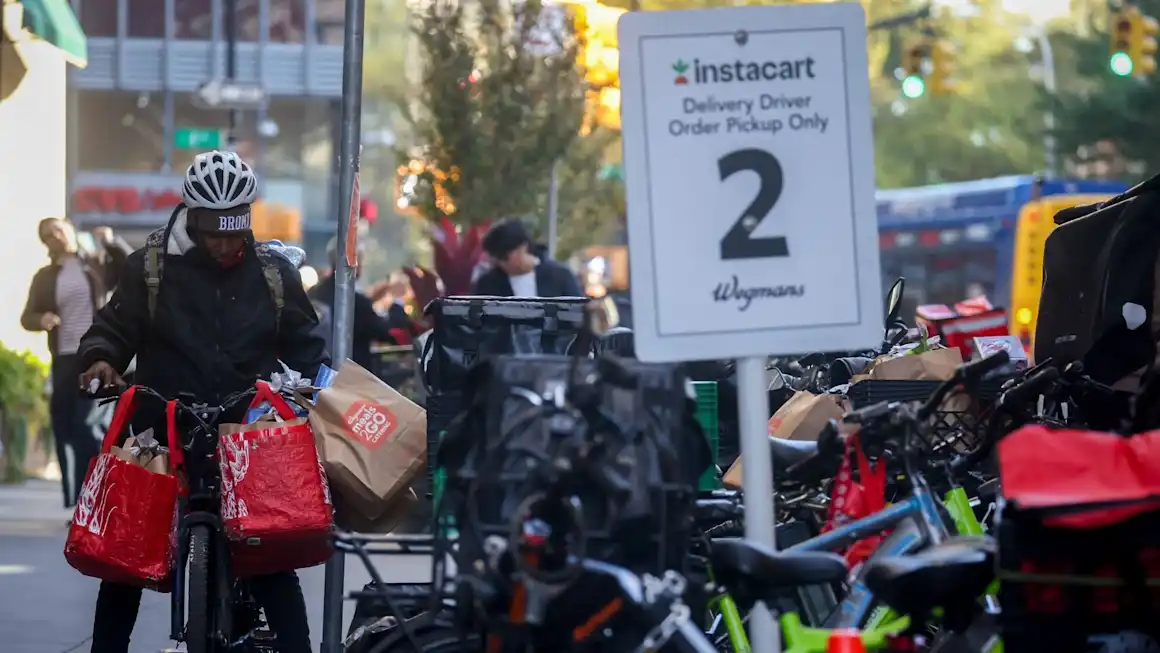
Strategic Consolidation in Delivery Market
DoorDash, one of the leading food delivery platforms in the United States, has entered into a definitive agreement to acquire Instacart, the prominent grocery delivery service. The transaction, valued at approximately $17 billion, represents one of the largest deals in the technology and consumer services sector this year. This move signals a strategic shift for both companies, aiming to combine their respective strengths in restaurant delivery and grocery logistics to create a more dominant player in the broader on-demand delivery market.
The deal is expected to further consolidate an industry that has seen intense competition and significant capital influx over the past few years. By merging, DoorDash and Instacart will integrate their operational networks, potentially streamlining processes for merchants and improving delivery efficiencies for consumers. The combination brings together DoorDash’s extensive restaurant partner network with Instacart’s robust grocery supply chain, creating a comprehensive platform for everyday consumer needs.
Financial Structure and Deal Details
Under the terms of the agreement, Instacart shareholders will receive a combination of cash and stock in the newly formed entity. While specific financial breakdowns of the consideration were not fully detailed in initial reports, the total enterprise value places the deal in the upper tier of recent tech acquisitions. The structure is designed to align the interests of both companies' stakeholders while facilitating a smooth transition of operations. Regulatory approvals and shareholder votes from both companies are required before the transaction can be finalized.
Industry analysts have noted that this merger addresses the growing demand for integrated delivery solutions. Consumers increasingly expect seamless experiences whether they are ordering dinner or restocking household groceries. By uniting these services, the combined entity aims to reduce customer acquisition costs and leverage cross-selling opportunities. The integration of Instacart’s grocery focus complements DoorDash’s core food delivery business, potentially expanding the addressable market for both brands.
Market Implications and Future Outlook
The acquisition underscores the trend of consolidation within the gig economy and digital delivery platforms. After a period of rapid growth and high valuations, many delivery companies have faced pressure to demonstrate profitability and sustainable growth models. Merging allows for the elimination of redundant costs and the optimization of last-mile delivery infrastructure. This strategic move is viewed by some as a response to the maturing market, where scale and efficiency are becoming critical differentiators.
Regulatory scrutiny will likely play a significant role in the timeline of the deal. Antitrust authorities may examine the potential impact on competition in local markets, particularly in regions where both companies hold substantial market share. Legal experts suggest that the regulatory review process could take several months. Both companies have stated they are committed to working with regulators to address any concerns and ensure the transaction proceeds as planned.
Looking ahead, the combined company will face the challenge of integrating two distinct corporate cultures and operational systems. Instacart has built a reputation for its grocery-specific logistics and partnerships with major supermarket chains, while DoorDash has focused on restaurant partnerships and technology infrastructure. The success of the merger will depend on how well these systems can be unified without disrupting service for existing users and merchants. The management teams from both companies have expressed confidence in their ability to execute the integration and deliver value to shareholders.
Key takeaways
- DoorDash has agreed to acquire Instacart in a deal valued at approximately $17 billion.
- The merger combines DoorDash's restaurant delivery network with Instacart's grocery delivery services.
- Instacart shareholders will receive a mix of cash and stock as part of the acquisition terms.
- The deal aims to create a more dominant player in the US on-demand delivery market.
- Regulatory approvals and shareholder votes are required before the transaction can close.
- The consolidation reflects broader trends of efficiency and scale in the competitive delivery sector.





