The Friction Between Legacy and Livability
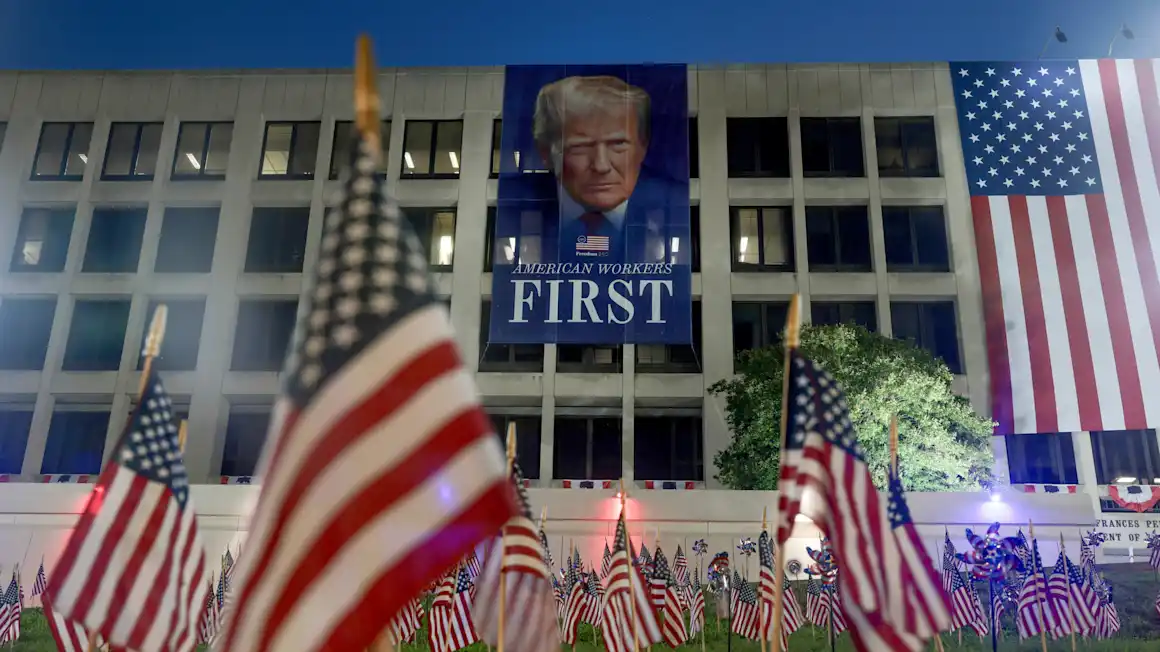
The political landscape is currently witnessing a significant disconnect between the administration's architectural ambitions and the economic reality facing the average citizen. President Donald Trump has long been associated with a style of governance that emphasizes large-scale, tangible symbols of power and legacy, often described as 'monument-building.' However, this approach is encountering increasing resistance from a electorate that is increasingly focused on immediate financial survival rather than grandiose structural projects.
Voters have grown weary of the president’s monument-building at a time of high living costs. This sentiment suggests that the traditional political currency of visible, large-scale achievements is losing its value in an era defined by inflation and economic uncertainty. The public's attention has shifted from what the government can build to how it can help citizens afford their daily necessities.
Economic Pressure as a Political Catalyst
The core of this emerging popular uprising lies in the disparity between the administration's priorities and the household budget. With living costs soaring, families are grappling with increased prices for groceries, housing, and energy. In this context, the perception that the president is prioritizing monuments over economic relief is creating a potent source of political friction. The 'popular uprising' referenced is not necessarily a violent revolt, but a growing vocal dissatisfaction that could manifest in voting patterns and public discourse.
This weariness is not just about the cost of living itself, but about the perceived misalignment of priorities. When the government invests heavily in symbolic structures, it can appear dismissive of the financial strain experienced by the working and middle classes. The narrative that the president is building monuments while citizens struggle to make ends meet provides a compelling counter-story that opposition groups and critical media outlets are likely to amplify.
The concept of an 'imperial presidency' often carries connotations of unchecked power and a focus on legacy over service. In the current climate, this perception is being tested. Voters are increasingly scrutinizing the allocation of resources and the intent behind major projects. If these projects are viewed as self-aggrandizing rather than serving the public good, they can become liabilities rather than assets for the administration.
Implications for Future Governance
As the cost of living crisis persists, the political risk associated with monument-building continues to grow. The administration faces a dilemma: continue with its preferred style of legacy-building and risk further alienating the electorate, or pivot to address the immediate economic concerns of voters. The 'popular uprising' indicates that the latter may be becoming a necessity rather than a choice for maintaining political support.
Historically, economic dissatisfaction has been a powerful driver of political change. The current sentiment suggests that voters are willing to punish leaders who they perceive as out of touch with their financial struggles. This could lead to a reevaluation of how the administration communicates its achievements and justifies its spending priorities. The focus may need to shift from the scale of projects to their tangible impact on the economy and the lives of citizens.
Key takeaways
- Voters are expressing growing weariness regarding the president's focus on monument-building.
- This dissatisfaction is occurring during a period of high living costs and economic strain.
- The perceived misalignment between government priorities and household budgets is fueling a popular uprising.
- The concept of an imperial presidency is facing scrutiny as legacy projects clash with economic reality.
- Future political support may depend on the administration's ability to address cost of living concerns.





