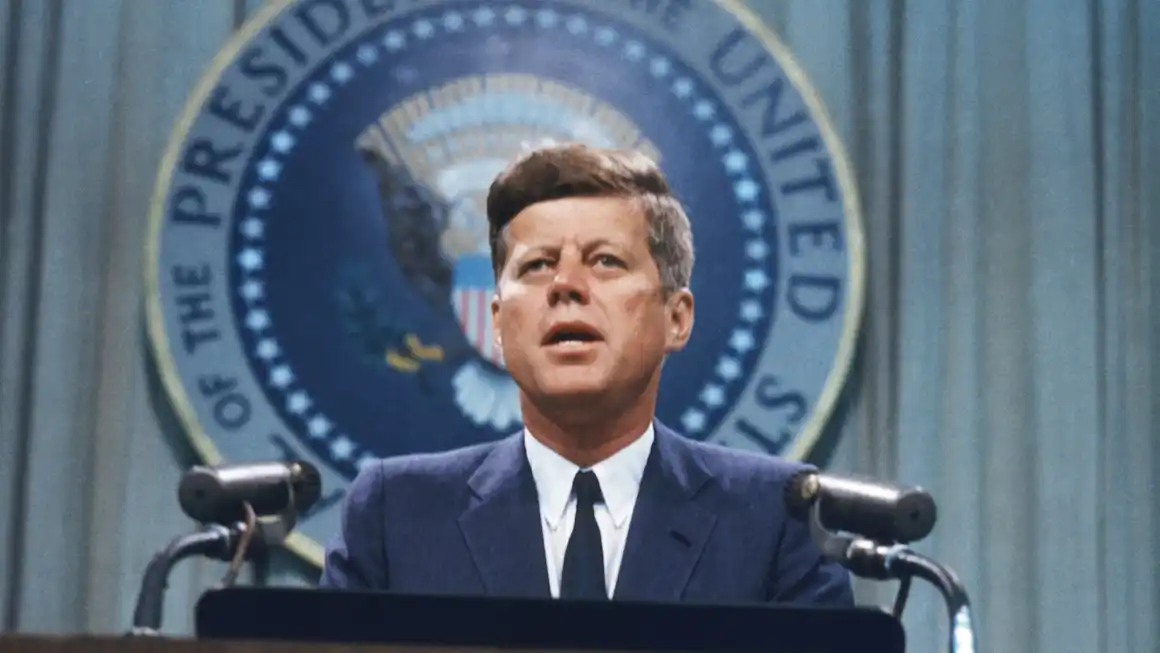
The Decline of Oratorical Flourish
For decades, the landscape of political communication was defined by extended oratory. Politicians and public figures relied on flowery language, complex sentence structures, and lengthy rhetorical flights to convey their messages. This style of communication was not merely a preference but a cultural norm, where the ability to sustain a long, elaborate speech was often seen as a testament to a leader's intellect and dedication. Voters were accustomed to sitting through hours of detailed policy discussions, historical references, and poetic flourishes that underscored the gravity of political office.
However, the contemporary political environment is witnessing a stark departure from these traditions. The prevailing trend among modern politicians is a deliberate move toward brevity and concision. The era of the endless speech is fading, replaced by a demand for succinct, punchy, and easily digestible information. This shift reflects a broader change in how information is consumed, driven by the rapid pace of daily life and the fragmented nature of modern media consumption. The focus has shifted from the art of persuasion through length to the efficiency of message delivery.
Drivers of the Concise Era
The primary catalyst for this transformation is the evolution of media consumption habits. In an age dominated by social media platforms, 24-hour news cycles, and limited attention spans, the ability to convey a point quickly is more valuable than ever. Voters are bombarded with information from countless sources, making it increasingly difficult for lengthy speeches to maintain engagement. As a result, political strategists and communicators are adapting by stripping away the superfluous and focusing on the core message.
This trend is not limited to a single political ideology or region. It represents a global shift in political communication strategies. Leaders across the spectrum are recognizing that in a crowded information landscape, brevity is a virtue. The goal is no longer to impress with the volume of words but to resonate with the clarity and impact of the message. This approach requires a higher level of discipline and precision in speechwriting and public speaking, as there is no room for ambiguity or filler content.
Furthermore, the rise of digital platforms has democratized access to political discourse, allowing for more direct interaction between leaders and the public. This direct line of communication favors short, shareable soundbites over long-form essays. The viral nature of modern media means that a well-crafted, concise statement can reach millions of people instantly, whereas a lengthy speech may struggle to gain traction. Consequently, politicians are increasingly prioritizing content that is optimized for digital distribution and social sharing.
Implications for Political Discourse
The move toward concision has significant implications for the quality of political discourse. While brevity can enhance clarity and accessibility, it also risks oversimplifying complex issues. There is a concern that the nuanced debates necessary for effective governance may be lost in the pursuit of soundbites. However, proponents argue that concise communication can actually deepen engagement by making political topics more understandable and relevant to the average voter.
As this trend continues to evolve, it will likely reshape the skills required for political success. The ability to communicate effectively in short bursts will become a critical competency for politicians. This may lead to a new generation of leaders who are adept at navigating the digital media landscape and connecting with voters through concise, impactful messaging. The challenge will be to maintain the depth and substance of political debate while adapting to the demands of a fast-paced, information-saturated world.
Looking Ahead
The future of political communication will likely be defined by a balance between brevity and depth. While the preference for concise messaging is expected to persist, there will also be a growing demand for substantive content that addresses the complexities of modern issues. Politicians and media organizations will need to find ways to deliver detailed information in formats that are both engaging and efficient. This could involve the use of multimedia, interactive content, and personalized messaging to complement the traditional reliance on short speeches.
Ultimately, the shift from flowery rhetoric to concision reflects a broader cultural change in how society values and processes information. As voters become more discerning and time-constrained, the ability to communicate clearly and directly will remain a key factor in political success. The question is no longer whether politicians can speak at length, but whether they can say what needs to be said in the most effective way possible.
Key takeaways
- Political discourse is shifting from lengthy, ornate speeches to brief, direct messaging.
- The change is driven by modern media consumption habits and the need for quick information processing.
- Concision is becoming a critical skill for politicians to engage with voters in a digital landscape.
- There are concerns that brevity may oversimplify complex policy issues.
- The future of political communication will likely balance short soundbites with substantive content delivery.





