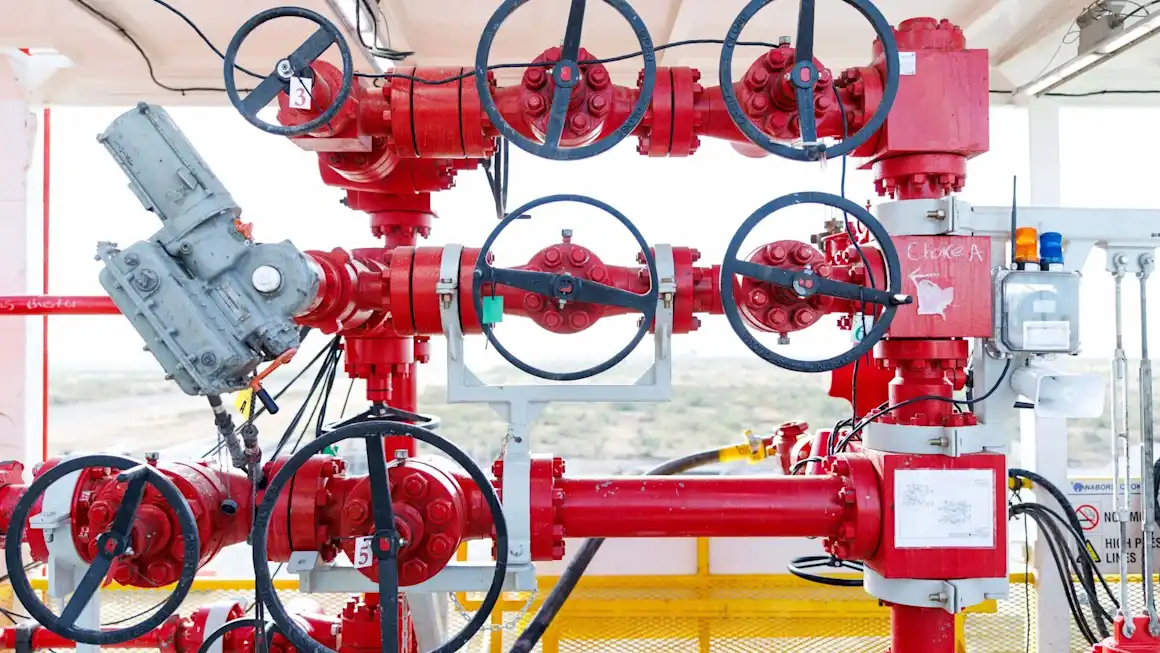
Strategic Expansion in the Permian Basin
Diamondback Energy, a prominent independent oil and gas producer, is approaching the final stages of a substantial acquisition valued at approximately $5 billion. This strategic move is designed to significantly expand the company's operational footprint within the Permian Basin, widely recognized as the epicenter of the United States' shale oil boom. The transaction underscores the continued interest in large-scale asset consolidation within the sector, even as the broader energy market navigates complex macroeconomic and geopolitical headwinds.
The acquisition targets prime drilling locations situated in the core of the Permian Basin, a region stretching across West Texas and Southeast New Mexico. By securing these additional assets, Diamondback aims to enhance its production capacity and operational efficiency. Industry analysts view such consolidations as a method for established players to secure long-term resource bases, optimize infrastructure, and leverage economies of scale in an industry characterized by high capital intensity and fluctuating commodity prices.
Market Context and Geopolitical Volatility
This development occurs against a backdrop of significant volatility in global energy prices. Recent market fluctuations have been influenced by geopolitical tensions, specifically those arising from the conflict involving Iran. These tensions have introduced uncertainty into global oil supply chains, causing price swings that impact the revenue projections and strategic planning of shale producers. For Diamondback, proceeding with a multi-billion dollar investment amidst such instability demonstrates a calculated risk assessment regarding the long-term viability of shale operations.
The Permian Basin has remained the most productive oil field in the United States for several years, attracting substantial capital investment from both independent producers and major energy conglomerates. The region's prolific reservoirs offer relatively low breakeven prices compared to other shale plays, making it an attractive target for expansion. However, the current environment requires companies to balance aggressive growth strategies with financial discipline, ensuring that acquisitions do not over-leverage balance sheets in the face of unpredictable oil price movements.
Geopolitical events, particularly those involving key oil-producing nations like Iran, often lead to short-term spikes or drops in crude oil benchmarks. These price movements directly affect the valuation of oil assets and the timing of major corporate transactions. The fact that Diamondback is nearing a deal closure suggests that the company's leadership believes the long-term fundamentals of the Permian Basin outweigh the immediate risks posed by current geopolitical disruptions. This perspective aligns with broader industry trends where producers focus on operational excellence and asset quality rather than sheer volume growth.
Implications for the Shale Industry
The impending acquisition highlights the ongoing consolidation trend within the US shale industry. As the initial wave of rapid, debt-fueled expansion gives way to a more mature market phase, companies are increasingly focused on accretive growth and shareholder returns. Large-scale transactions like this one allow surviving entities to dominate specific geographic areas, reducing competition for resources and potentially stabilizing local market dynamics.
Investors and market observers are closely monitoring how this deal will impact Diamondback's production guidance and financial structure. The integration of new assets will require significant capital expenditure and operational coordination. Success will depend on the company's ability to seamlessly merge these new drilling operations with its existing infrastructure while maintaining cost controls. Any delays or cost overruns in integrating the acquired assets could impact short-term financial performance, even if the long-term strategic benefits are realized.
Furthermore, this move reflects the resilience of the Permian Basin as a premier energy destination. Despite calls for energy transition and increasing regulatory scrutiny, the economic incentives for domestic oil production remain strong, particularly when global supply disruptions occur. Diamondback's expansion signals confidence in the continued demand for crude oil and the operational advantages of the Permian play. The industry will watch this deal as a case study in how major producers navigate growth opportunities in a volatile global economy.
Key takeaways
- Diamondback Energy is finalizing a nearly $5 billion acquisition to expand its drilling operations.
- The deal targets assets in the core of the US shale boom, the Permian Basin.
- The acquisition occurs amid volatile energy prices driven by geopolitical tensions, including the conflict involving Iran.
- The move reflects a broader industry trend toward consolidation and operational efficiency in mature shale markets.
- The transaction highlights the strategic importance of the Permian Basin despite macroeconomic uncertainties.





