A High-Profile Appointment
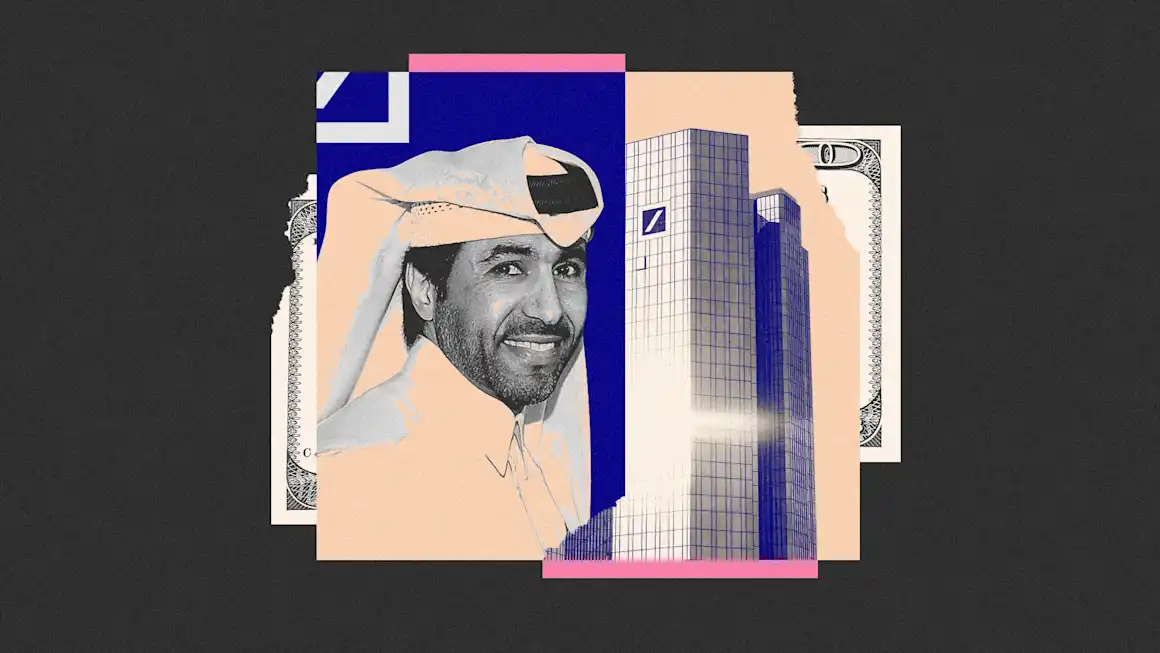
Deutsche Bank AG has appointed a member of the Qatari royal family to a senior role within its investment banking division. This hiring decision, which has drawn significant attention from regulatory bodies and industry observers, underscores the intricate web of relationships that define high-stakes finance in the Middle East. The appointment is not merely a personnel change but a signal of the bank’s strategic focus on deepening ties with sovereign wealth entities and royal dynasties that hold substantial influence over global capital flows.
Internal documents, which have been leaked and subsequently reviewed by financial journalists, provide a rare glimpse into the operational mechanics behind such high-profile hires. These records suggest that the integration of royal family members into the bank’s structure is designed to facilitate smoother transactions and enhance access to lucrative deals. However, the leak also raises critical questions about the governance frameworks that allow such arrangements to proceed without full transparency.
Blurring Traditional Boundaries
The core issue highlighted by the leaked documents is the erosion of traditional distinctions between the roles of investor, client, and counterparty. In a typical investment banking scenario, these roles are meant to be strictly segregated to prevent conflicts of interest and ensure fair market practices. When a member of a sovereign family joins the bank, they may simultaneously act as a partner in generating revenue, a client directing capital, and a counterparty in negotiations, creating a complex matrix of allegiances.
Regulators in both Europe and the Middle East have long scrutinized such arrangements. The blurred lines create potential vulnerabilities, including the risk of insider trading, preferential treatment in deal allocation, and the circumvention of standard due diligence procedures. The leaked files indicate that Deutsche Bank’s management was aware of these complexities but proceeded with the hiring, citing the strategic value of the royal connection.
Industry experts note that while banks have historically relied on relationships with wealthy families and sovereign entities, the scale and visibility of this particular appointment are unprecedented. The documents suggest that the bank’s leadership viewed the royal appointment as a necessary move to compete in an increasingly crowded market for Middle Eastern capital. However, critics argue that such moves compromise the integrity of the financial system by prioritizing access over ethical compliance.
Regulatory and Market Implications
The revelation of these internal dealings has prompted calls for stricter regulatory oversight. Financial authorities in Germany and Qatar are expected to review the bank’s compliance protocols in light of the leaked information. The incident highlights the broader challenge faced by global banks: balancing the commercial benefits of deep ties with powerful sovereign clients against the imperative to maintain transparent and fair market operations.
Market participants are closely watching how Deutsche Bank responds to the scrutiny. The bank has not publicly commented on the specifics of the leaked documents, but sources indicate that internal reviews are underway. The outcome of these reviews could have significant implications for the bank’s reputation and its ability to secure future mandates from sovereign wealth funds. Furthermore, the case may influence how other global banks structure their relationships with similar entities, potentially leading to tighter internal controls or, conversely, more sophisticated methods of managing these complex relationships.
What Happens Next
As the investigation continues, the financial community awaits further details regarding the specific roles and responsibilities of the appointed royal family member. Regulatory bodies may impose additional reporting requirements or restrictions on the bank’s dealings with the Qatari royal family. The incident serves as a stark reminder of the opaque nature of high-level finance and the ongoing tension between commercial ambition and ethical governance.
Key takeaways
- Deutsche Bank appointed a member of the Qatari royal family to a senior investment banking role.
- Leaked internal documents reveal the strategic rationale behind the hire and the resulting conflicts of interest.
- The appointment blurs the traditional lines between investor, client, and counterparty roles.
- Regulators in Germany and Qatar are reviewing the bank’s compliance and governance structures.
- The move highlights the growing influence of sovereign wealth and royal dynasties in global finance.





