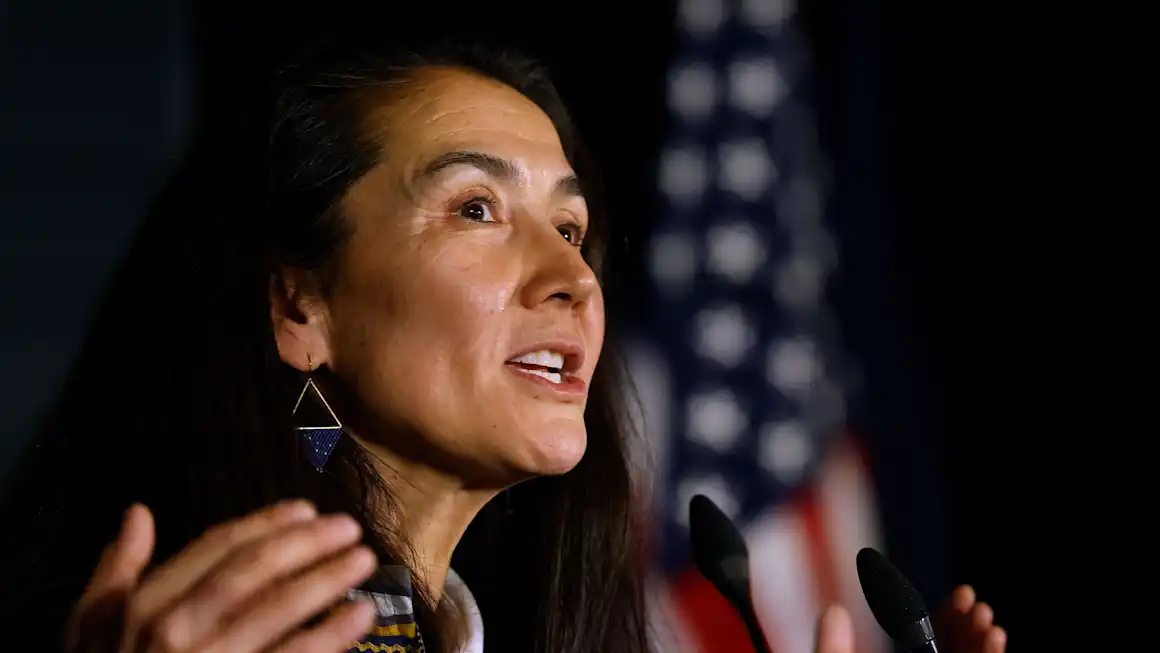
Alaska Special Election Results
Democratic lawmakers have secured a pivotal victory in the United States Senate, filling a critical vacancy in the northernmost state of the Union. The election of Mary Peltola to the Senate seat in Alaska marks a definitive conclusion to the political drama surrounding the special election, which has drawn intense national attention. Her success in the race not only places a Democrat in the chamber but also serves to solidify the party's standing in the legislative body following the recent midterm elections.
The outcome of this contest has immediate implications for the balance of power in Washington. With Peltola's win, the Democratic tally in the 100-member chamber has risen to 56 seats. This numerical advantage provides the party with a clearer majority, altering the strategic calculations for upcoming legislative sessions and committee assignments. The gain is particularly notable given the competitive nature of the race and the historical voting patterns of the region.
Political Implications and Chamber Composition
The completion of this seat brings the Senate composition to its final state following the midterm cycle. The addition of Peltola to the roster of senators means that the Democratic caucus now holds a majority of the seats, a status that grants significant procedural advantages. These include control over the agenda, the ability to chair committees, and a greater influence on the confirmation of judicial and executive branch appointments.
Alaska's political environment has traditionally been a challenging terrain for Democratic candidates, making this victory a notable exception to the norm. The state's status as the northernmost US location adds a unique geographical and demographic dimension to its representation. Peltola's election underscores the shifting dynamics within rural and semi-rural American politics, where issues such as resource management, indigenous rights, and federal spending play crucial roles in voter decision-making.
The race was characterized by a crowded field of candidates, reflecting the diverse interests within Alaska. Voters were asked to choose from a slate that included candidates from multiple parties, each presenting distinct platforms on how best to represent the state's interests in the federal government. The final outcome suggests that a coalition of voters across party lines coalesced around Peltola, highlighting the importance of broad appeal in a non-partisan or multi-party primary system.
This special election was necessitated by the need to fill a vacancy that arose during the previous Congress. The process of selecting a successor involves specific state laws and timelines, which were adhered to in order to ensure a legitimate and timely transition of power. The election results confirm the will of the Alaskan electorate and provide a clear mandate for the new senator to begin her term.
Looking Ahead
As the new senator prepares to take her seat, attention turns to the legislative priorities that will define her tenure. The 56-44 majority provides Democrats with a buffer for passing legislation, though it still requires careful negotiation and compromise to achieve policy goals. The control of the Senate will influence the pace and direction of federal policy on issues ranging from healthcare and climate change to national security and economic regulation.
The victory in Alaska is part of a broader pattern observed during the midterm elections, where Democrats managed to retain or gain key seats despite a generally challenging political climate. This result may influence fundraising and campaigning strategies for future elections, as parties assess the viability of running in traditionally Republican strongholds. The performance of candidates in Alaska will likely be studied by political analysts and strategists across the country.
Ultimately, the election of Mary Peltola represents a significant moment in American political history. It demonstrates the continued relevance of the Senate as a body where diverse regional voices can influence national policy. The completion of this seat brings the chamber to its full complement of senators, ready to address the pressing issues facing the nation in the coming years.
Key takeaways
- Democratic candidate Mary Peltola won the special Senate election in Alaska.
- The victory increases the Democratic majority in the 100-member Senate to 56 seats.
- The win completes the Senate composition following the midterm elections.
- Alaska is the northernmost state in the United States.
- The gain provides Democrats with procedural advantages in the legislative chamber.





