A Shocking Endorsement Rattles Party Unity
Haley Stevens, the U.S. Representative for Michigan’s 11th District, has become the center of a political storm after publicly endorsing the Republican candidate in the upcoming Michigan gubernatorial race. Her decision to back the GOP contender over the Democratic nominee, Abdul El-Sayed, has sent shockwaves through the state party apparatus, provoking a swift and severe backlash from party leaders and grassroots activists. This unexpected defection marks a significant breach of party discipline, raising questions about the cohesion of the Democratic base in a state that has become a critical battleground in national politics.
The endorsement represents a stark deviation from the expected behavior of a sitting Democratic congressman in a competitive state. Stevens, who has previously aligned with the party’s progressive wing on many issues, cited her support for the Republican candidate based on specific policy disagreements or strategic calculations that diverge from the party line. The move has been described by insiders as a "shock" to the system, as it undermines the unified front typically presented by elected officials during high-stakes state elections.
Swift Backlash from Party Leadership and Activists
Reaction from the Michigan Democratic Party has been immediate and harsh. Party officials have expressed deep disappointment and frustration, viewing Stevens’ actions as a betrayal that could jeopardize their chances in a pivotal election cycle. Activists and local party members have taken to social media and public forums to condemn the endorsement, arguing that it weakens the party’s messaging and provides ammunition for Republican opponents. The backlash highlights the fragile nature of party unity, particularly when prominent figures choose to prioritize individual political strategies over collective party goals.
The controversy has also sparked debates about the role of independent-minded Democrats within the party structure. Some observers argue that Stevens’ decision reflects a growing discontent among moderate or independent voters who feel disconnected from the party’s current direction. Others contend that her endorsement is a reckless move that prioritizes personal political survival over the broader interests of the Democratic coalition in Michigan. These internal divisions are likely to intensify as the election cycle progresses, potentially affecting voter turnout and engagement within the party.
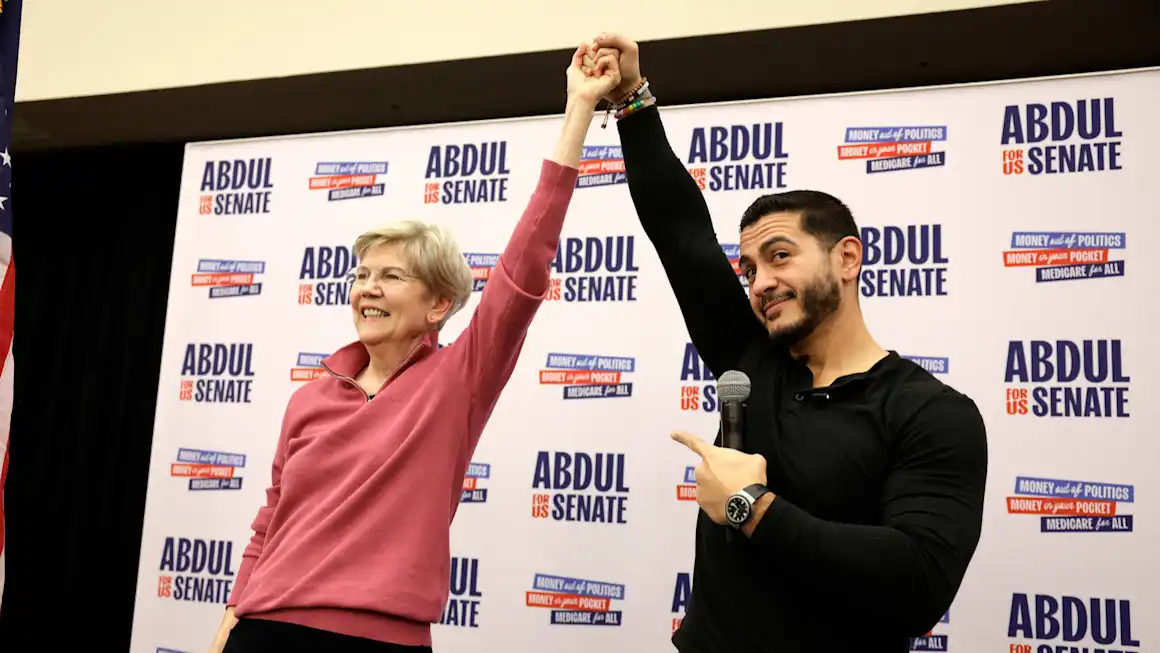
Abdul El-Sayed, the Democratic nominee, has faced the additional challenge of navigating this internal strife. His campaign must now work to distance itself from the controversy while maintaining its message and momentum. The endorsement by a sitting congresswoman adds a layer of complexity to his campaign strategy, forcing him to address questions about party support and unity. Political analysts suggest that the Democratic nominee may need to reframe his campaign to focus on policy differences with the Republican candidate rather than party loyalty, hoping to mitigate the damage caused by Stevens’ defection.
Implications for Michigan’s Political Landscape
The fallout from Stevens’ endorsement extends beyond immediate party dynamics, potentially influencing the broader political landscape in Michigan. As a key swing state, Michigan’s gubernatorial race is closely watched by national political observers who see it as an indicator of the country’s political mood. The visible rift within the Democratic Party could embolden Republican supporters and demoralize Democratic voters, creating headwinds for the party in what is expected to be a closely contested election.
Party leaders are now likely to engage in damage control efforts, attempting to reassure donors and volunteers that the party remains united in its goals. This may involve public statements, strategic meetings, and perhaps even disciplinary measures against those who break party ranks. The situation also raises questions about the future of Democratic leadership in Michigan, with some calling for a reassessment of how the party engages with elected officials who hold divergent views.
As the election approaches, the focus will remain on how both parties capitalize on this controversy. Republicans may use Stevens’ endorsement to portray the Democratic Party as fractured and out of touch, while Democrats will strive to present a cohesive front. The outcome of this internal conflict could have lasting implications for the party’s ability to mobilize voters and maintain control of state offices in the coming years.
Key takeaways
- Haley Stevens, U.S. Representative for Michigan’s 11th District, endorsed the Republican candidate for governor, breaking party ranks.
- Michigan Democratic Party leaders and activists have reacted with swift backlash, calling the endorsement a betrayal.
- The defection highlights deep internal tensions within the state Democratic coalition ahead of a critical election.
- Democratic nominee Abdul El-Sayed faces the challenge of maintaining campaign momentum amidst the controversy.
- The incident may influence voter turnout and perception of party unity in the key swing state of Michigan.





