Isolated Technical Failure at Major Hub
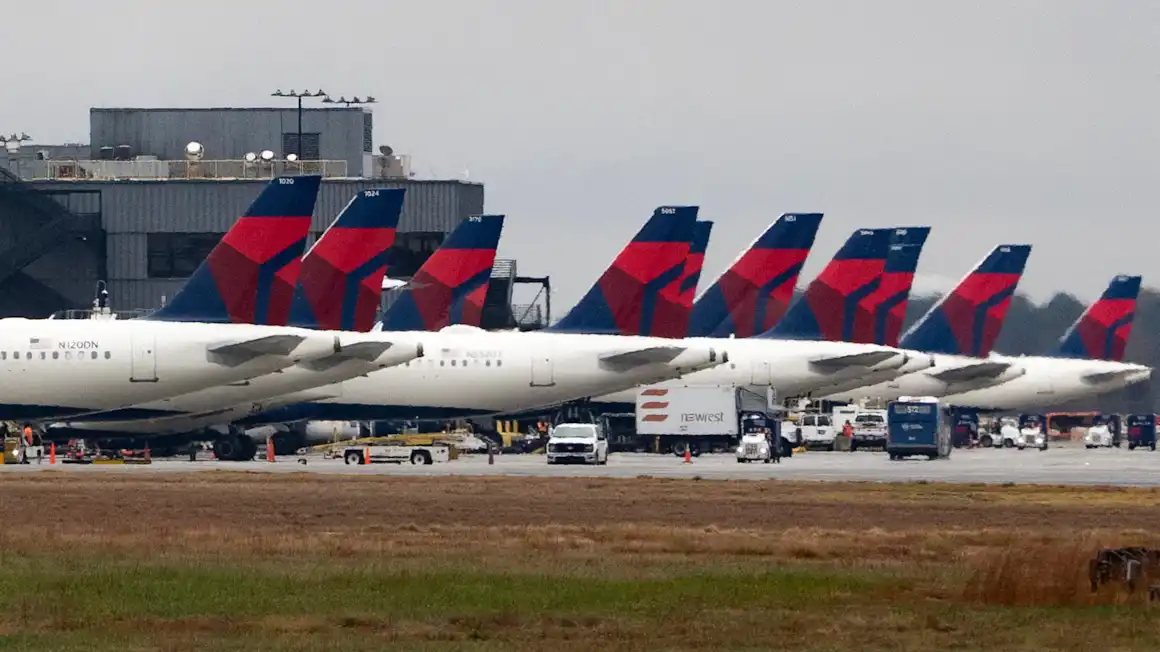
Delta Air Lines is currently navigating a period of severe operational disruption following a widespread technical malfunction at its primary hub in Atlanta. The incident has resulted in a substantial number of flight cancellations and delays, causing significant inconvenience to passengers traveling through one of the busiest airports in the world. While the scale of the disruption has drawn attention to the broader stability of the US aviation network, Federal Aviation Administration (FAA) officials have moved quickly to clarify the scope of the problem. According to the FAA, the technical problems plaguing Delta’s Atlanta operations are distinct and not related to the countrywide outage that affected multiple airlines earlier this month. This distinction is critical for regulators and industry observers attempting to assess whether the current situation represents a systemic vulnerability or an isolated incident within a single carrier’s infrastructure.
Systemic Vulnerabilities and Industry Scrutiny
The recurrence of major technical disruptions at major airline hubs has intensified concerns among policymakers and aviation experts regarding the robustness of the US air travel system. The earlier nationwide outage served as a stark reminder of how interconnected and fragile modern aviation IT systems can be, with cascading failures affecting carriers beyond just the initially impacted company. Although the FAA has explicitly stated that Delta’s current issues are unrelated to that previous event, the timing and severity of the Atlanta disruption have inevitably fueled anxiety about the sector's capacity to handle concurrent or sequential failures. Industry analysts note that while individual airline technical failures are not uncommon, the resulting public scrutiny often highlights broader infrastructural weaknesses that have not been fully addressed since the last major system-wide collapse.
Atlanta’s Hartsfield-Jackson International Airport serves as the central nervous system for Delta Air Lines, handling a massive volume of domestic and international connections. A failure in the systems supporting this hub does not merely affect Delta passengers; it creates ripple effects across the global aviation network as planes and crews are stranded or delayed in transit. The operational paralysis experienced by the airline underscores the high stakes of maintaining reliable IT infrastructure in an industry where tight scheduling and just-in-time logistics leave little room for error. Passengers face uncertainty as they attempt to rebook flights or navigate alternative travel arrangements, highlighting the consumer impact of technical failures that may appear abstract to industry insiders.
Regulatory Response and Future Outlook
Regulatory bodies are closely monitoring the situation to determine if the current disruption reveals any gaps in safety protocols or system redundancies. The FAA’s immediate clarification that the Delta incident is separate from the previous month’s national outage suggests that investigators are looking for specific, isolated causes rather than a widespread software bug or cyberattack. However, the pressure on airlines and regulators to improve system resilience remains high. Lawmakers and consumer advocacy groups have previously called for stricter reporting standards and more robust contingency plans in the wake of the earlier nationwide failure. This latest incident provides another opportunity for review, though the immediate focus remains on restoring normal operations at the Atlanta hub.
The financial implications for Delta Air Lines are significant, with cancelled flights leading to direct revenue losses and potential compensation costs for affected customers. Beyond the immediate financial hit, the airline faces reputational risks as passenger satisfaction scores may decline in the aftermath of the disruption. The industry as a whole is watching to see how Delta’s recovery efforts unfold and whether the airline can restore confidence in its operational reliability. As the situation develops, the aviation sector continues to grapple with the challenge of balancing efficiency with the redundancy needed to prevent cascading failures in an increasingly digital environment.
Key takeaways
- Delta Air Lines is experiencing significant flight cancellations and delays due to technical problems at its Atlanta hub.
- The Federal Aviation Administration (FAA) has stated that the Delta outage is not related to the countrywide aviation failure that occurred earlier this month.
- The incident has reignited concerns about the fragility and resilience of the US air travel infrastructure.
- Atlanta’s status as a major hub means that technical failures at this location have widespread ripple effects on the global aviation network.
- Regulators and industry experts are monitoring the situation to assess whether systemic improvements are needed following previous outages.





