Unprecedented Surplus Levels
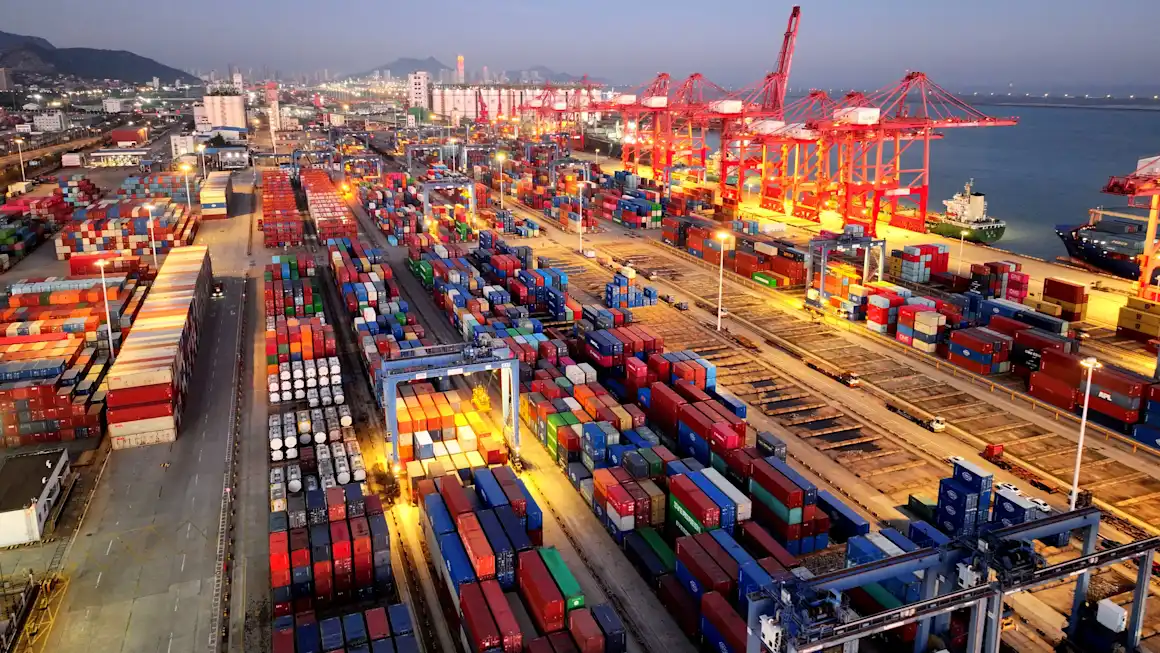
China's trade surplus has surpassed the $1 trillion mark for the first ten months of the current year, establishing a new historical benchmark for the world's second-largest economy. This figure represents a significant escalation in the gap between the value of goods exported from China and those imported, highlighting a structural imbalance that has drawn intense scrutiny from international financial institutions and trade partners alike. The accumulation of such a vast surplus indicates that Chinese manufacturing and export sectors continue to operate at a scale that far outpaces domestic consumption, a dynamic that has become a central point of contention in global economic policy discussions.
The balance is currently on course to set an annual record, a trajectory that suggests the surplus will not only maintain but potentially expand upon its ten-month total by year's end. This persistent growth in the trade surplus is not merely a statistical anomaly but a reflection of deeper economic forces, including China's robust industrial capacity and the relative resilience of its export-oriented industries compared to other major economies facing domestic demand challenges. As the year progresses, the magnitude of this surplus is expected to intensify tensions with trade partners who view such imbalances as indicative of unfair competitive practices or systemic global economic distortions.
Geopolitical and Economic Ramifications
The record-breaking surplus is poised to intensify tensions with trade partners, particularly in the United States and the European Union, where policymakers have increasingly focused on reducing dependency on Chinese goods and addressing what they perceive as market distortions. The sheer volume of exports has led to accusations of overcapacity, with critics arguing that China's ability to flood global markets with cheap goods undermines industries in other nations. This sentiment has fueled a wave of protectionist measures, including tariffs and anti-subsidy investigations, which are likely to become more aggressive as the surplus figures continue to climb.
For China, the surplus serves as a buffer against domestic economic headwinds, including a sluggish property sector and weak consumer confidence. By relying on external demand, Chinese manufacturers have been able to maintain production levels and keep employment stable in key industrial hubs. However, this reliance on exports also exposes the economy to external shocks, such as changes in global demand, supply chain disruptions, and retaliatory trade policies. The government's ability to navigate these challenges will be tested as trade partners seek to mitigate the impact of China's export surge through stricter regulations and trade barriers.
Analysts note that the surplus is driven by a combination of factors, including competitive pricing, advanced manufacturing capabilities, and government support for key industries. While some of these factors are natural outcomes of China's economic development, others are seen as artificial advantages that distort global markets. The international community's response to these dynamics will shape the future of global trade relations, with potential consequences for supply chain configurations, investment flows, and diplomatic engagement. As the year draws to a close, the full extent of the annual surplus will provide critical insights into the resilience of China's export sector and the broader health of its economy.
Looking Ahead: A Critical Year for Trade Relations
As the final two months of the year approach, all eyes are on how the trade surplus will close out the year. The annual record, if confirmed, will set a precedent for future trade negotiations and policy decisions. Trade partners are likely to use these figures as leverage in ongoing and future negotiations, pushing for greater market access, stronger intellectual property protections, and more balanced trade relationships. The intensifying tensions underscore the need for diplomatic engagement to prevent the escalation of trade conflicts that could have far-reaching economic consequences.
The implications of this record surplus extend beyond immediate trade disputes. They reflect a broader shift in the global economic order, where China's role as the world's factory is being reevaluated in light of geopolitical tensions and economic decoupling trends. Companies and investors are closely monitoring these developments, as they may lead to significant changes in global supply chains and investment strategies. The coming months will be critical in determining whether the current trajectory of trade imbalances can be addressed through dialogue and policy adjustments or whether it will lead to a more fragmented global trading system.
Key takeaways
- China's trade surplus has exceeded $1 trillion for the first ten months of the year, marking a historic high.
- The annual surplus is on track to set a new record, intensifying tensions with major trade partners.
- The surplus is driven by strong export performance and competitive manufacturing capabilities.
- Trade partners are likely to increase protectionist measures in response to the growing imbalance.
- The record surplus highlights China's reliance on external demand amid domestic economic challenges.
- Future trade negotiations will be heavily influenced by the magnitude of this annual surplus.





