A Shift in Status Symbols
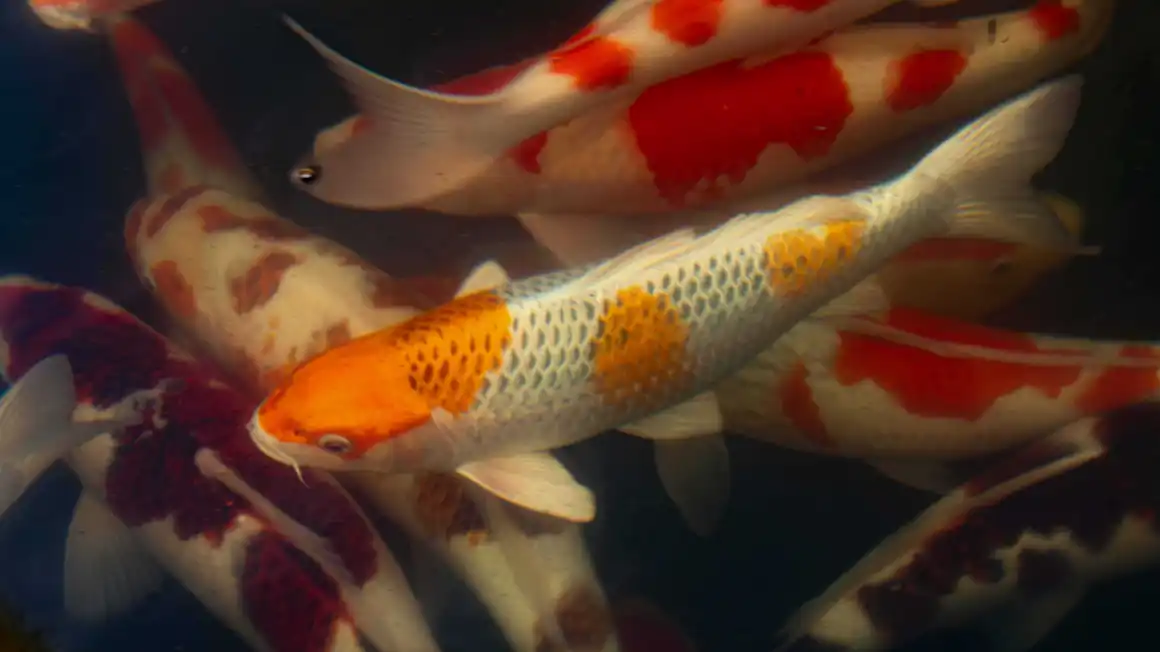
China’s super-rich have developed a new obsession that is redefining the landscape of luxury consumption: high-end koi fish. Collectors across the country are spending fortunes on these ornamental carp, with some individual fish commanding prices of up to one million dollars. This trend marks a significant departure from traditional displays of wealth, such as luxury cars or real estate, signaling a broader cultural shift in how the elite showcase their status.
The surge in demand for premium koi has created a booming niche market within China’s broader luxury sector. Enthusiasts view these fish not merely as pets but as living artworks and long-term investments. The market has seen a rapid increase in auction prices and private sales, with rare varieties fetching sums that rival the cost of high-end automobiles or luxury watches. This shift reflects a growing appetite among the wealthy for assets that are perceived as more discreet yet equally prestigious.
Economic and Political Pressures
However, this burgeoning market faces significant headwinds. An ongoing economic slowdown in China has tempered the spending power of many consumers, including the ultra-wealthy. As economic growth slows, high-net-worth individuals are becoming more cautious with their discretionary spending. The volatility in financial markets and uncertainty in the broader economy have led to a more conservative approach to asset allocation, affecting even the most niche luxury markets.
Compounding the economic pressures is Beijing’s ongoing crackdown on conspicuous wealth. The Chinese government has implemented various measures to curb excessive display of affluence, aiming to promote social equity and stability. This political climate has made overt displays of wealth, such as owning multiple luxury homes or cars, less desirable and potentially risky. Consequently, the super-rich are seeking alternative avenues to demonstrate their status that are less likely to attract negative attention from regulators or the public.
Koi fish offer a discreet yet potent symbol of wealth. Unlike a flashy sports car, a collection of high-value koi can be displayed in private ponds or indoor tanks, offering a level of privacy that aligns with the current political and social climate. This discretion has made the koi market particularly attractive to collectors who wish to maintain their lifestyle without violating the spirit of government guidelines on excessive consumption.
Market Dynamics and Future Outlook
Despite the challenges posed by the economic slowdown and regulatory environment, the demand for premium koi remains resilient among a dedicated segment of collectors. Breeders and sellers have adapted by focusing on quality and rarity, ensuring that their stock remains appealing to those with the means and desire to invest. The market has seen the emergence of specialized breeders who have gained reputations for producing fish with exceptional coloration, patterns, and body structure, further driving up prices.
Analysts suggest that the koi market may serve as a barometer for broader trends in Chinese luxury consumption. As the economy continues to navigate through periods of uncertainty, the behavior of the super-rich in this niche market could provide insights into how wealth is being preserved and displayed in the coming years. If the trend continues, it could lead to the professionalization of the koi industry, with more structured auctions, certifications, and insurance products tailored to high-value fish.
However, the long-term sustainability of this market is uncertain. If the economic slowdown persists or if government policies become more stringent regarding wealth display, the demand for million-dollar koi could decline. Collectors may return to more traditional forms of asset storage, such as gold, art, or real estate, which have historically been safer havens for wealth preservation. The interplay between economic factors, regulatory policies, and cultural preferences will ultimately determine the trajectory of this unique luxury market.
Key takeaways
- China’s super-rich are increasingly investing in high-end koi fish, with some specimens selling for up to one million dollars.
- This trend reflects a shift away from conspicuous consumption due to an economic slowdown and government crackdowns on excessive wealth display.
- Koi offer a discreet way for the wealthy to showcase status, aligning with current political and social pressures in China.
- The market is adapting with specialized breeders focusing on rarity and quality to maintain demand among elite collectors.
- Analysts view the koi market as a potential indicator of broader shifts in Chinese luxury consumption and wealth preservation strategies.