Persistent Inflation Challenges
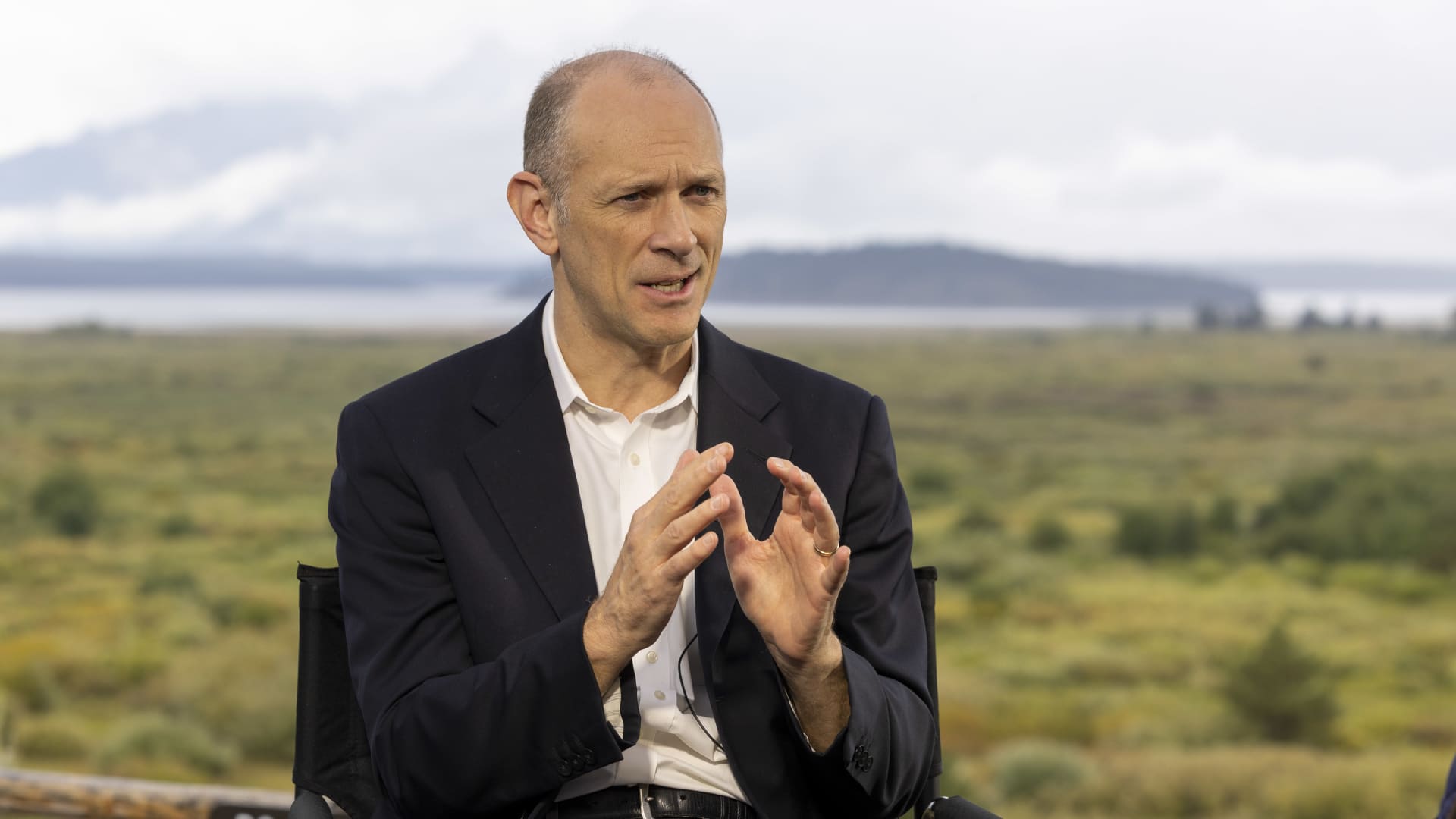
Austan Goolsbee, President of the Federal Reserve Bank of Chicago, has publicly expressed deep concern regarding the most recent inflation data released by the government. In a recent interview with CNBC, the central bank policymaker emphasized that the current economic indicators suggest the Federal Reserve still has substantial work to accomplish in its mission to stabilize prices. His comments highlight a growing consensus among some Fed officials that the path to the central bank's 2% inflation target remains obstructed by stubbornly high price increases across various sectors of the economy.
Goolsbee's remarks come at a critical juncture for U.S. monetary policy, as investors and market participants closely scrutinize every signal from Federal Reserve leadership regarding the future trajectory of interest rates. The acknowledgment that the central bank "has definitely got work to do" signals a cautious approach, suggesting that policymakers are not yet prepared to declare victory over inflation or to pivot aggressively toward rate cuts. This stance reflects the delicate balance the Fed must maintain between supporting economic growth and ensuring that price stability is firmly reestablished.
Implications for Monetary Policy
When asked about the likelihood of future policy adjustments, Goolsbee told CNBC that the central bank likely will need to take action. This statement implies that the current interest rate environment may not be restrictive enough to fully dampen inflationary pressures, or that the lagged effects of previous tightening have not yet been fully realized in the broader economy. The suggestion of necessary action reinforces the market's expectation that the Federal Reserve will maintain a hawkish posture for a prolonged period, potentially keeping borrowing costs elevated for longer than some optimistic forecasts had anticipated.
The Chicago Fed President's comments underscore the complexity of the current macroeconomic landscape. While headline inflation figures have shown signs of cooling in recent months, core inflation metrics often remain elevated, driven by services, housing, and wage growth. Goolsbee's concern about the latest data suggests that policymakers are looking beyond surface-level improvements and are focused on the underlying trends that could reignite price growth. This detailed focus is typical of the Fed's data-dependent approach, where each new report is weighed carefully against the central bank's dual mandate of maximum employment and price stability.
Market reactions to such statements from key Fed officials are often swift, as traders adjust their expectations for the federal funds rate. The acknowledgment that more work is needed can lead to a repricing of interest rate futures and bond yields, as investors anticipate that the central bank may need to hold rates steady or even consider further tightening if inflation proves more persistent than expected. This dynamic highlights the significant influence that individual policymakers like Goolsbee can exert on financial markets through their public communications.
Looking Ahead
As the Federal Reserve continues to navigate this challenging economic environment, the focus will remain on upcoming inflation reports and labor market data. Goolsbee's warning serves as a reminder that the battle against inflation is not yet won and that premature loosening of monetary policy could undermine recent progress. The central bank's next steps will likely depend on whether incoming data supports the view that inflation is moving sustainably toward the 2% target or if it suggests that further restrictive measures are required.
The broader economic community is watching closely to see how the Fed balances these risks. A too-slow response to inflation could lead to a loss of credibility for the central bank and potentially entrench higher inflation expectations. Conversely, a too-slow response could unnecessarily hamper economic activity and increase the risk of a recession. Goolsbee's comments reflect the gravity of this situation and the careful calibration required to achieve a soft landing.
Key takeaways
- Chicago Fed President Austan Goolsbee expressed concern about the latest inflation data in a CNBC interview.
- Goolsbee stated that the central bank has definitely got work to do on inflation.
- The policymaker indicated that the central bank likely will need to take further action.
- His comments suggest the Federal Reserve remains committed to a restrictive monetary policy stance.
- The remarks highlight the ongoing challenges in bringing inflation down to the 2% target.





