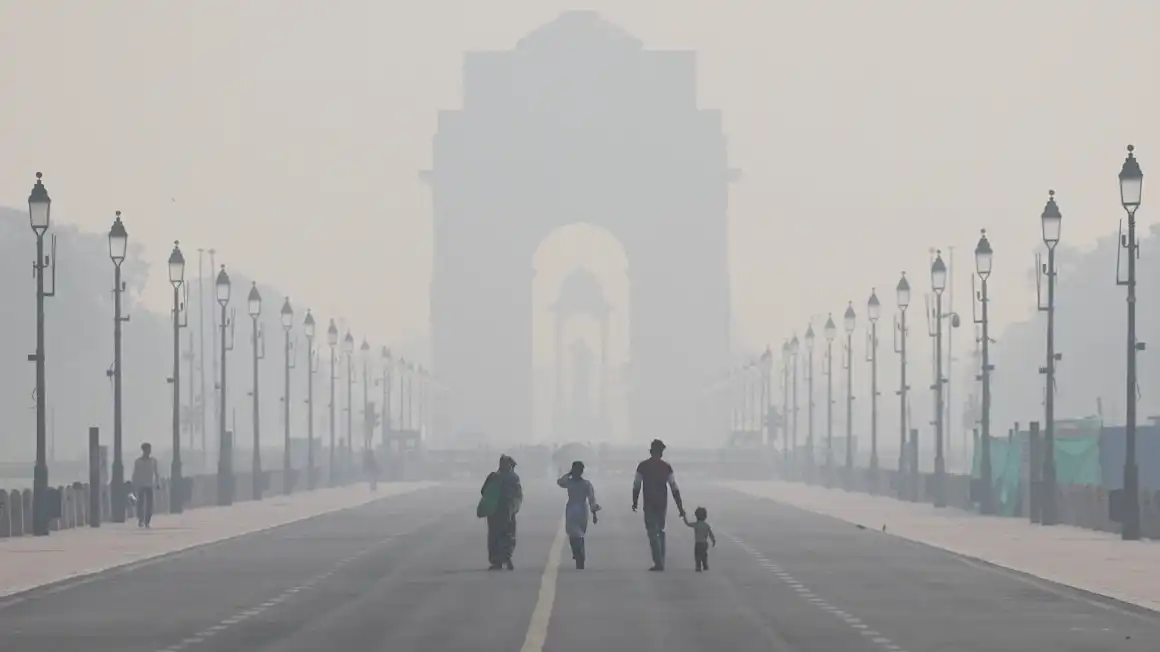
The Choking Capital
Residents of New Delhi are voicing increasing frustration over the deteriorating air quality in the nation's capital. The recurring smog crisis has reached levels that pose significant health risks to the population, prompting widespread concern among citizens who feel that immediate government intervention is lacking. The situation has become a focal point for public discourse, with many questioning the efficacy of current environmental policies and the government's capacity to address such a pervasive issue.
A Stark Contrast in Capabilities
The ongoing environmental crisis has drawn sharp comparisons to India's technological prowess on the global stage. A prevailing sentiment among the public is one of disbelief that a country capable of landing spacecraft on the Moon is unable to prevent its citizens from choking on bad air. This rhetorical question underscores a deep-seated frustration regarding the disparity between high-tech achievements and basic environmental management. Citizens are asking why the resources and expertise required for space exploration have not been similarly applied to solving the air pollution crisis in the capital.
The inability to clean the air in Delhi has become a symbol of broader governance challenges. While the nation has made significant strides in space technology, the failure to mitigate air pollution suggests a gap in infrastructure planning and environmental regulation. This disconnect has fueled public anger, with many residents feeling that their health and well-being are being sacrificed for other national priorities. The contrast between the glory of space missions and the grim reality of polluted streets has become a powerful narrative in the national conversation about development and progress.
What Happens Next
The question of whether India can clean up Delhi’s deadly smog remains open, with the coming months likely to see continued debate and potential policy shifts. As the smog persists, pressure on the government is expected to mount, potentially leading to stricter enforcement of environmental regulations or new initiatives aimed at reducing emissions. The outcome of these efforts will be closely watched by both domestic and international observers, who view Delhi as a test case for managing air quality in rapidly urbanizing regions.
Residents continue to seek answers and solutions, hoping that the government will prioritize air quality improvements in the near future. The situation in Delhi serves as a reminder of the complex challenges facing developing economies as they balance growth with environmental sustainability. The public's demand for action reflects a growing awareness of the health impacts of air pollution and a desire for tangible results from policymakers.
The narrative of India's dual identity as a space-faring nation and a country struggling with basic environmental needs is likely to persist until significant progress is made. This ongoing tension highlights the need for comprehensive strategies that address the root causes of air pollution, including industrial emissions, vehicle exhaust, and agricultural burning. Without a concerted effort to tackle these issues, the cycle of smog is expected to continue, further eroding public trust in the government's ability to protect its citizens.
Residents ask why a country that can land a spacecraft on the Moon cannot prevent citizens in its capital choking on bad air
Key takeaways
- Delhi residents are expressing frustration over persistent and deadly smog levels in the capital.
- Public sentiment highlights a contrast between India's successful space missions and its air quality challenges.
- Citizens question why technological prowess in space has not translated to environmental management on the ground.
- The smog crisis is becoming a symbol of broader governance and infrastructure issues in India.
- Pressure on the government to implement effective air quality measures is expected to increase.





